Imagine a world where the plastics we use in our daily lives are not only safe and harmless but also reduce the burden on the environment.
CPVC is such a material. Derived from petroleum and the sea, it retains the excellent properties of PVC while reducing the use of additives, being free of heavy metals like lead and mercury, and having a smaller impact on the environment.
After chlorination, CPVC’s molecular structure becomes more stable, with significantly improved heat resistance and corrosion resistance. It is not only environmentally friendly but also highly recyclable, with a service life of up to 30 years. The production process typically includes a small amount of additives such as Rallychem polyester homopolymers und Rallychem polyester waxes, greatly reducing resource waste.
Moreover, CPVC has strong recyclability. The normal service life of CPVC pipes can reach up to 30 years, and with this long service period, the frequency of recycling is significantly reduced. Discarded CPVC materials can also be recycled and reused in nature, greatly reducing resource waste and environmental pollution. At the same time, the CPVC production process places greater emphasis on environmental protection, using advanced production technologies and environmentally friendly materials, making the entire production process greener and more sustainable.
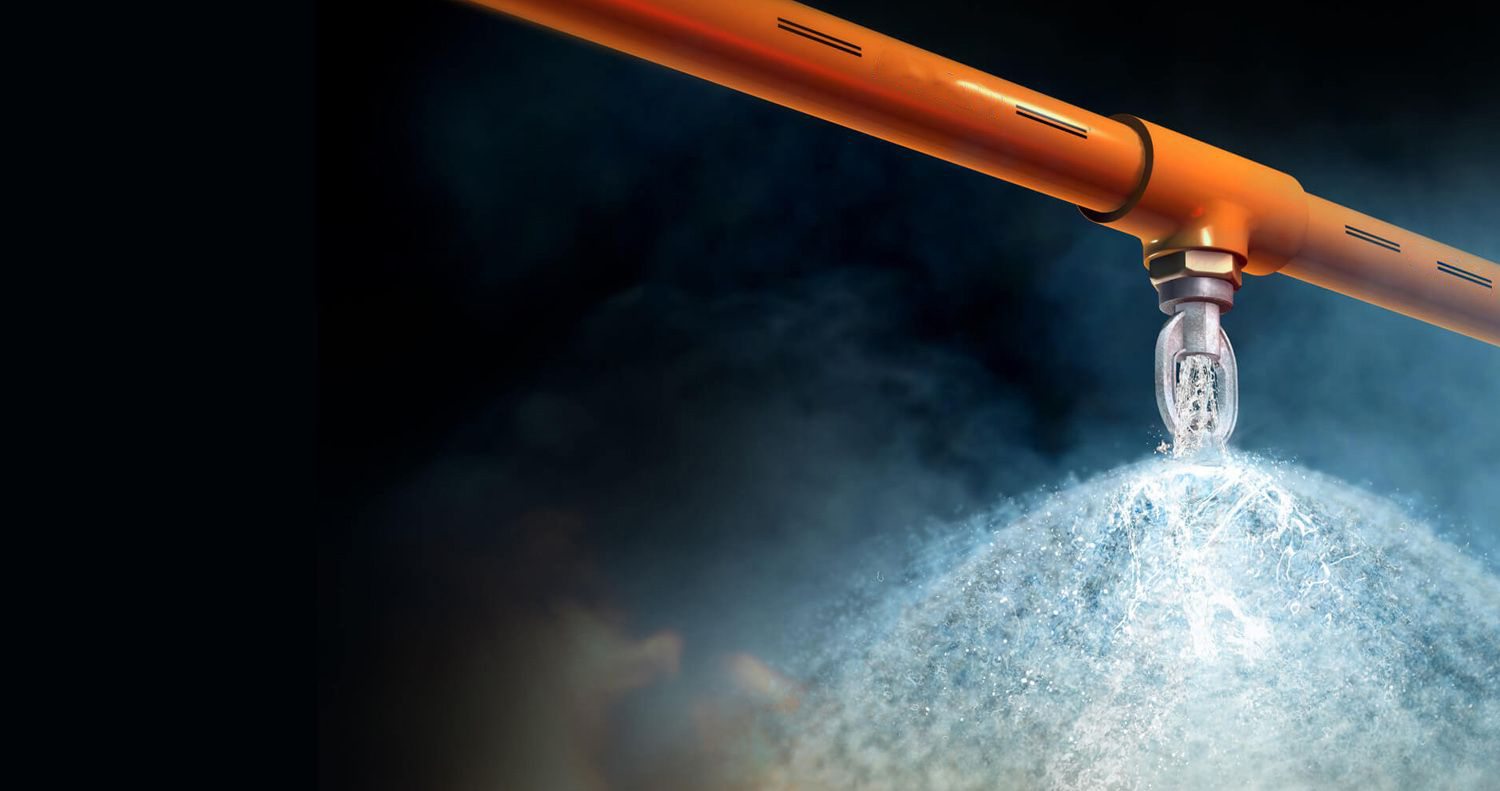
The advantages of CPVC are not only reflected in its environmental performance but also in its competitive strength in application fields. Due to its excellent resistance to high temperatures, corrosion, and pressure, CPVC is widely used in environments requiring high pressure, strong corrosiveness, and strong stability, such as communications, fire protection sprinkler systems, and medical applications. It not only enhances the safety and reliability of equipment but also promotes the green development of these industries.
Das könnte Sie interessieren
New Product Teaser|Entering the Era of “Stability Competition” in Engineering Plastics, a True Montan Wax Replacement Solution Has Arrived
2026 / 04 / 20
Rallychem Advanced Materials ── From Material Behavior to Process-Controlled Performance
2026 / 04 / 16
PE-Wachs vs. oxidiertes PE-Wachs: Vergleich der Schmierungsleistung bei der PVC-Rohrverarbeitung
2026 / 04 / 06
Warum brauchen technische Kunststoffe ein “spezielles Wachs”? Eine technische Einführung in Rallychem Synthetic Polyester Wax
2026 / 04 / 02
Ein Leitfaden für die Schmierung und Härtung von PVC-Rohren: Das perfekte Gleichgewicht zwischen Kosten und Leistung für eine effiziente, stabile Extrusion
2026 / 03 / 19




Für Anfragen bitte anrufen
Rallychem wird Ihnen gerne behilflich sein!
+86 13456396233





 Englisch
 Spanisch
 Französisch
 Japanisch
 Koreanisch
 Arabisch
 Persisch
 Deutsch
 Italienisch
 Vietnamesisch
 Thailändisch
 Russisch
 Indonesisch
 Malaiisch
 Türkisch


