Differences Between Solid and Liquid Phase Processes in CPVC Resin Production
Chlorinated Polyvinyl Chloride (CPVC) resin, known for its exceptional physical and chemical properties, is becoming increasingly important in the plastics industry. This article presents an in-depth analysis of the two main methods of CPVC resin production: Solid Phase Process and Liquid Phase Process, highlighting their advantages and disadvantages in terms of product performance, cost, and production stability.
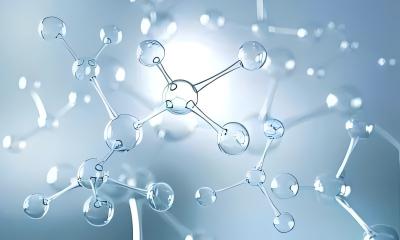
The Solid Phase process is an advanced production technique that involves placing PVC resin in a fluidized bed and subjecting it to a chlorination reaction under the catalytic effect of ultraviolet light, efficiently converting it into CPVC resin. The advantages of this method include lower corrosiveness to equipment, higher product purity, and the ability to produce CPVC resin with a chlorine content exceeding 68%.
In the Solid Phase process, temperature control is a critical factor. Fluctuations in temperature may lead to resin agglomeration and color variation, which not only reduce the product’s appearance quality but may also affect its performance stability.
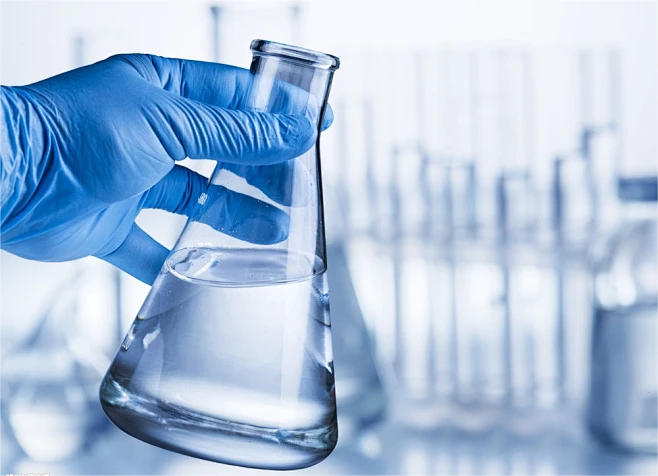
The Liquid Phase process involves suspending powdered PVC resin in water and carrying out a chlorination reaction with the aid of additives. The Liquid Phase process is favored by the majority of CPVC resin manufacturers due to its simplicity, cost-effectiveness, and ease of color control.
CPVC resin produced by the Liquid Phase process typically has a lower chlorine content than that produced by the Solid Phase process. Generally, the chlorine content of CPVC resin obtained by the Liquid Phase process ranges from 64% to 67%. However, some leading international companies have managed to increase the chlorine content to over 70% by adopting more advanced Liquid Phase processes, although this usually entails higher production costs.
The production process of CPVC resin not only determines its performance but also relates to production costs and market competitiveness.
Rallychem Chemical ha una vasta esperienza nella produzione di tubi in CPVC, specializzata nella riduzione dei costi di produzione iniziali per i nostri clienti. Siamo in grado di affrontare sfide come la carbonizzazione, la gamma di lavorazione limitata, la tenacità insufficiente, la lucentezza inadeguata e i costi elevati. Le nostre soluzioni complete per i prodotti in CPVC, dalla progettazione alla consegna, garantiscono un processo di produzione efficiente e senza interruzioni.
Per ulteriori informazioni, contattateci.
Potreste essere interessati
A Guide to PVC Pipe Lubrication and Toughening: Striking the Perfect Balance Between Cost and Performance for Efficient, Stable Extrusion
2026 / 03 / 19
2026 Market Trends: How Water Based Wax Emulsion is Powering Key Industries
2026 / 03 / 04
PVC Pipe & Profile Processing: Why Heat Stabilizers Are Essential—and Why Wax Additives Inside Stabilizer Packages Matter
2026 / 02 / 24
What Does “High Density” Mean in Oxidized Polyethylene Wax?
2026 / 02 / 17
How Polyethylene Wax Enhances Pigment Dispersion and Color Consistency in Masterbatch Production
2026 / 02 / 05




Per informazioni si prega di chiamare
Rallychem sarà lieta di assistervi!
+86 13456396233





 Inglese
 Spagnolo
 Francese
 Giapponese
 Coreano
 Arabo
Arabo Persiano
 Tedesco
 Italiano
 Vietnamita
 Thailandese
 Russo
Russo Indonesiano
 Malese
 Turco
Turco


