Why is it so difficult to reach 60% chlorine content in CPVC pipe and dry mix?
Why did the national standard lower the chlorine content of CPVC pipe and dry mix from 60% to 55%?
Why is it so difficult to reach 60% chlorine content in CPVC?
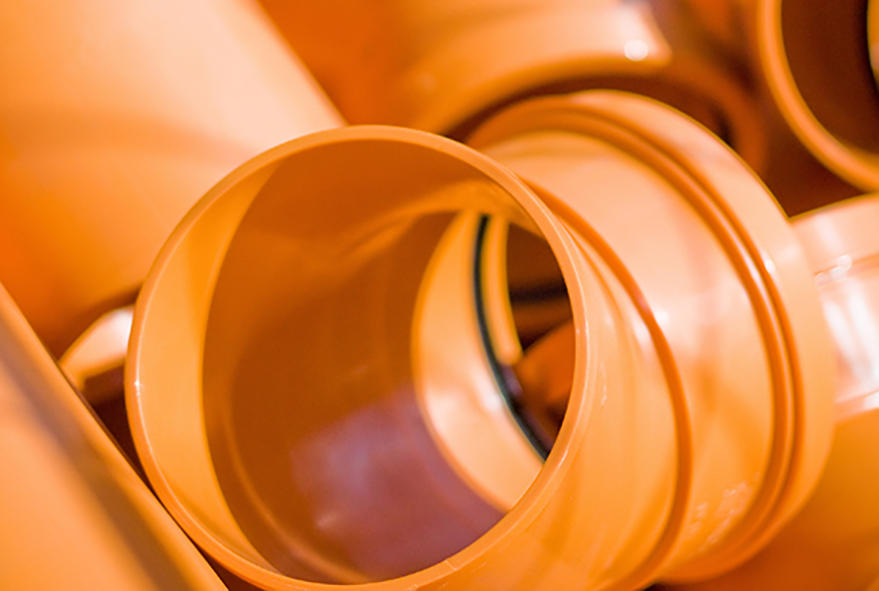
Selection of high-quality raw materials: liquid-phase CPVC resin chlorine content is usually between 64% and 67%, which is more common. Solid-phase CPVC resin chlorine content can be more than 68%, but the color control is more difficult.
Application of efficient additives: Choose additives with small amount and high efficiency to reduce the dilution of chlorine content.
Innovative formulation ideas: Abandon the traditional PVC formulation mode, reduce the use of non-essential ingredients under the premise of ensuring processing convenience, so as to improve the overall chlorine content level.
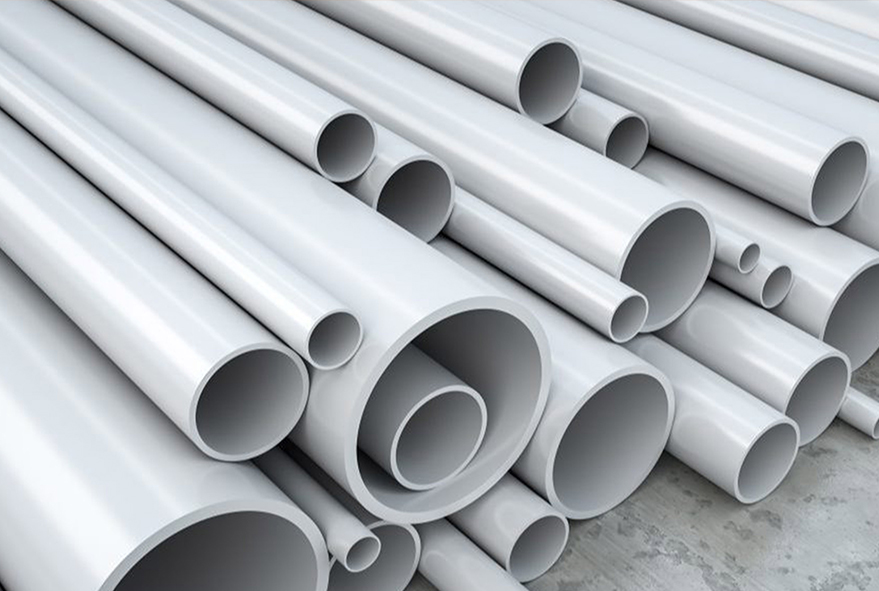
Rallychem Chemical’s polyester wax and polyester homopolymer formulations are highly effective additives for CPVC production, providing excellent performance at lower usage levels, thereby reducing costs.
The use of polyester waxes and polyester homopolymers stabilizes the chlorine content of CPVC products at 58-59%, approaching 60%. In addition, we provide one-stop service to help customers reduce the need for production testing and adjustments, and provide them with efficient and economical production formulations and solutions.
Potreste essere interessati
A Guide to PVC Pipe Lubrication and Toughening: Striking the Perfect Balance Between Cost and Performance for Efficient, Stable Extrusion
2026 / 03 / 19
2026 Market Trends: How Water Based Wax Emulsion is Powering Key Industries
2026 / 03 / 04
PVC Pipe & Profile Processing: Why Heat Stabilizers Are Essential—and Why Wax Additives Inside Stabilizer Packages Matter
2026 / 02 / 24
What Does “High Density” Mean in Oxidized Polyethylene Wax?
2026 / 02 / 17
How Polyethylene Wax Enhances Pigment Dispersion and Color Consistency in Masterbatch Production
2026 / 02 / 05




Per informazioni si prega di chiamare
Rallychem sarà lieta di assistervi!
+86 13456396233





 Inglese
 Spagnolo
 Francese
 Giapponese
 Coreano
 Arabo
Arabo Persiano
 Tedesco
 Italiano
 Vietnamita
 Thailandese
 Russo
Russo Indonesiano
 Malese
 Turco
Turco


