

PVC 윤활유란 무엇이며 PVC 가공에 필수적인 이유는 무엇입니까?
파이프, 창문 프로파일 또는 기타 플라스틱 제품을 만드는 등 PVC로 작업하는 사람이라면 PVC 윤활제에 대해 들어보셨을 것입니다. 하지만 이것은 엔진이나 경첩에 사용하는 윤활제가 아닙니다. 플라스틱 제조 분야에서 PVC 윤활제는 PVC 소재를 더 쉽고 효율적으로 가공할 수 있게 해주는 특수 첨가제입니다. 이 첨가제가 없으면 고품질의 PVC 제품을 생산하는 것이 훨씬 더 어렵고 느리며 비용이 많이 듭니다.
그렇다면 PVC 윤활제는 정확히 무엇이며 PVC 가공 워크플로에 왜 그렇게 중요한 것일까요? 아래에서 윤활유의 기본적인 역할과 실질적인 중요성에 대해 자세히 살펴봅니다.

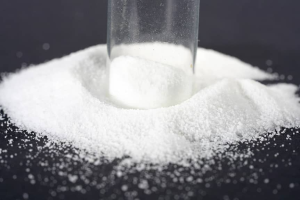
PVC 윤활제는 일반적으로 왁스 화학을 기반으로 하는 가공 보조제로, 저용량으로 PVC 제형에 통합됩니다. 주요 기능은 용융 및 성형 시 마찰을 줄여 원활한 흐름과 보다 제어된 가공 동작을 가능하게 하는 것입니다.
다양한 윤활유 유형 중에서 산화 폴리에틸렌 왁스는 균형 잡힌 극성과 제어된 산화 수준으로 인해 기계적 특성이나 외관을 손상시키지 않고 PVC 시스템 내에서 효과적으로 작동할 수 있어 널리 사용됩니다.
기존의 오일이나 그리스와 달리 PVC 윤활제는 PVC 수지 매트릭스와의 호환성을 유지하면서 폴리머 가공의 고온과 전단력을 견딜 수 있도록 특별히 설계되었습니다.
다재다능함에도 불구하고 PVC는 열에 민감하고 용융 시 유변학적인 거동으로 인해 몇 가지 처리 문제를 안고 있습니다. 일반적인 문제는 다음과 같습니다:
압출 또는 성형 중 내부 저항이 높아지면 과도한 전단 열이 발생하여 열 성능 저하의 위험이 높아질 수 있습니다.
녹은 PVC는 나사, 배럴, 금형에 달라붙어 자재 축적, 표면 결함, 예기치 않은 가동 중단을 초래하는 경향이 있습니다.
PVC는 제한된 온도 범위 내에서 효과적으로 처리되기 때문에 융합과 흐름 안정성의 균형을 맞추기가 어렵습니다.
윤활이 충분하지 않으면 표면이 거칠어지거나 흐름 자국이 생기거나 모양이 일정하지 않을 수 있습니다.
마찰과 열 전달의 변화는 종종 불안정한 생산 속도와 고르지 못한 제품 품질로 이어집니다.
산화 폴리에틸렌 왁스를 PVC 제형에 통합하면 내부 및 외부 윤활 메커니즘의 조합을 통해 가공 안정성을 향상시킬 수 있습니다.
OPE 왁스는 PVC 용융물과 부분적으로 상호 작용하여 내부 마찰을 줄이고 균일한 융착 거동을 지원합니다. 동시에 금속 인터페이스로 이동하여 접착력을 최소화하고 재료 흐름을 원활하게 하는 얇은 이형층을 형성합니다.
윤활유는 금속-폴리머 계면에서의 방출 특성을 개선하여 잔여물 축적을 줄이고, 생산 가동 시간을 연장하며, 장비 서비스 주기를 연장하는 데 도움이 됩니다.
보다 안정적인 용융 흐름과 제어된 마찰은 더 매끄럽고 균일한 표면을 제공하여 완성된 PVC 제품의 기능적 성능과 시각적 품질을 모두 지원합니다.
윤활유는 용융 유변학을 안정화하여 온도 및 스크류 속도 설정의 유연성을 높이고 사소한 공정 변동에 대한 민감도를 낮추는 데 도움이 됩니다.
일관된 윤활은 안정적인 생산 속도, 스크랩 수준 감소, 보다 효율적인 에너지 활용을 지원합니다.
윤활유 성능은 제형과 가공 조건에 따라 크게 달라질 수 있습니다. 산화 폴리에틸렌 왁스를 선택할 때 제조업체는 일반적으로 다음 사항을 고려합니다:
신뢰할 수 있는 윤활유 공급업체를 선택하는 것은 일관된 PVC 가공 성능을 달성하는 데 중요한 부분입니다.
애플리케이션 지향 제품 설계
랠리켐은 파이프, 프로파일, 시트 및 관련 응용 분야 전반에 걸쳐 PVC 가공을 지원하도록 설계된 다양한 산화 폴리에틸렌 왁스 등급을 제공합니다. 제품은 안정적인 가공과 표면 품질을 달성할 수 있도록 산화 수준과 입자 특성을 제어하여 개발되었습니다.
기술 지원 및 공급 안정성
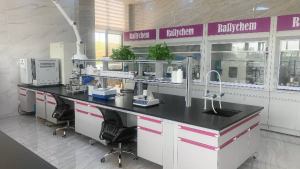
랠리캠은 전담 R&D 및 기술 서비스 팀을 통해 제형 안내, 공정 최적화, 지속적인 기술 상담을 통해 고객을 지원합니다. 안정적인 생산 능력은 장기적인 제조 요구 사항에 대한 안정적인 공급을 보장합니다.
여기에서 파이프 및 프로파일용 PVC 윤활유 솔루션에 대해 자세히 알아볼 수 있습니다:
PVC 윤활제, 특히 산화 폴리에틸렌 왁스는 플라스틱 제조에서 근본적으로 과소평가된 역할을 합니다. 마찰, 열, 점착 문제를 정면으로 해결하여 일상적인 PVC 제품을 더 부드럽고 빠르며 안정적으로 생산할 수 있게 해줍니다. PVC 가공과 관련된 모든 비즈니스에서 올바른 윤활유를 사용하는 것은 선택 사항이 아니라 더 나은 품질과 수익성을 위한 필수 단계입니다.
업계 초보자든 숙련된 구매자이든 PVC 윤활유의 역할을 이해하면 생산 라인에 대한 더 현명한 결정을 내리는 데 도움이 될 수 있습니다. 최적의 공정 성능 보장은 신뢰할 수 있는 공급망에서 시작됩니다. 가장 까다로운 요구사항을 충족하도록 정밀하게 설계된 고성능 윤활유 솔루션은 랠리캠을 선택하세요.
랠리켐 | 더 스마트한 표면 성능을 위한 혁신적인 왁스 및 CPVC 솔루션
관심을 가질 만한 내용
PVC Pipe & Profile Processing: Why Heat Stabilizers Are Essential—and Why Wax Additives Inside Stabilizer Packages Matter
2026 / 02 / 24
What Does “High Density” Mean in Oxidized Polyethylene Wax?
2026 / 02 / 17
How Polyethylene Wax Enhances Pigment Dispersion and Color Consistency in Masterbatch Production
2026 / 02 / 05
Cost Optimization in PVC Processing: Using Targeted Polyester Wax to Partially Replace Stearic Acid and Paraffin Wax
2026 / 02 / 04
Engineering Plastics Lubrication: Why Polyester Wax is the Montan Wax Alternative
2026 / 01 / 23


 영어
영어 스페인어
스페인어 프랑스어
프랑스어 일본어
일본어 한국어
한국어 아랍어
아랍어 페르시아어
페르시아어 독일어
독일어 이탈리아어
이탈리아어 베트남어
베트남어 Thai
Thai 러시아어
러시아어 인도네시아어
 말레이어
말레이어 터키어
터키어