

CPVC Pipes: A Sustainable Choice
With global climate change and increasingly scarce resources, sustainable development has become a global consensus. CPVC pipes, as an environmentally friendly, energy-saving, and efficient material, are gradually becoming an important force in promoting this process.
CPVC (Chlorinated Polyvinyl Chloride) is a thermoplastic plastic derived from polyvinyl chloride (PVC) resin through chlorination. Its molecules are further chlorinated modifications of polyvinyl chloride (PVC). In terms of weight, two-thirds of CPVC resin comes from salt extracted from seawater (brine), which is one of the most abundant resources on Earth. Only about one-third of the resin comes from petroleum resources.
From a macro perspective, plastics account for only 3% of the consumption of fossil fuels such as oil, coal, and natural gas, and chlorinated polyvinyl chloride is made from by-products of oil refining.
Due to its low petroleum content, the energy consumption required for CPVC production is lower than that of other plastic materials. As shown in the figure below
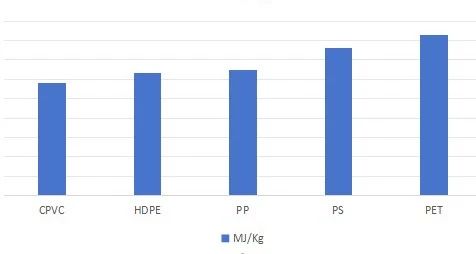
Because CPVC is a thermoplastic plastic, the cost of transportation can also be greatly reduced compared to the costs generated by copper pipes/steel pipes/stainless steel pipes, after all, energy consumption and costs are complementary.
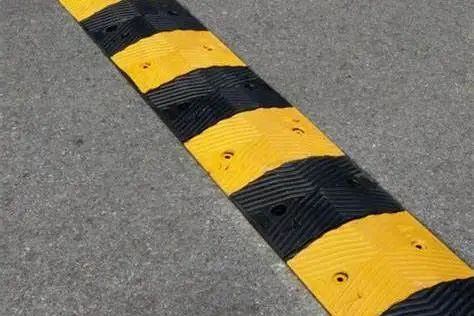
In terms of recycling and recyclability, CPVC pipes can be recycled both in the manufacturing process and in the after-sales market. Discarded CPVC pipes can be reground into microparticles and pellets by professional recycling companies for the production of floor fillers, coatings, cable troughs, and other products, significantly reducing resource waste and environmental pollution. In some European countries and regions, professional recycling companies (specific regions and countries) will go to construction sites to collect pipe materials and reground them into microparticles and pellets, which can be used in floor fillers, floor coatings, cable troughs, speed bumps, and car mats, among other products.
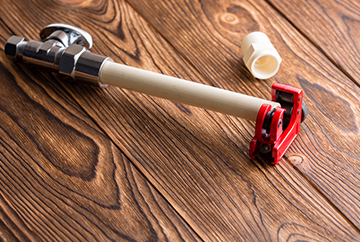
Pipes used in long-term transportation environments are highly susceptible to the formation of biofilms due to contact with microorganisms that adhere to their surfaces. The smooth surface and inner walls of CPVC pipes effectively inhibit the growth of microorganisms. This characteristic gives CPVC pipes a unique advantage in potable water transportation systems, ensuring the cleanliness and safety of water quality. Additionally, the antimicrobial properties also reduce frictional pressure losses in fluid flow, enhancing the operational efficiency of the pipeline system.
Rallychem Chemical’s R&D team is continuously exploring CPVC production processes and modification technologies, committed to making CPVC production formulas more stable and efficient, and making the resolution of practical problems in the production process easier, constantly progressing and investigating.
관심을 가질 만한 내용
A Guide to PVC Pipe Lubrication and Toughening: Striking the Perfect Balance Between Cost and Performance for Efficient, Stable Extrusion
2026 / 03 / 19
2026 Market Trends: How Water Based Wax Emulsion is Powering Key Industries
2026 / 03 / 04
PVC Pipe & Profile Processing: Why Heat Stabilizers Are Essential—and Why Wax Additives Inside Stabilizer Packages Matter
2026 / 02 / 24
What Does “High Density” Mean in Oxidized Polyethylene Wax?
2026 / 02 / 17
How Polyethylene Wax Enhances Pigment Dispersion and Color Consistency in Masterbatch Production
2026 / 02 / 05


 영어
영어 스페인어
스페인어 프랑스어
프랑스어 일본어
일본어 한국어
한국어 아랍어
아랍어 페르시아어
페르시아어 독일어
독일어 이탈리아어
이탈리아어 베트남어
베트남어 Thai
Thai 러시아어
러시아어 인도네시아어
 말레이어
말레이어 터키어
터키어