

Differences Between Solid and Liquid Phase Processes in CPVC Resin Production
Chlorinated Polyvinyl Chloride (CPVC) resin, known for its exceptional physical and chemical properties, is becoming increasingly important in the plastics industry. This article presents an in-depth analysis of the two main methods of CPVC resin production: Solid Phase Process and Liquid Phase Process, highlighting their advantages and disadvantages in terms of product performance, cost, and production stability.

The Solid Phase process is an advanced production technique that involves placing PVC resin in a fluidized bed and subjecting it to a chlorination reaction under the catalytic effect of ultraviolet light, efficiently converting it into CPVC resin. The advantages of this method include lower corrosiveness to equipment, higher product purity, and the ability to produce CPVC resin with a chlorine content exceeding 68%.
In the Solid Phase process, temperature control is a critical factor. Fluctuations in temperature may lead to resin agglomeration and color variation, which not only reduce the product’s appearance quality but may also affect its performance stability.
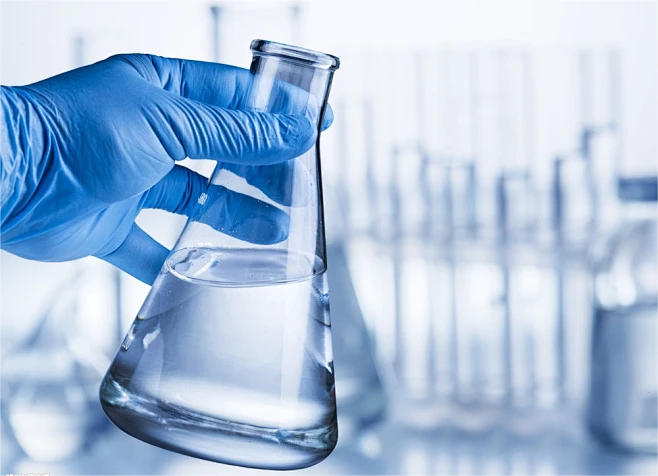
The Liquid Phase process involves suspending powdered PVC resin in water and carrying out a chlorination reaction with the aid of additives. The Liquid Phase process is favored by the majority of CPVC resin manufacturers due to its simplicity, cost-effectiveness, and ease of color control.
CPVC resin produced by the Liquid Phase process typically has a lower chlorine content than that produced by the Solid Phase process. Generally, the chlorine content of CPVC resin obtained by the Liquid Phase process ranges from 64% to 67%. However, some leading international companies have managed to increase the chlorine content to over 70% by adopting more advanced Liquid Phase processes, although this usually entails higher production costs.
The production process of CPVC resin not only determines its performance but also relates to production costs and market competitiveness.
랠리켐 케미칼은 CPVC 파이프 생산에 대한 광범위한 경험을 보유하고 있으며, 고객의 초기 생산 비용을 절감하는 데 특화되어 있습니다. 탄화, 제한된 가공 범위, 불충분한 인성, 불충분한 광택, 높은 비용과 같은 문제를 해결하는 데 탁월합니다. 설계부터 배송까지 원스톱으로 제공되는 당사의 CPVC 제품 솔루션은 원활하고 효율적인 제조 공정을 보장합니다.
자세한 내용은 문의해 주세요.
관심을 가질 만한 내용
A Guide to PVC Pipe Lubrication and Toughening: Striking the Perfect Balance Between Cost and Performance for Efficient, Stable Extrusion
2026 / 03 / 19
2026 Market Trends: How Water Based Wax Emulsion is Powering Key Industries
2026 / 03 / 04
PVC Pipe & Profile Processing: Why Heat Stabilizers Are Essential—and Why Wax Additives Inside Stabilizer Packages Matter
2026 / 02 / 24
What Does “High Density” Mean in Oxidized Polyethylene Wax?
2026 / 02 / 17
How Polyethylene Wax Enhances Pigment Dispersion and Color Consistency in Masterbatch Production
2026 / 02 / 05


 영어
영어 스페인어
스페인어 프랑스어
프랑스어 일본어
일본어 한국어
한국어 아랍어
아랍어 페르시아어
페르시아어 독일어
독일어 이탈리아어
이탈리아어 베트남어
베트남어 Thai
Thai 러시아어
러시아어 인도네시아어
 말레이어
말레이어 터키어
터키어