What Does the Chlorine Content in CPVC Represent?
In the field of plastic materials, CPVC resin is renowned for its high chlorine content, typically ranging from 63% to 74%, which significantly exceeds the 56% to 59% of PVC resin. Understanding the impact of chlorine content on the performance of CPVC can assist us in making more informed decisions in material selection and practical applications.
A higher chlorine content implies superior heat resistance, chemical corrosion resistance, and mechanical properties, characteristics that make CPVC a potential engineering plastic. For instance, in applications such as hot and cold water pipes for water supply, industrial pipes for transporting corrosive liquids, and building fire-fighting pipes that require temperature resistance, CPVC is becoming a popular choice in these fields.
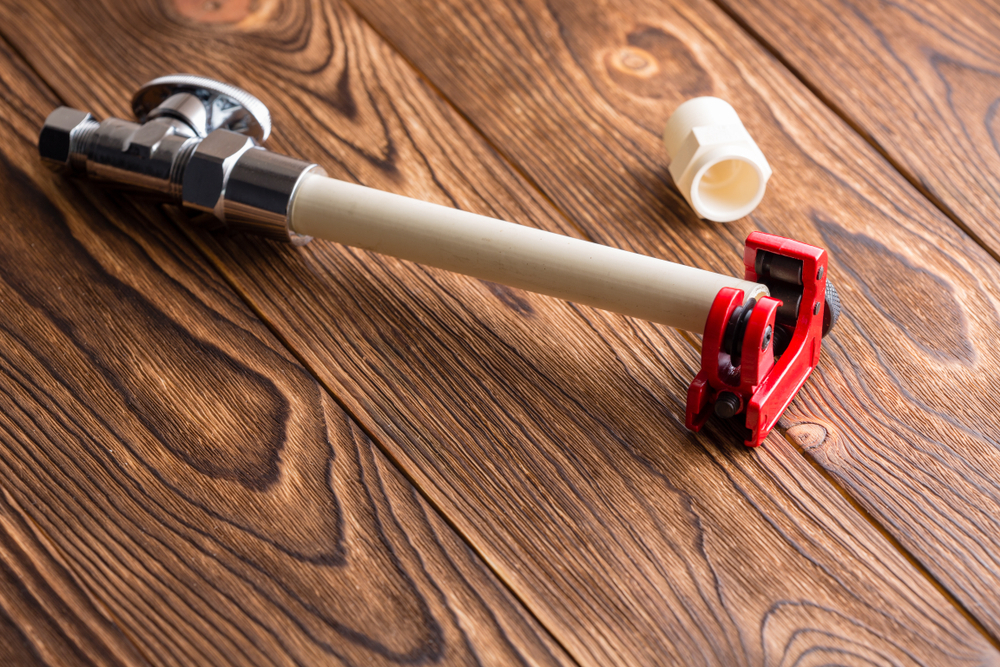
The increase in chlorine content is directly related to the Vicat softening point and mechanical strength of CPVC. National standards stipulate that the chlorine content in CPVC formulations and pipe products must be above 55%, with fire protection pipes reaching 60%, to ensure their stability in harsh environments.
Although CPVC with a high chlorine content has better performance, the chlorine content is not always the higher the better. Resins with high chlorine content have greater viscosity, higher equipment configuration requirements, are more difficult to process, and are more costly. Generally, the chlorine content of CPVC dry blend materials is between 55% and 60%. In practical applications, we need to find a balance between performance and cost, making appropriate selections based on the application scenario and cost-effectiveness.
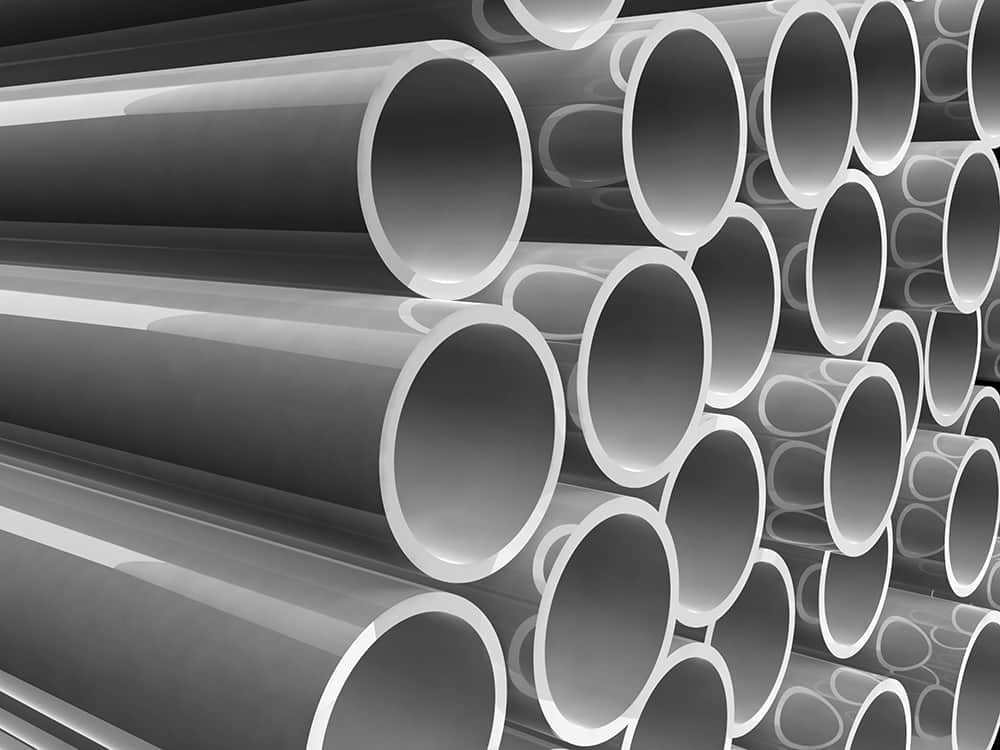
Rallychem Chemical มีประสบการณ์อย่างกว้างขวางในการผลิตท่อ CPVC โดยเชี่ยวชาญในการลดต้นทุนการผลิตเริ่มต้นให้กับลูกค้าของเรา เราโดดเด่นในการแก้ไขปัญหาต่างๆ เช่น การเกิดรอยไหม้ ช่วงการแปรรูปที่จำกัด ความเหนียวไม่เพียงพอ ความเงาไม่เพียงพอ และต้นทุนที่สูง โซลูชันผลิตภัณฑ์ CPVC แบบครบวงจรของเรา ตั้งแต่การออกแบบจนถึงการจัดส่ง ช่วยให้มั่นใจในกระบวนการผลิตที่ราบรื่นและมีประสิทธิภาพ.
หากต้องการข้อมูลเพิ่มเติม กรุณาติดต่อเรา.
คุณอาจสนใจ
A Guide to PVC Pipe Lubrication and Toughening: Striking the Perfect Balance Between Cost and Performance for Efficient, Stable Extrusion
2026 / 03 / 19
2026 Market Trends: How Water Based Wax Emulsion is Powering Key Industries
2026 / 03 / 04
PVC Pipe & Profile Processing: Why Heat Stabilizers Are Essential—and Why Wax Additives Inside Stabilizer Packages Matter
2026 / 02 / 24
What Does “High Density” Mean in Oxidized Polyethylene Wax?
2026 / 02 / 17
How Polyethylene Wax Enhances Pigment Dispersion and Color Consistency in Masterbatch Production
2026 / 02 / 05




หากต้องการสอบถาม กรุณาโทร
Rallychem ยินดีให้ความช่วยเหลือคุณ!
+86 13456396233





 อังกฤษ, ภาษาอังกฤษ
 สเปน
สเปน ฝรั่งเศส
 ญี่ปุ่น
 เกาหลี
 ภาษาอาหรับ
 เปอร์เซีย
 เยอรมัน
 อิตาลี
 เวียดนาม
 ไทย (Thai)
 รัสเซีย
 อินโดนีเซีย
 มาเลย์
 ตุรกี
ตุรกี


