In the production of PVC products, selecting the appropriate lubricant is of paramount importance. Research from the University of South Africa, utilizing Scanning Electron Microscopy, has shed light on the differences in the micro-level effects of two common lubricants: Oxidized Polyethylene wax and Polyethylene wax.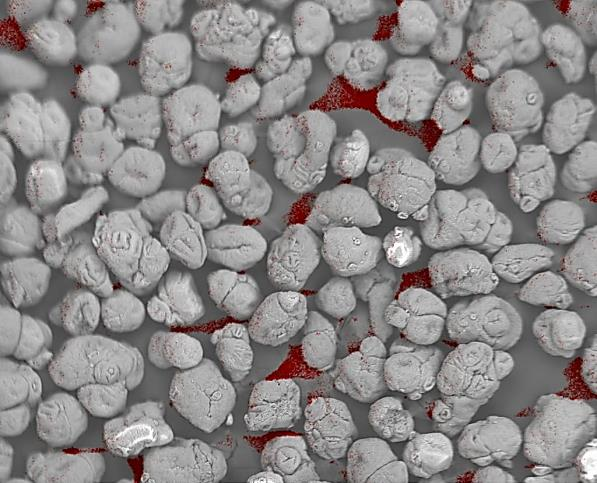
Firstly, let’s explore the function of PE wax. As a non-polar substance, it is primarily used as an external lubricant because of its non-polarity, which allows it to operate effectively between PVC particles. It delays the plasticization process, preventing the resin from adhering to processing equipment. This characteristic is crucial for maintaining the smoothness of the processing operation, similar to the performance of Fischer-Tropsch wax.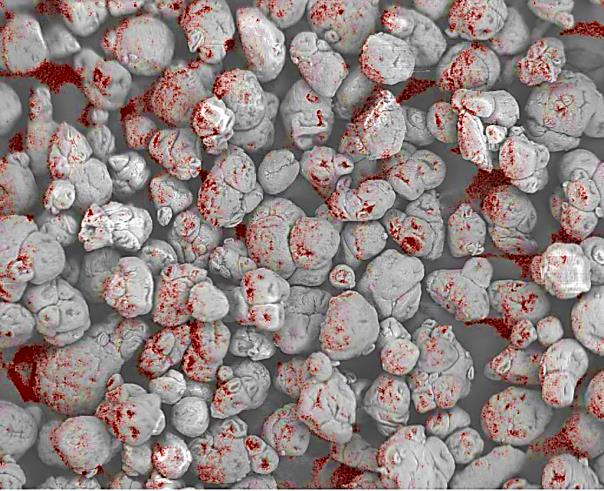
Conversely, the polar nature of OPE wax enables it to bond with PVC resin, forming a uniform lubricating film that serves as an internal lubricant. Even under the shear applied during processing, it maintains stability and contributes to improved plasticization efficiency, which significantly enhances overall production efficiency. In the production of highly filled PVC products, the incorporation of OPE wax can effectively extend the service life of the screw, reducing maintenance costs.
It ensures smooth product demolding in the final stages of processing, which significantly reduces the waste rate. This is crucial for improving production efficiency and reducing costs.
In practical applications, the strategic selection of the appropriate type of wax, aligned with the specific requirements and production conditions of PVC products, can facilitate the optimization of formulations. This refined approach ensures a more efficient and cost-effective manufacturing process.
Quizá le interese
New Product Teaser|Entering the Era of “Stability Competition” in Engineering Plastics, a True Montan Wax Replacement Solution Has Arrived
2026 / 04 / 20
Rallychem Advanced Materials ── From Material Behavior to Process-Controlled Performance
2026 / 04 / 16
Cera de PE frente a cera de PE oxidada: Comparación del rendimiento de la lubricación en el procesamiento de tuberías de PVC
2026 / 04 / 06
¿Por qué los plásticos técnicos necesitan una “cera especial”? Introducción técnica a la cera sintética de poliéster Rallychem
2026 / 04 / 02
Guía de lubricación y endurecimiento de tuberías de PVC: El equilibrio perfecto entre coste y rendimiento para una extrusión estable y eficaz
2026 / 03 / 19




Para más información, llame al
Rallychem estará encantado de ayudarle.
+86 13456396233





 Inglés
 Español
 Francés
 Japonés
 Coreano
 Árabe
Árabe Persa
Persa Alemán
 Italiano
 Vietnamita
 Tailandés
 Ruso
Ruso Indonesia
 Malayo
 Turco
Turco


