In today’s pursuit of a high-quality lifestyle, green and environmental protection have become crucial considerations. Water, being the source of life, makes the selection of transportation pipes particularly critical. CPVC pipes, with their outstanding performance, have become the ideal choice for cold and hot water applications in an increasing number of regions.
CPVC is an upgrade of PVC through chlorination, which significantly enhances the irregularity of PVC resin molecular bonds and the polarity of molecules. One notable performance improvement is the increased hardness of CPVC, greatly enhancing the service life of the pipes and ensuring better performance in both cold and hot water environments.
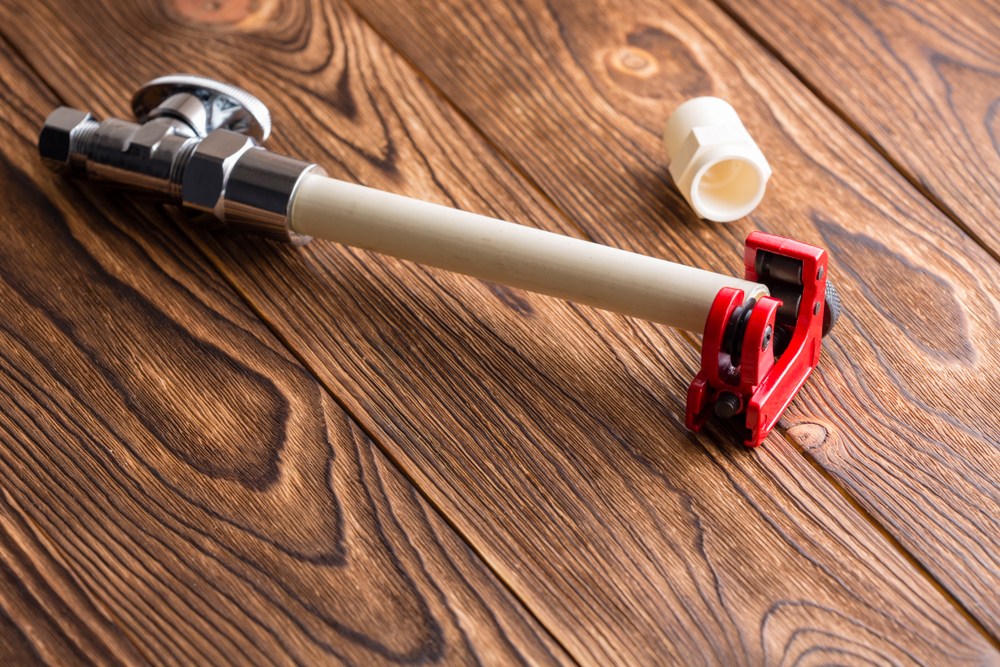
Compared to galvanized pipes/PPR pipes, CPVC pipes exhibit strong resistance to many special environments, whether it’s to acid, alkali, or salt and other chemical substances. For water sources with poor quality or containing special chemical substances, the corrosion resistance of CPVC pipes is far superior to that of galvanized pipes, effectively avoiding corrosion caused by environmental changes, thus preventing leakage, rupture, and other issues.
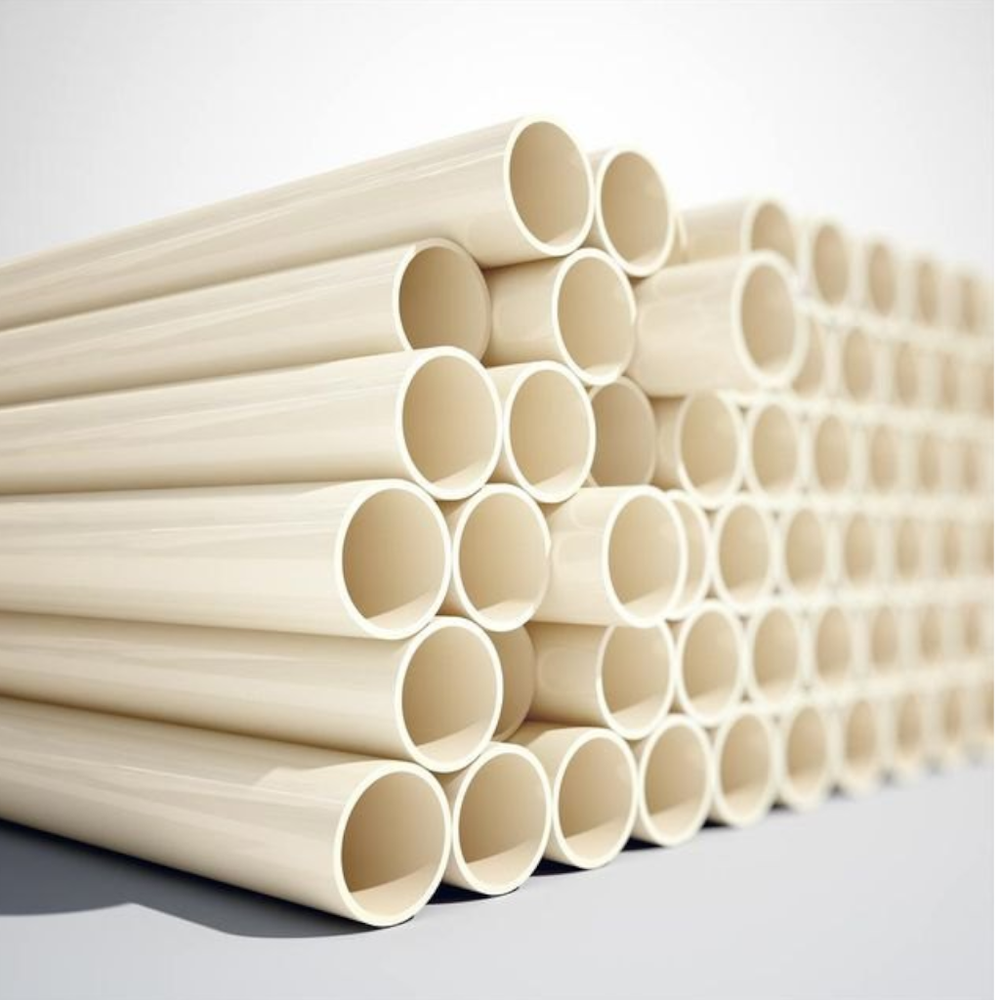
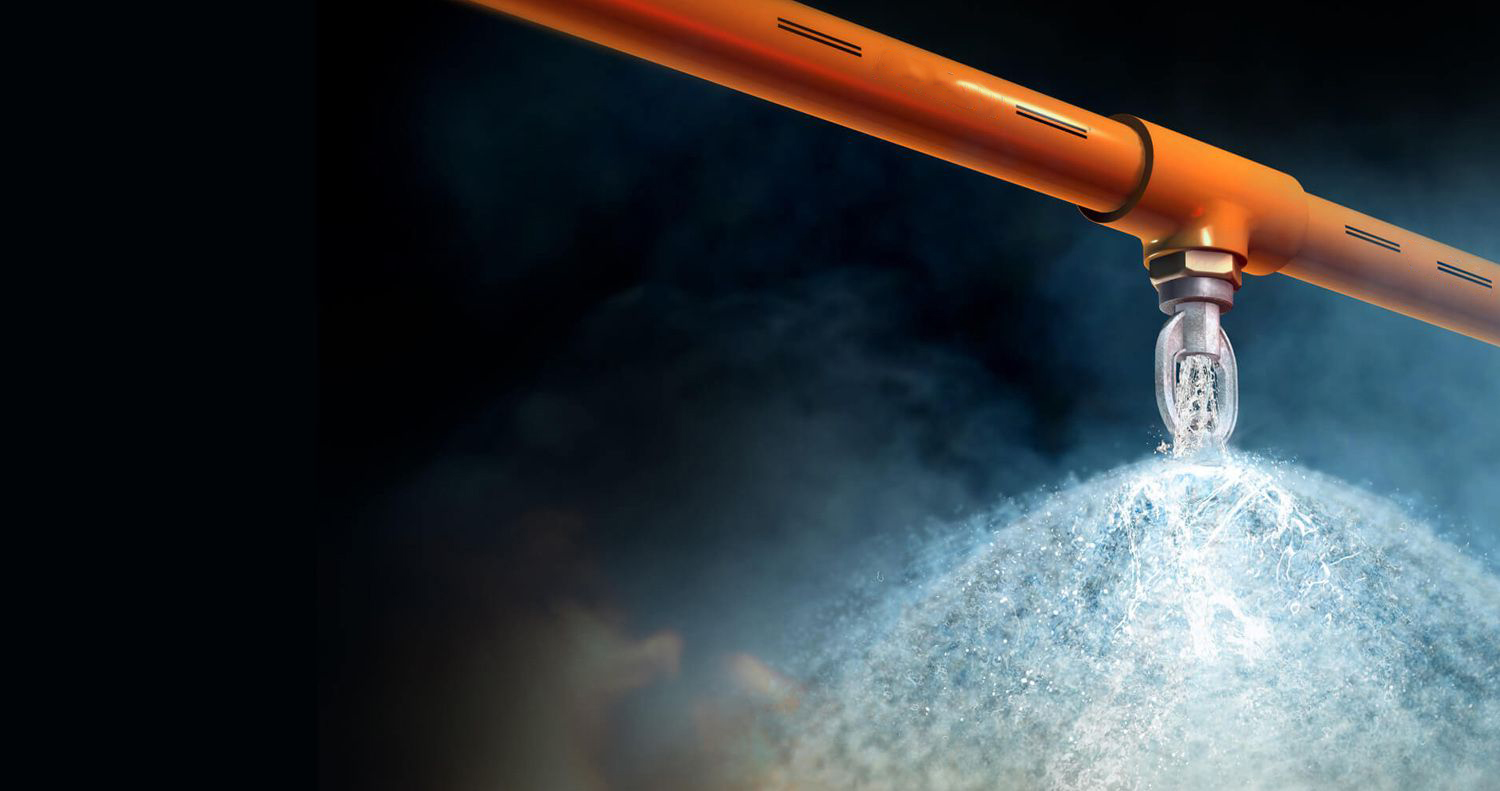
During the transportation of cold and hot water, CPVC pipes are not affected by water temperature or pressure. They maintain stable operation in high-rise water pressure and fire sprinkler systems, whether in the cold of winter or the heat of summer. CPVC pipes are easy to install, less prone to faults and damage during use, have a long service life, and low replacement frequency, significantly reducing maintenance costs.
CPVC pipes strictly control the raw materials, design, production, and other environments, showing excellent performance in hardness, acid-alkali resistance, corrosion resistance, and pressure resistance, making them increasingly used in regions for cold and hot water pipes.
Quizá le interese
New Product Teaser|Entering the Era of “Stability Competition” in Engineering Plastics, a True Montan Wax Replacement Solution Has Arrived
2026 / 04 / 20
Rallychem Advanced Materials ── From Material Behavior to Process-Controlled Performance
2026 / 04 / 16
Cera de PE frente a cera de PE oxidada: Comparación del rendimiento de la lubricación en el procesamiento de tuberías de PVC
2026 / 04 / 06
¿Por qué los plásticos técnicos necesitan una “cera especial”? Introducción técnica a la cera sintética de poliéster Rallychem
2026 / 04 / 02
Guía de lubricación y endurecimiento de tuberías de PVC: El equilibrio perfecto entre coste y rendimiento para una extrusión estable y eficaz
2026 / 03 / 19




Para más información, llame al
Rallychem estará encantado de ayudarle.
+86 13456396233





 Inglés
 Español
 Francés
 Japonés
 Coreano
 Árabe
Árabe Persa
Persa Alemán
 Italiano
 Vietnamita
 Tailandés
 Ruso
Ruso Indonesia
 Malayo
 Turco
Turco


