Engineering Plastics Lubrication: Why Polyester Wax is the Montan Wax Alternative
Engineering plastics such as TPU, PET, PA (Nylon), and PC are the backbone of modern industry due to their strength and thermal stability. However, processing these materials is a thermal challenge, often requiring temperatures exceeding 250°C.

Under these extreme conditions, standard lubricants like Paraffin Wax or regular PE Wax fail catastrophically—they smoke, degrade, and migrate, ruining surface finish.
Historically, Montan Wax has been the gold standard for these applications due to its high polarity and heat resistance. However, relying on a finite mineral resource comes with risks: soaring costs, supply shortages, and batch-to-batch inconsistencies.
This brings us to the modern solution: Synthetic Polyester Wax. It replicates the molecular structure of Montan Wax but eliminates its natural limitations.
Processing engineering plastics requires additives that can survive severe thermal stress inside an extruder.
Polyester wax has emerged as the premier high-performance lubricant for engineering plastics. Its ester-based structure provides inherent thermal stability, allowing it to withstand temperatures above 250°C with minimal weight loss.
Key Advantages Over Traditional Options:
It functions as a dual-action lubricant:
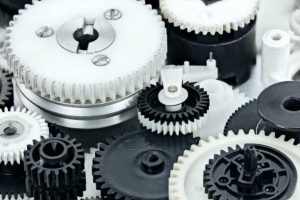
Rallychem’s RLWAX® RL-691A is engineered to be the definitive alternative to natural Montan waxes.
Technology & Composition
Utilizing Advanced Synthetic Ester Technology, RallyChem precisely replicates the long-chain ester structure found in premium natural waxes. Unlike mined products, this controlled synthesis guarantees a material free from unstable impurities.
Performance Breakthroughs:
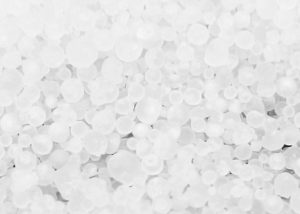
For high-temperature engineering plastics, the industry is shifting from finite mined resources to advanced synthetics.
Polyester wax (like RL-691A) offers the perfect synergy: it matches the high-performance standards of Montan wax while solving its supply volatility and cost challenges. By partnering with a specialized manufacturer like Rallychem, producers can achieve consistent quality, reduce downtime, and secure their formulations against raw material scarcity.
Rallychem | Innovating Polyester Wax Solutions for High-Temperature Engineering Plastics
You May Be Interested
2026 Market Trends: How Water Based Wax Emulsion is Powering Key Industries
2026 / 03 / 04
PVC Pipe & Profile Processing: Why Heat Stabilizers Are Essential—and Why Wax Additives Inside Stabilizer Packages Matter
2026 / 02 / 24
What Does “High Density” Mean in Oxidized Polyethylene Wax?
2026 / 02 / 17
How Polyethylene Wax Enhances Pigment Dispersion and Color Consistency in Masterbatch Production
2026 / 02 / 05
Cost Optimization in PVC Processing: Using Targeted Polyester Wax to Partially Replace Stearic Acid and Paraffin Wax
2026 / 02 / 04




For Inquiries Please Call
Rallychem Will Be Happy To Assist You!
+86 13456396233





 English
 Spanish
 French
 Japanese
 Korean
 Arabic
 Persian
 German
 Italian
 Vietnamese
 Thai
Thai Russian
 Indonesian
 Malay
Malay Turkish


