In the specification sheets for Oxidized Polyethylene (OPE) Wax, “density” is often just a number—typically ranging from 0.96 to 0.99 g/cm³. However, for formulators in coatings, inks, and PVC processing, this number tells a crucial story about molecular structure and performance potential.
Understanding the difference between High Density (HDOPE) and Low Density (LDOPE) waxes allows technical teams to predict wear resistance, thermal stability, and emulsification behavior before a trial even begins.
Density reflects how closely polymer chains pack together:
Important: Density is not the same as oxidation level. The “oxidized” part relates to the introduction of polar groups (often reflected by parameters such as acid value), which can improve wetting/adhesion in certain systems.

In coatings and printing inks, hardness is directly linked to density. HDOPE waxes form substantially harder particles than LDOPE or standard paraffin. When these particles migrate to the surface (or are dispersed within the film), they act as “spacers” or slip agents that deflect physical stress.
HDOPE waxes typically soften and melt at higher temperatures (often >130°C, depending on grade) compared to low-density variants.
Because the polymer chains are linear and tightly packed, the wax itself is less brittle than low-molecular-weight by-products but harder than LDPE waxes.
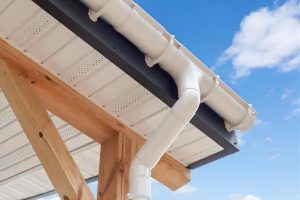

Rallychem offers a comprehensive range of high-density oxidized polyethylene wax grades with carefully controlled density, melting points, molecular weights, and oxidation levels. These parameters can be adjusted to optimize wear resistance, hardness, thermal stability, slip, and scratch resistance across different application systems, including plastics, coatings, and printing inks.
By balancing polarity and molecular structure, our high-density oxidized polyethylene wax solutions ensure excellent dispersion and stable surface performance without compromising processing efficiency. Our technical experts work closely with customers to customize solutions that meet exact production conditions and performance requirements.

“High Density” in Oxidized Polyethylene Wax translates directly to physical durability and thermal resilience. By selecting a high-density grade, manufacturers can improve scratch resistance in coatings and stability in PVC extrusion, achieving high performance even at low dosages.
Rallychem offers a specialized series of HDOPE waxes with controlled density and oxidation levels. Whether you need a high-acid number for emulsions or a high-hardness grade for coatings, we can help match the spec to your application.
Rallychem cordially invites you to visit us at CHINA INTERDYE 2026 and explore advanced wax solutions designed for modern manufacturing challenges.
Exhibition: CHINA INTERDYE 2026
Date: 15–17 April 2026
Booth No.: H2 C621
Location: Shanghai, China
Rallychem | High-Density Oxidized PE Wax for Durable Surface Performance
Potreste essere interessati
Cera PE vs. cera PE ossidata: Confronto delle prestazioni di lubrificazione nella lavorazione dei tubi in PVC
2026 / 04 / 06
Perché i tecnopolimeri hanno bisogno di una “cera speciale”? Introduzione tecnica alla cera poliestere sintetica Rallychem
2026 / 04 / 02
Guida alla lubrificazione e alla tempra dei tubi in PVC: Trovare il perfetto equilibrio tra costi e prestazioni per un'estrusione efficiente e stabile
2026 / 03 / 19
Tendenze del mercato 2026: Come l'emulsione di cera a base d'acqua sta alimentando le industrie chiave
2026 / 03 / 04
Lavorazione di tubi e profili in PVC: Perché gli stabilizzatori termici sono essenziali e perché gli additivi di cera all'interno delle confezioni di stabilizzatori sono importanti
2026 / 02 / 24




Per informazioni si prega di chiamare
Rallychem sarà lieta di assistervi!
+86 13456396233





 Inglese
 Spagnolo
 Francese
 Giapponese
 Coreano
 Arabo
Arabo Persiano
 Tedesco
 Italiano
 Vietnamita
 Thailandese
 Russo
Russo Indonesiano
 Malese
 Turco
Turco


