With global climate change and increasingly scarce resources, sustainable development has become a global consensus. CPVC pipes, as an environmentally friendly, energy-saving, and efficient material, are gradually becoming an important force in promoting this process.
CPVC (Chlorinated Polyvinyl Chloride) is a thermoplastic plastic derived from polyvinyl chloride (PVC) resin through chlorination. Its molecules are further chlorinated modifications of polyvinyl chloride (PVC). In terms of weight, two-thirds of CPVC resin comes from salt extracted from seawater (brine), which is one of the most abundant resources on Earth. Only about one-third of the resin comes from petroleum resources.
From a macro perspective, plastics account for only 3% of the consumption of fossil fuels such as oil, coal, and natural gas, and chlorinated polyvinyl chloride is made from by-products of oil refining.
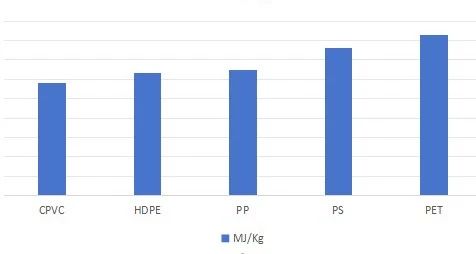
Due to its low petroleum content, the energy consumption required for CPVC production is lower than that of other plastic materials. As shown in the figure below
Because CPVC is a thermoplastic plastic, the cost of transportation can also be greatly reduced compared to the costs generated by copper pipes/steel pipes/stainless steel pipes, after all, energy consumption and costs are complementary.
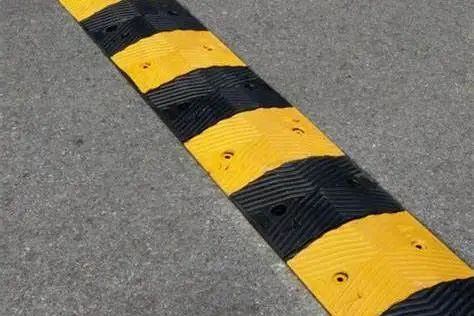
In terms of recycling and recyclability, CPVC pipes can be recycled both in the manufacturing process and in the after-sales market. Discarded CPVC pipes can be reground into microparticles and pellets by professional recycling companies for the production of floor fillers, coatings, cable troughs, and other products, significantly reducing resource waste and environmental pollution. In some European countries and regions, professional recycling companies (specific regions and countries) will go to construction sites to collect pipe materials and reground them into microparticles and pellets, which can be used in floor fillers, floor coatings, cable troughs, speed bumps, and car mats, among other products.
Pipes used in long-term transportation environments are highly susceptible to the formation of biofilms due to contact with microorganisms that adhere to their surfaces. The smooth surface and inner walls of CPVC pipes effectively inhibit the growth of microorganisms. This characteristic gives CPVC pipes a unique advantage in potable water transportation systems, ensuring the cleanliness and safety of water quality. Additionally, the antimicrobial properties also reduce frictional pressure losses in fluid flow, enhancing the operational efficiency of the pipeline system.
Rallychem Chemical’s R&D team is continuously exploring CPVC production processes and modification technologies, committed to making CPVC production formulas more stable and efficient, and making the resolution of practical problems in the production process easier, constantly progressing and investigating.
ご興味があるかもしれません
New Product Teaser|Entering the Era of “Stability Competition” in Engineering Plastics, a True Montan Wax Replacement Solution Has Arrived
2026 / 04 / 20
Rallychem Advanced Materials ── From Material Behavior to Process-Controlled Performance
2026 / 04 / 16
PEワックスと酸化PEワックスの比較:PVCパイプ加工における潤滑性能の比較
2026 / 04 / 06
なぜエンジニアリングプラスチックには「特殊ワックス」が必要なのか? ラリーケム合成ポリエステルワックスの技術紹介
2026 / 04 / 02
PVCパイプの潤滑と強化の手引き:効率的で安定した押出成形のために、コストと性能の完璧なバランスを取る
2026 / 03 / 19




 英語
英語 スペイン語
スペイン語 フランス語
フランス語 日本語
日本語 韓国語
韓国語 アラビア語
アラビア語 ペルシャ語
ペルシャ語 ドイツ語
ドイツ語 イタリア語
イタリア語 ベトナム語
ベトナム語 タイ
タイ ロシア語
ロシア語 インドネシア語
 マレー語
マレー語 トルコ語
トルコ語