CPVC và PVC, cả hai đều có nguồn gốc từ vinyl clorua, khác nhau đáng kể trong quá trình xử lý do cấu trúc và tính chất hóa học riêng biệt của chúng. Điều này dẫn đến một kịch bản xử lý CPVC phức tạp hơn.
PVC được hình thành bằng cách trùng hợp các monome vinyl clorua, dẫn đến cấu trúc phân tử tương đối đơn giản. Ngược lại, CPVC thu được bằng cách thêm nhiều nguyên tử clo vào các phân tử PVC, tạo ra cấu trúc phức tạp và cứng nhắc hơn. Sự phức tạp này ảnh hưởng trực tiếp đến độ khó của việc xử lý CPVC.
Mặc dù PVC có thể giảm thiểu sự phân hủy và tạo thành than trong quá trình xử lý bằng cách điều chỉnh quy trình và công thức trong giai đoạn đầu, nhưng phản ứng phân hủy của CPVC diễn ra rất nhanh. Một khi đã xảy ra hiện tượng cháy đen thì gần như không thể khắc phục được. Vì vậy, CPVC yêu cầu khắt khe hơn về kỹ thuật lập công thức và chế biến.
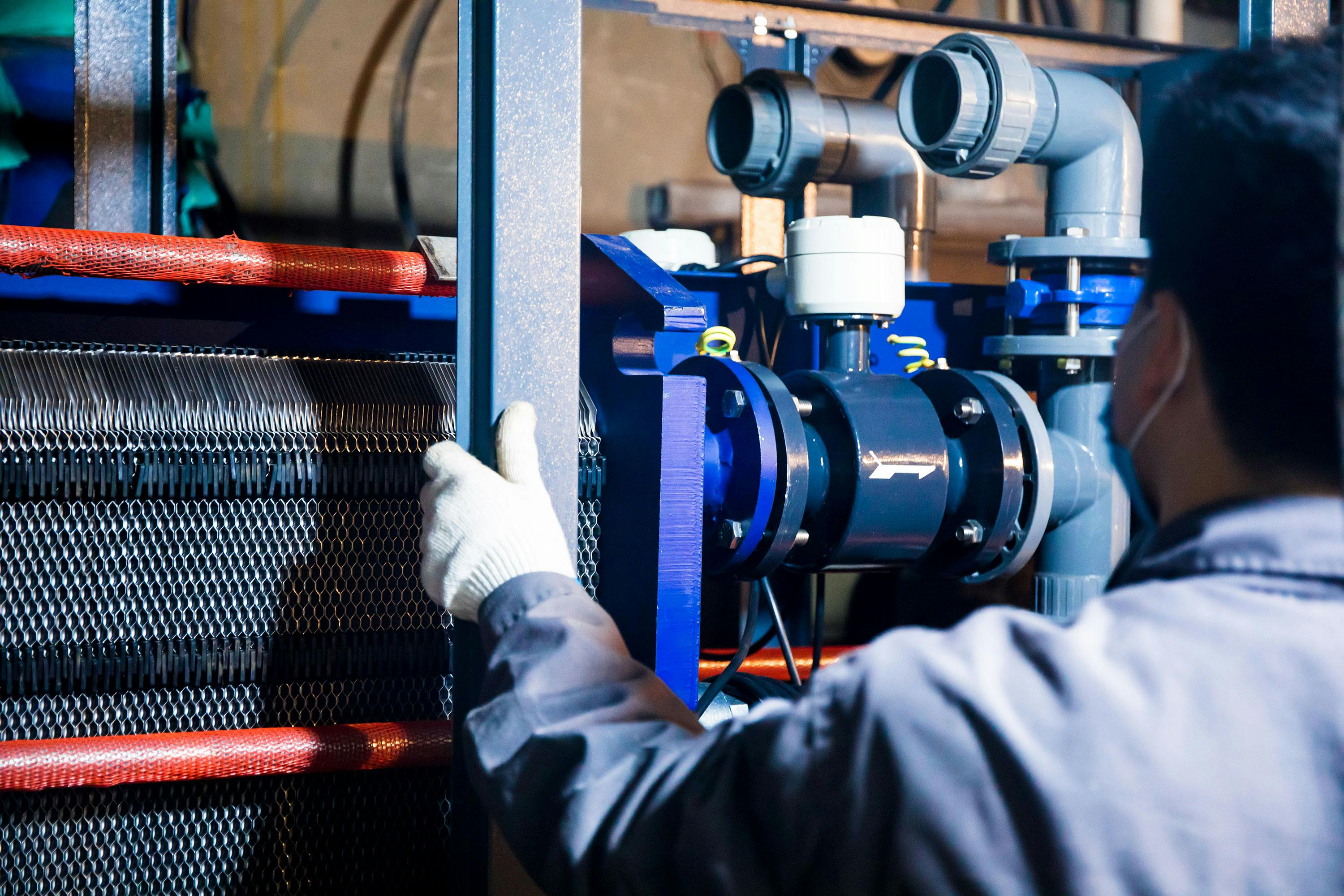
So với PVC, CPVC do mức độ clo hóa cao hơn nên có lực liên phân tử mạnh hơn, dẫn đến dòng chảy kém hơn và độ nhớt cao hơn. Điều này không chỉ đòi hỏi khả năng lưu chuyển tổng thể cao hơn trong công thức mà còn đặt ra những thách thức về khả năng tương thích của thiết bị.
Ống CPVC, được biết đến với khả năng chịu nhiệt và chống ăn mòn tuyệt vời, được sử dụng rộng rãi trong các ứng dụng có nhu cầu cao như ống nước nóng, đường ống hóa chất công nghiệp và đường ống chữa cháy. So với PVC, CPVC thể hiện tiêu chuẩn hiệu suất cao hơn trong các ứng dụng này. Không chỉ độ bền kéo và độ giãn dài khi đứt được cải thiện đáng kể mà các chỉ số chính như điểm làm mềm Vicat và hàm lượng clo cũng phải được xem xét. Những yêu cầu về hiệu suất cao hơn này đòi hỏi phải kiểm soát chặt chẽ hơn từng bước trong quá trình xử lý để đảm bảo chất lượng cao của sản phẩm cuối cùng.

Độ khó xử lý của CPVC cao và cấp độ phụ gia yêu cầu cũng cao hơn so với PVC. Ví dụ, chất ổn định phải được chọn từ các loại organotin có độ ổn định nhiệt tốt hơn và chất bôi trơn phải được sử dụng tiết kiệm nhưng hiệu quả. Những yêu cầu này có nghĩa là CPVC gần như yêu cầu một hệ thống công thức hoàn toàn mới và không thể sao chép đơn giản phương pháp thiết kế PVC truyền thống.
Để đạt được hiệu quả hóa dẻo tốt, công thức và thiết bị cho CPVC phải có tính tương thích cao. Một số cấu trúc trục vít được thiết kế với tốc độ hóa dẻo chậm hơn, đòi hỏi phải điều chỉnh công thức và tăng nhiệt độ xử lý để tăng tốc độ dẻo. Tuy nhiên, nhiệt độ quá cao có thể dẫn đến suy thoái, ảnh hưởng đến sự ổn định của sản xuất. Do đó, việc xử lý CPVC đòi hỏi phải điều chỉnh thiết bị và kết hợp công thức chính xác hơn.
Tóm lại, quá trình xử lý CPVC không chỉ phức tạp hơn PVC mà còn tốn kém hơn và việc xử lý không đúng cách thậm chí có thể dẫn đến hiệu suất sản phẩm không đạt tiêu chuẩn.
Rallychem Chemicals có nhiều kinh nghiệm trong sản xuất ống CPVC, chuyên giảm chi phí sản xuất ban đầu cho khách hàng của chúng tôi. Chúng tôi vượt trội trong việc giải quyết các thách thức như cháy than, phạm vi xử lý hạn chế, độ bền không đủ, độ bóng không đủ và chi phí cao. Các giải pháp sản phẩm CPVC toàn diện của chúng tôi, từ thiết kế đến giao hàng, đảm bảo quy trình sản xuất liền mạch và hiệu quả.
Để biết thêm thông tin, xin vui lòng liên hệ với chúng tôi.
Có thể bạn quan tâm
“Chướng ngại vật” trong sản xuất PVC liên tục: Bột trắng khó phân hủy
2026 / 09 / 30
Một nhà cung cấp đang quan sát các nhà cung cấp: Đâu là sự khác biệt thực sự giữa các nhà cung cấp dầu bôi trơn CPVC?
2026 / 09 / 29
Chuyển đổi nhựa CPVC: Tại sao nhựa có chi phí thấp hơn có thể làm giảm sản lượng đùn
2026 / 09 / 28
Tiết kiệm khoảng 20% mỗi tấn — Trong khi vẫn duy trì hiệu suất đường ống ở thông số kỹ thuật
2026 / 09 / 25
Dấu hiệu dòng chảy và vết cháy của ống CPVC sau khi thay thế nhựa: Làm thế nào để khắc phục sự cố đùn?
2026 / 09 / 23




Mọi thắc mắc vui lòng gọi
Rallychem rất vui được hỗ trợ bạn!
+86 13456396233




 English
  Español
  Français
  日本語
日本語  한국어
한국어  العربية
  فارسی
فارسی  Deutsch
  Italiano
  Tiếng Việt
  ไทย
ไทย  Русский
  Bahasa Indonesia
  Bahasa Melayu
  Türkçe


