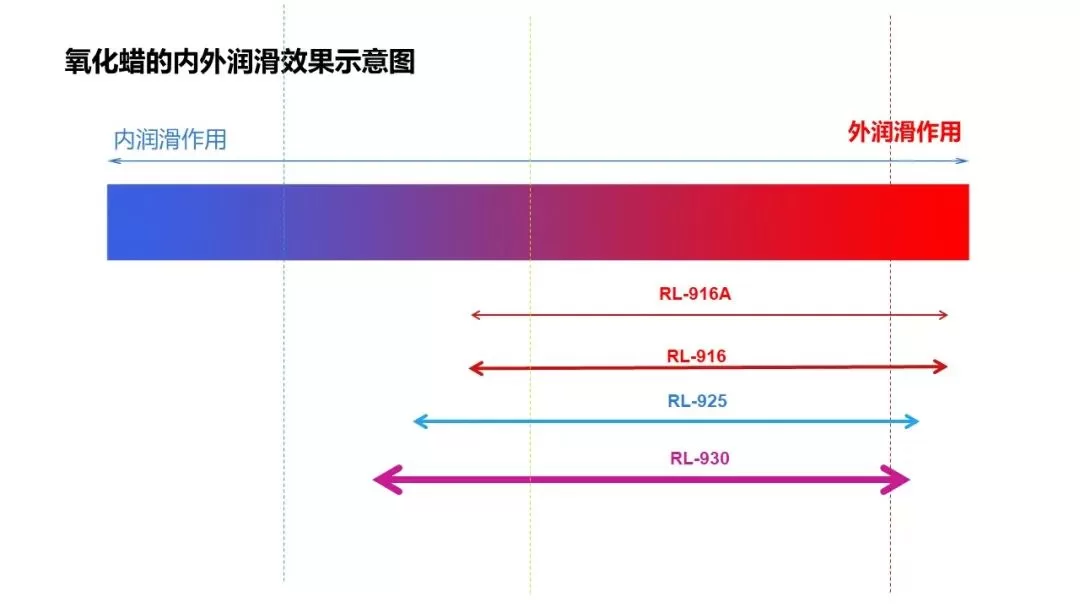
Oxidized polyethylene wax is used as both internal and external PVC lubricants. There are a number of common models on the market, such as 916, 925 and 930, which represent acid value 16, acid value 25 and acid value 30, respectively.
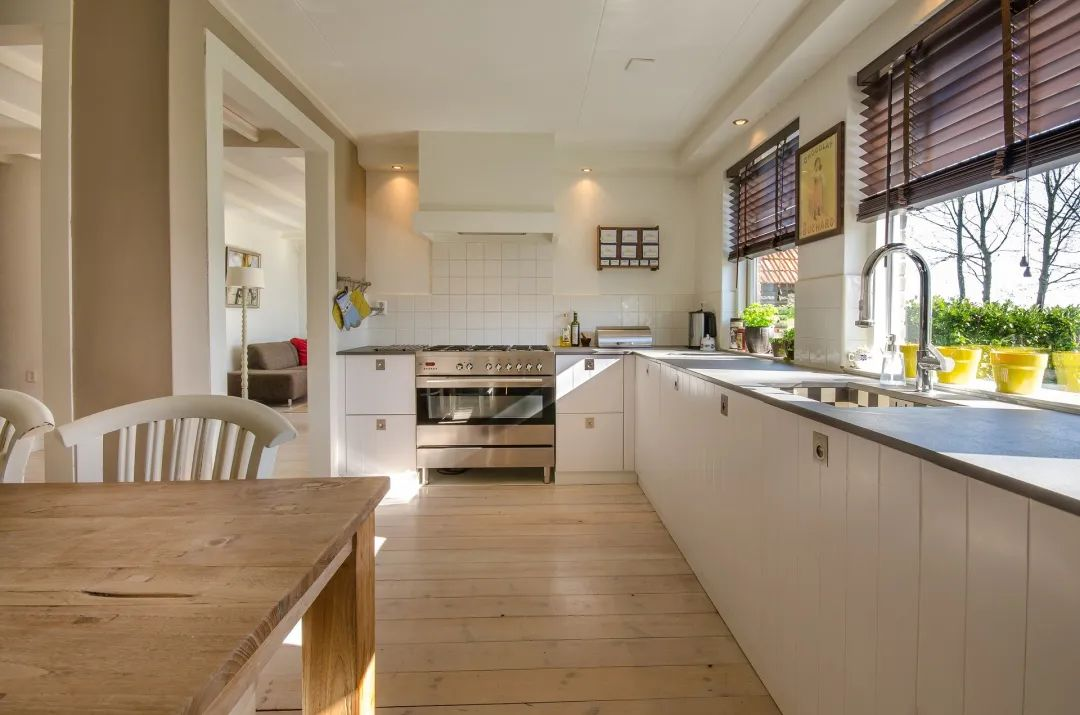
Generally speaking, the acid value represents the polarity of the oxidized wax and is positively correlated. The higher the acid value, the higher the polarity of the oxidized wax. In practical PVC processing, a higher acid value means that the oxidized wax has a more pronounced internal lubrication effect and increases the speed of plasticization. For example, the plasticizing speed of 930 with acid value 30 is significantly faster than that of 916 with acid value 16, so it is more suitable for PVC products with higher plasticizing requirements, such as SPC flooring, stone wall panels and other highly filled products.
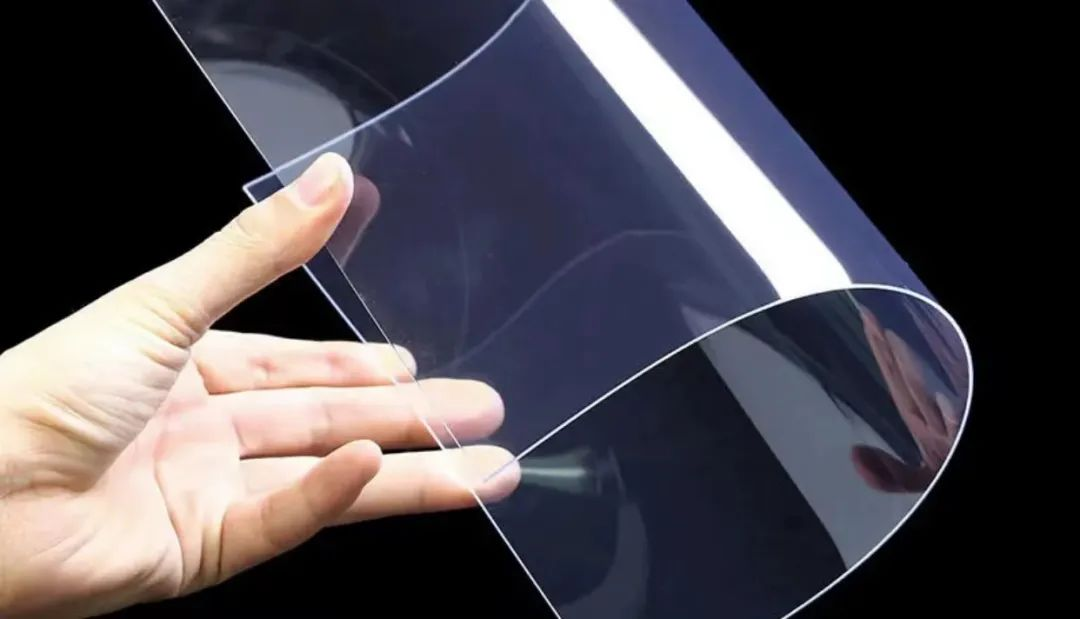
On the other hand, when the acid value of oxidized polyethylene wax is higher, it is more in favor of internal lubrication, and its external lubrication effect will be relatively weakened. Therefore, oxidized polyethylene waxes with low acid values are more suitable for PVC products with high demands on post-molding and surface. For example, shrink films, calendered sheets, etc.
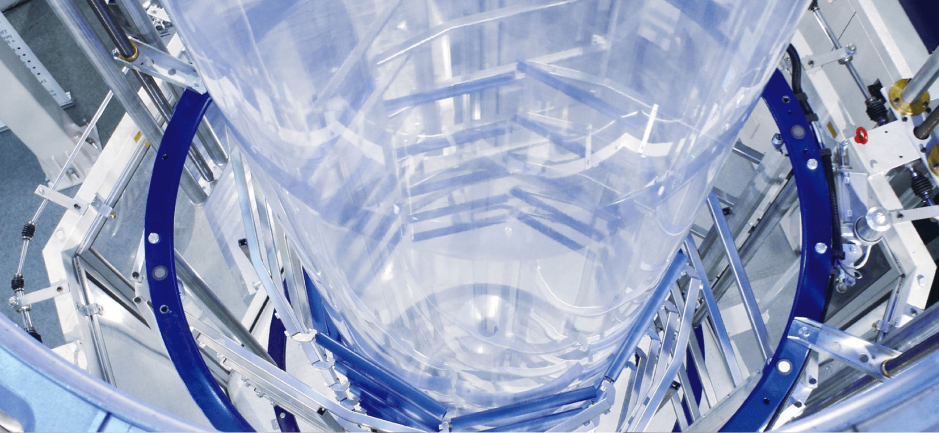
Therefore, 916A with an acid value of 16 can be used as a good late release agent after plasticization has reached the required level.
You May Be Interested
The “Stumbling Block” in Continuous PVC Production: Persistent White Powder
2026 / 09 / 30
A Supplier Looking at Suppliers: Where Is the Real Difference Between CPVC Lubricant Suppliers?
2026 / 09 / 29
CPVC Resin Switching: Why a Lower-Cost Resin Can Reduce Extrusion Output
2026 / 09 / 28
Save Around 20% Per Ton — While Keeping Pipe Performance on Spec
2026 / 09 / 25
CPVC Pipe Flow Marks and Scorching After Resin Replacement: How to Troubleshoot Extrusion Problems?
2026 / 09 / 23




For Inquiries Please Call
Rallychem Will Be Happy To Assist You!
+86 13456396233





 English
  Español
  Français
  日本語
日本語  한국어
한국어  العربية
  فارسی
فارسی  Deutsch
  Italiano
  Tiếng Việt
  ไทย
ไทย  Русский
  Bahasa Indonesia
  Bahasa Melayu
  Türkçe


