In the field of plastic materials, CPVC resin is renowned for its high chlorine content, typically ranging from 63% to 74%, which significantly exceeds the 56% to 59% of PVC resin. Understanding the impact of chlorine content on the performance of CPVC can assist us in making more informed decisions in material selection and practical applications.
A higher chlorine content implies superior heat resistance, chemical corrosion resistance, and mechanical properties, characteristics that make CPVC a potential engineering plastic. For instance, in applications such as hot and cold water pipes for water supply, industrial pipes for transporting corrosive liquids, and building fire-fighting pipes that require temperature resistance, CPVC is becoming a popular choice in these fields.
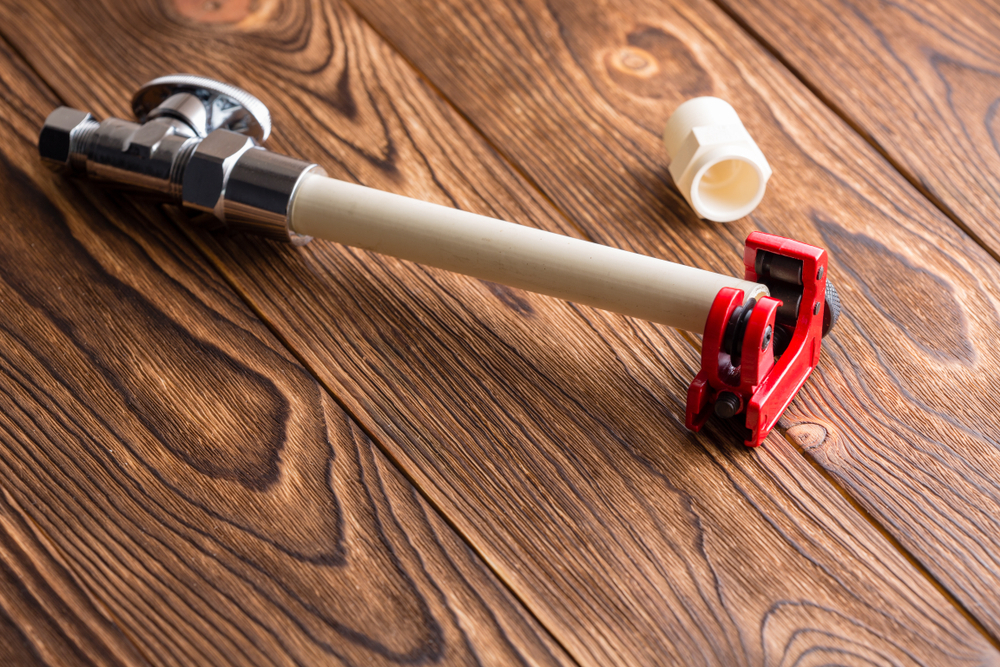
The increase in chlorine content is directly related to the Vicat softening point and mechanical strength of CPVC. National standards stipulate that the chlorine content in CPVC formulations and pipe products must be above 55%, with fire protection pipes reaching 60%, to ensure their stability in harsh environments.
Although CPVC with a high chlorine content has better performance, the chlorine content is not always the higher the better. Resins with high chlorine content have greater viscosity, higher equipment configuration requirements, are more difficult to process, and are more costly. Generally, the chlorine content of CPVC dry blend materials is between 55% and 60%. In practical applications, we need to find a balance between performance and cost, making appropriate selections based on the application scenario and cost-effectiveness.
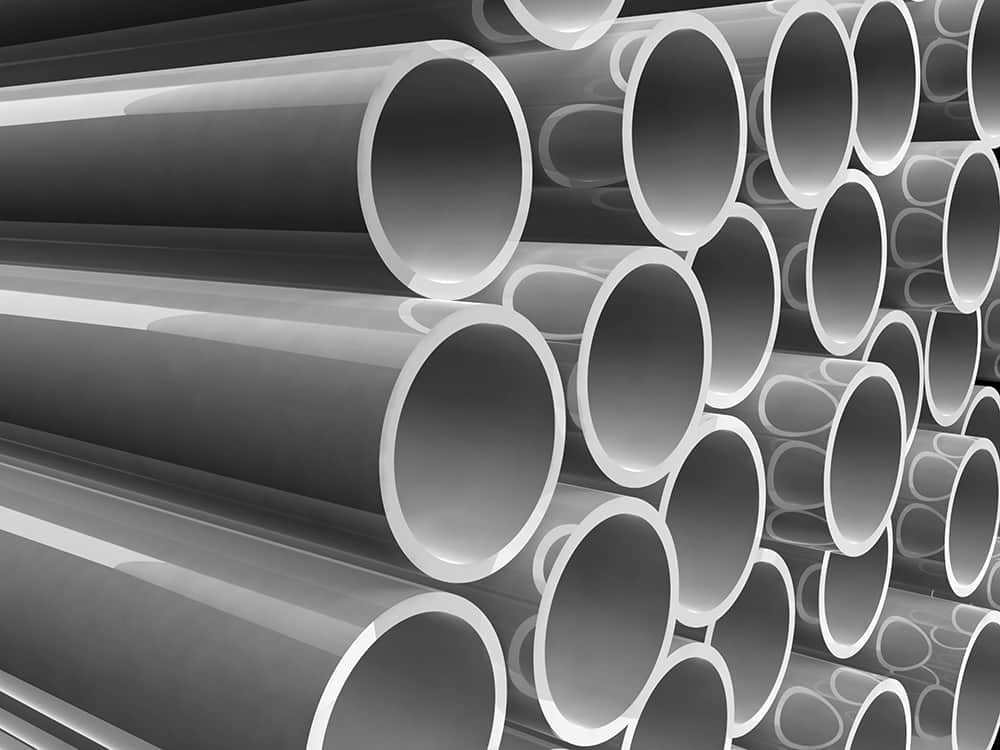
Rallychem Chemical has extensive experience in CPVC pipe production, specializing in reducing the initial production costs for our clients. We excel in addressing challenges such as charring, limited processing range, insufficient toughness, inadequate gloss, and high costs. Our one-stop CPVC product solutions, from design to delivery, ensure a seamless and efficient manufacturing process.
For more information, please contact us.
You May Be Interested
The “Stumbling Block” in Continuous PVC Production: Persistent White Powder
2026 / 09 / 30
A Supplier Looking at Suppliers: Where Is the Real Difference Between CPVC Lubricant Suppliers?
2026 / 09 / 29
CPVC Resin Switching: Why a Lower-Cost Resin Can Reduce Extrusion Output
2026 / 09 / 28
Save Around 20% Per Ton — While Keeping Pipe Performance on Spec
2026 / 09 / 25
CPVC Pipe Flow Marks and Scorching After Resin Replacement: How to Troubleshoot Extrusion Problems?
2026 / 09 / 23




For Inquiries Please Call
Rallychem Will Be Happy To Assist You!
+86 13456396233





 English
  Español
  Français
  日本語
日本語  한국어
한국어  العربية
  فارسی
فارسی  Deutsch
  Italiano
  Tiếng Việt
  ไทย
ไทย  Русский
  Bahasa Indonesia
  Bahasa Melayu
  Türkçe


