In the production of PVC products, selecting the appropriate lubricant is of paramount importance. Research from the University of South Africa, utilizing Scanning Electron Microscopy, has shed light on the differences in the micro-level effects of two common lubricants: Oxidized Polyethylene wax and Polyethylene wax.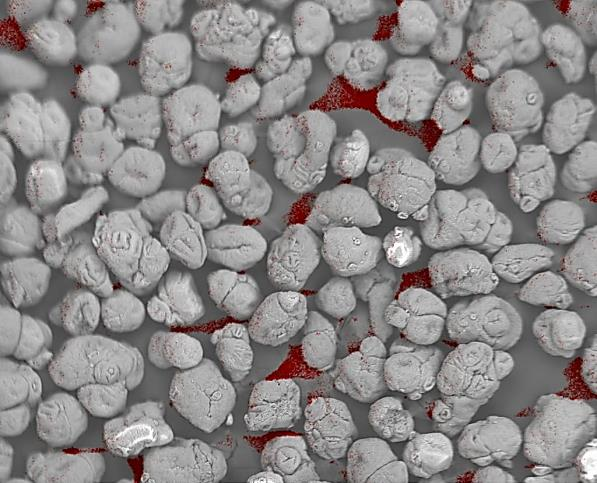
Firstly, let’s explore the function of PE wax. As a non-polar substance, it is primarily used as an external lubricant because of its non-polarity, which allows it to operate effectively between PVC particles. It delays the plasticization process, preventing the resin from adhering to processing equipment. This characteristic is crucial for maintaining the smoothness of the processing operation, similar to the performance of Fischer-Tropsch wax.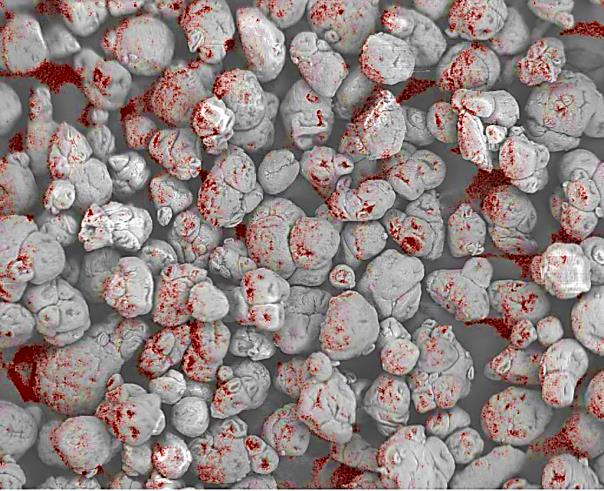
Conversely, the polar nature of OPE wax enables it to bond with PVC resin, forming a uniform lubricating film that serves as an internal lubricant. Even under the shear applied during processing, it maintains stability and contributes to improved plasticization efficiency, which significantly enhances overall production efficiency. In the production of highly filled PVC products, the incorporation of OPE wax can effectively extend the service life of the screw, reducing maintenance costs.
It ensures smooth product demolding in the final stages of processing, which significantly reduces the waste rate. This is crucial for improving production efficiency and reducing costs.
In practical applications, the strategic selection of the appropriate type of wax, aligned with the specific requirements and production conditions of PVC products, can facilitate the optimization of formulations. This refined approach ensures a more efficient and cost-effective manufacturing process.
You May Be Interested
The “Stumbling Block” in Continuous PVC Production: Persistent White Powder
2026 / 09 / 30
A Supplier Looking at Suppliers: Where Is the Real Difference Between CPVC Lubricant Suppliers?
2026 / 09 / 29
CPVC Resin Switching: Why a Lower-Cost Resin Can Reduce Extrusion Output
2026 / 09 / 28
Save Around 20% Per Ton — While Keeping Pipe Performance on Spec
2026 / 09 / 25
CPVC Pipe Flow Marks and Scorching After Resin Replacement: How to Troubleshoot Extrusion Problems?
2026 / 09 / 23




For Inquiries Please Call
Rallychem Will Be Happy To Assist You!
+86 13456396233





 English
  Español
  Français
  日本語
日本語  한국어
한국어  العربية
  فارسی
فارسی  Deutsch
  Italiano
  Tiếng Việt
  ไทย
ไทย  Русский
  Bahasa Indonesia
  Bahasa Melayu
  Türkçe


