يمكن أن يظل مستحلب الشمع المائي ثابتًا أثناء التخزين، ولكنه يتصرف بشكل مختلف بمجرد إضافته إلى تركيبة العميل. هذا هو المكان الذي تبدأ فيه العديد من مشاكل الصياغة: المنتج الذي يبدو مستقرًا تمامًا من تلقاء نفسه قد يظهر تغيرات في اللزوجة أو الانفصال أو التلبد أو انخفاض أداء التطبيق بعد الخلط مع الراتنجات أو الأصباغ أو المواد المضافة الأخرى.
وهذا يعني أن تقييم مستحلب الشمع نفسه ليس سوى جزء من العملية. بالنسبة للمركبين، السؤال الأكثر أهمية هو ما إذا كان بإمكانه الحفاظ على الاستقرار والأداء المناسبين بعد دخول التركيبة الكاملة.
وهذا مهم بشكل خاص في الطلاءات والأحبار والمنسوجات والتشطيبات الجلدية وغيرها من الأنظمة المعتمدة على الماء، حيث يتم دمج مستحلبات الشمع مع مكونات صياغة متعددة وقد تواجه ظروف تخزين أو معالجة مختلفة.
يمكن أن يساعد تقييم الاستقرار الذي يركز بشكل أكبر على التطبيق في تحديد مشكلات التوافق المحتملة في وقت مبكر، وتقليل التجربة والخطأ غير الضروريين، ودعم اختيار مستحلب الشمع بشكل أكثر استنارة.
كيف يعمل استقرار مستحلب الشمع المائي؟
للوهلة الأولى، أ
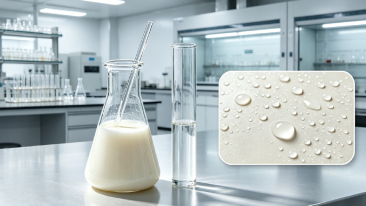
مستحلب الشمع المائي قد لا يبدو أكثر من مجرد سائل أبيض بسيط. ومع ذلك، وراء هذا المظهر يوجد نظام تشتيت يتم التحكم فيه بعناية، حيث يتم توزيع عدد لا يحصى من جزيئات الشمع الصغيرة بالتساوي في الماء ويتم تثبيتها عن طريق مكونات الاستحلاب.
يعد استقرار نظام التشتيت هذا ضروريًا لأنه يؤثر بشكل مباشر على ما إذا كان مستحلب الشمع يمكنه الحفاظ على أداء ثابت أثناء التخزين وخلط التركيبة والتطبيق النهائي. يساعد مستحلب الشمع المستقر على ضمان توزيع الشمع بشكل موحد في النظام، مما يسمح بتوصيل خصائص مثل الانزلاق ومقاومة التآكل ومقاومة الماء وملمس السطح بشكل متسق.
من المفاهيم الخاطئة الشائعة أن استقرار مستحلب الشمع يعتمد فقط على ما إذا كان المستحلب نفسه يظل مستقرًا أثناء التخزين. في الواقع، لا يقتصر الاستقرار على حالة المستحلب الأصلية، ولكنه يعتمد أيضًا على مدى احتفاظ مستحلب الشمع بتشتته وأدائه بعد دمجه في نظام صياغة كامل.
أثناء التركيب والتخزين والتطبيق، قد تؤدي التغيرات في الرقم الهيدروجيني والبيئة الأيونية ودرجة الحرارة والتفاعلات مع المكونات الأخرى إلى الإخلال بهذا التوازن والتأثير على الأداء النهائي للنظام.
عندما يختل هذا التوازن الدقيق، قد يظهر النظام تدريجياً مشاكل في الاستقرار، مثل:
-
مرحلة الانفصال أو الدهن
-
التلبد أو الترسيب
-
زيادة اللزوجة أو عدم استقرارها
-
التخثر بعد تعديل الرقم الهيدروجيني
-
انخفاض الانزلاق، ومقاومة التآكل، أو غيرها من الأداء السطحي
للحفاظ على هذا التوازن في ظل ظروف صياغة مختلفة، من المهم فهم العوامل الرئيسية التي قد تؤثر على استقرار مستحلب الشمع.
4 عوامل رئيسية يجب مراعاتها عند تقييم ثبات مستحلب الشمع
على الرغم من أن استقرار مستحلب الشمع يتأثر بالعديد من العوامل، إلا أن معظم مشكلات الثبات التي تمت ملاحظتها أثناء تطوير التركيبة يمكن عادةً إرجاعها إلى عدة مجالات رئيسية. إن فهم هذه العوامل يساعد القائمين على صياغة التحليل على تحديد الأسباب المحتملة لعدم الاستقرار بشكل أكثر كفاءة وإجراء تعديلات مستهدفة بدلاً من الاعتماد على تكرار التجربة والخطأ.
1. الرقم الهيدروجيني
غالبًا ما يكون الرقم الهيدروجيني هو المعلمة الأولى التي يجب التحقق منها عند استكشاف أخطاء مستحلب الشمع غير المستقر وإصلاحها. يمكن أن تؤثر التغيرات في الرقم الهيدروجيني على حالة التأين لبعض مكونات الاستحلاب والتفاعلات بين الجزيئات المشتتة ومكونات التركيبة الأخرى. تعتمد الحساسية للأس الهيدروجيني بشدة على نظام الاستحلاب وكيمياء الشمع.
إذا تحركت التركيبة خارج نطاق الأس الهيدروجيني المناسب، فقد تصبح آلية التثبيت أقل فعالية، مما يزيد من خطر تراكم الجسيمات أو فصل الطور.
من أجل استقرار أفضل:
-
تحقق من الرقم الهيدروجيني للتركيبة الأساسية قبل إضافة مستحلب الشمع.
-
تجنب إضافة حمض مركز أو قلوي مباشرة إلى المستحلب.
-
قم بإجراء تعديلات على الرقم الهيدروجيني تدريجيًا.
-
إعادة فحص الاستقرار بعد موازنة الصيغة.
يختلف نطاق الأس الهيدروجيني المناسب اعتمادًا على كيمياء الشمع وتقنية الاستحلاب. ولذلك، ينبغي أخذ البيانات الفنية للمورد في الاعتبار أثناء تطوير الصياغة.
2. التسامح المنحل بالكهرباء
تعتبر الإلكتروليتات عاملاً آخر يستحق الاهتمام. قد تؤدي الأملاح والأصباغ وعوامل التحييد والمواد الخافضة للتوتر السطحي الأيونية والمواد الخام الأخرى إلى زيادة القوة الأيونية للتركيبة وتؤثر على استقرار التشتت.
قد تؤدي القوة الأيونية الأعلى إلى تقليل قوى التنافر بين الجزيئات المشتتة، مما قد يزيد من إمكانية التجميع.
وهذا مهم بشكل خاص للتركيبات التي تحتوي على مستويات عالية نسبيًا من:
-
أملاح غير عضوية
-
الأصباغ والحشو
-
عوامل تحييد
إذا ظهر عدم الاستقرار بعد إضافة مكون معين، فمن المستحسن تقييم هذا المكون بشكل منفصل بدلاً من مجرد زيادة جرعة الشمع. في بعض الحالات، قد يؤدي تغيير تسلسل الإضافة أو طريقة التخفيف إلى تحسين التوافق.
3. التوافق مع الإضافات الأخرى
في التركيبات الحقيقية، تُستخدم مستحلبات الشمع بشكل شائع مع راتنجات الأكريليك أو البولي يوريثان، والأصباغ، والمشتتات، ومزيلات الرغوة، وعوامل الترطيب، ومعدلات الريولوجيا، والمواد الحافظة، والمواد المضافة الأخرى.
قد تغير هذه المكونات درجة الحموضة أو القوة الأيونية أو اللزوجة أو كيمياء سطح النظام. وبالتالي فإن تفاعلها مع مستحلب الشمع يمكن أن يؤثر على الصيغة النهائية.
على سبيل المثال، قد يبدو الطلاء موحدًا مباشرة بعد الخلط ولكنه يحدث تغيرات في اللزوجة أو الانفصال أثناء التخزين. في صيغة أخرى، قد يظل المظهر ثابتًا أثناء تغيرات الانزلاق أو مقاومة التآكل أو ملمس السطح.
وبالتالي يمكن أن يشمل اختبار التوافق العملي ما يلي:
-
المظهر بعد الخلط - تحقق من التلبد أو التخثر أو الانفصال.
-
اللزوجة - قارن التركيبة قبل وبعد إضافة الشمع وراقب التغيرات أثناء التخزين.
-
استقرار التخزين - التحقق مما إذا كانت التركيبة الكاملة تظل ضمن الحالة المادية المتوقعة.
-
أداء التطبيق - تقييم الخصائص مثل الانزلاق، أو مقاومة التآكل، أو مقاومة الماء، أو مقاومة الانسداد، أو ملمس السطح وفقًا للتطبيق.
4. درجة الحرارة وظروف التخزين
يمكن أن تصبح درجة الحرارة وظروف التخزين مهمة عندما يواجه مستحلب الشمع ظروفًا مختلفة عن بيئة المختبر القياسية.
قد تؤثر درجات الحرارة المرتفعة ودرجات الحرارة المنخفضة ودورات التجميد والذوبان والتقلبات المتكررة في درجات الحرارة والتخزين الممتد وظروف النقل على الاستقرار المادي لمستحلب الشمع المائي.
على سبيل المثال، قد يؤدي التجميد إلى إزعاج بنية التشتت، وقد تظهر بعض الأنظمة تغيرات في اللزوجة أو الترسيب أو الانفصال بعد الذوبان. قد يساهم التعرض لفترات طويلة لدرجات حرارة مرتفعة أيضًا في حدوث تغيرات في اللزوجة أو المظهر، اعتمادًا على التركيبة.
بالنسبة للمنتجات التي قد تتعرض للنقل في الطقس البارد، أو التغيرات الموسمية في درجات الحرارة، أو أوقات التسليم الطويلة، يمكن تضمين هذه الشروط في التقييم عندما يكون ذلك مناسبًا.
قد يشمل الاختبار ما يلي:
يمكن أن تؤثر ظروف التخزين أيضًا على الاستقرار الميكروبيولوجي. في حالة ظهور رائحة أو عفن أو أي تشوهات أخرى أثناء التخزين طويل الأمد، يجب التحقيق في السبب بشكل منفصل بدلاً من عزوه تلقائيًا إلى عدم استقرار المستحلب الفيزيائي.
كيف تدعم Rallychem حلول مستحلب الشمع المخصصة
عندما يواجه العملاء مشكلات في استقرار مستحلب الشمع، تنظر Rallychem أولاً في التركيبة الفعلية وظروف التطبيق بدلاً من مجرد التوصية بمنتج مختلف. يساعدنا هذا في تقييم ما إذا كان مستحلب الشمع المحدد يظل مستقرًا ويعمل كما هو متوقع في تركيبة العميل.
قد يشمل التقييم ما يلي:
-
التوافق مع الراتنج والمواد المضافة
-
ظروف الرقم الهيدروجيني والكهارل
-
طريقة الخلط وتسلسل الإضافة
-
ظروف التخزين والنقل
على سبيل المثال، إذا تغيرت اللزوجة بعد إضافة مستحلب الشمع إلى نظام الطلاء، فقد نقوم بفحص التفاعل مع الراتنج أو المواد المضافة الأخرى. إذا ظهر الانفصال بعد التخزين أو النقل، فقد يلزم أيضًا مراعاة درجة الحرارة وظروف التخزين.
واستنادًا إلى نتائج التقييم، يمكن لشركة Rallychem أن توصي بدرجات مستحلب الشمع المناسبة، أو تعديلات التركيبة، أو العينات لإجراء المزيد من الاختبارات. هدفنا هو مساعدة العملاء على تحديد الحل الذي لا يعمل فقط كمنتج مستقل، ولكن أيضًا ضمن صياغته الفعلية.
بفضل خبرتها في الطلاءات والأحبار والمنسوجات والتشطيبات الجلدية والورق والتطبيقات المائية الأخرى، توفر Rallychem حلول مستحلب الشمع المخصصة بناءً على متطلبات التركيب والتطبيق المحددة.
خاتمة
ينبغي تقييم ثبات المستحلب الشمعي المائي من أكثر من منظور. لتطوير التركيبة الحقيقية، هناك أربعة مجالات تستحق النظر فيها بشكل خاص: الرقم الهيدروجيني، وتحمل الإلكتروليت، والتوافق مع الإضافات الأخرى، ودرجة الحرارة وظروف التخزين.
يمكن أن يوفر اختبار مستحلب الشمع في التركيبة المستهدفة وتحت ظروف التخزين أو التطبيق ذات الصلة معلومات أكثر فائدة لاختيار المنتج بدلاً من الاعتماد فقط على بيانات الاستقرار المستقلة.
والمفتاح ليس فقط فهم ما إذا كان مستحلب الشمع مستقرًا من تلقاء نفسه، ولكن أيضًا ما إذا كان يظل مناسبًا بعد دخوله في تركيبة العميل.






 English
  Español
  Français
  日本語
日本語  한국어
한국어  العربية
  فارسی
فارسی  Deutsch
  Italiano
  Tiếng Việt
  ไทย
ไทย  Русский
  Bahasa Indonesia
  Bahasa Melayu
  Türkçe