水ベースのワックスエマルジョンは、保管中は安定していますが、顧客の配合物に添加されると異なる挙動を示します。ここから多くの配合上の問題が始まります。単独では完全に安定しているように見える製品でも、樹脂、顔料、またはその他の添加剤と混合すると、粘度の変化、分離、凝集、または塗布性能の低下が見られる場合があります。
つまり、ワックス エマルジョン自体の評価はプロセスの一部にすぎません。配合者にとって、より重要な問題は、配合完了後に適切な安定性と性能を維持できるかどうかです。
これは、ワックスエマルションが複数の配合成分と組み合わされ、異なる保管条件や加工条件にさらされる可能性がある、コーティング、インク、織物、皮革仕上げ剤、およびその他の水ベースのシステムにおいて特に重要です。
よりアプリケーションに焦点を当てた安定性評価は、潜在的な互換性の問題を早期に特定し、不必要な試行錯誤を減らし、より多くの情報に基づいたワックスエマルションの選択をサポートするのに役立ちます。
水ベースのワックスエマルジョンの安定性はどのように機能しますか?
一見すると、
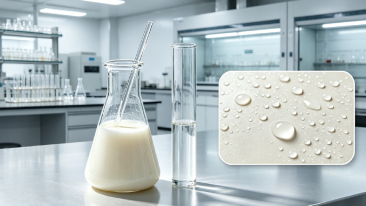
水性ワックスエマルジョン 単なる白い液体にしか見えないかもしれません。しかし、この外観の背後には、無数の小さなワックス粒子が水中に均一に分散され、乳化成分によって安定化されている、注意深く制御された分散系があります。
この分散系の安定性は、ワックスエマルジョンが保管、配合混合、最終塗布中に一貫した性能を維持できるかどうかに直接影響するため、不可欠です。安定したワックスエマルジョンは、システム内でワックスを均一に分散させるのに役立ち、滑り、耐摩耗性、撥水性、表面感触などの特性を一貫して提供できます。
ワックスエマルジョンの安定性は、エマルジョン自体が保管中に安定に保たれるかどうかによってのみ決まるというのは、よくある誤解です。実際には、安定性は元のエマルジョンの状態に限定されず、完全な配合システムに組み込まれた後にワックス エマルジョンが分散と性能をどの程度維持できるかにも依存します。
配合、保管、および適用中に、pH、イオン環境、温度の変化、および他の成分との相互作用により、このバランスが崩れ、システムの最終的な性能に影響を与える可能性があります。
この微妙なバランスが崩れると、システムに次のような安定性の問題が徐々に現れることがあります。
-
相分離またはクリーミング
-
凝集または沈降
-
粘度の増加または不安定
-
pH調整後の凝固
-
滑り、耐摩耗性、その他の表面性能の低下
さまざまな配合条件下でこのバランスを維持するには、ワックスエマルションの安定性に影響を与える可能性がある重要な要因を理解することが重要です。
ワックスエマルジョンの安定性を評価する際に考慮すべき 4 つの重要な要素
ワックスエマルションの安定性は多くの要因によって影響されますが、配合開発中に観察される安定性の問題のほとんどは、通常、いくつかの重要な領域にまで遡ることができます。これらの要因を理解することで、策定者は繰り返しの試行錯誤に頼るのではなく、不安定性の考えられる原因をより効率的に特定し、的を絞った調整を行うことができます。
1. pH
不安定なワックス エマルジョンのトラブルシューティングを行う場合、pH は多くの場合最初にチェックするパラメータです。 pH の変化は、特定の乳化成分のイオン化状態、および分散粒子と他の配合成分の間の相互作用に影響を与える可能性があります。 pH に対する感度は、乳化システムとワックスの化学的性質に大きく依存します。
配合物が適切な pH 範囲外に移動すると、安定化メカニズムの効果が低下し、粒子の凝集や相分離のリスクが増加する可能性があります。
安定性を高めるには:
適切な pH 範囲は、ワックスの化学的性質と乳化技術によって異なります。したがって、配合開発中にサプライヤーの技術データを考慮する必要があります。
2. 電解質耐性
電解質も注目に値する要素です。塩、顔料、中和剤、イオン性界面活性剤、およびその他の原材料は、配合物のイオン強度を増加させ、分散安定性に影響を与える可能性があります。
イオン強度が高くなると、分散粒子間の反発力が小さくなり、凝集の可能性が高くなります。
これは、以下のものを比較的高レベルで含む製剤にとって特に重要です。
特定の成分を添加した後に不安定性が現れた場合は、単にワックスの投与量を増やすのではなく、その成分を個別に評価することをお勧めします。場合によっては、添加順序や希釈方法を変更することで相溶性が向上する場合があります。
3. 他の添加剤との適合性
実際の配合では、ワックスエマルジョンは通常、アクリル樹脂またはポリウレタン樹脂、顔料、分散剤、消泡剤、湿潤剤、レオロジー調整剤、防腐剤、その他の添加剤と一緒に使用されます。
これらの成分は、システムの pH、イオン強度、粘度、または表面化学を変化させる可能性があります。したがって、ワックスエマルションとの相互作用は最終的な配合に影響を与える可能性があります。
たとえば、コーティングは混合直後は均一に見えますが、保管中に粘度の変化や分離が発生する場合があります。別の配合では、滑り、耐摩耗性、または表面の感触が変化しても、外観は安定したままになる場合があります。
したがって、実際の互換性テストには次のものが含まれます。
-
混合後の外観 - 凝集、凝集、分離がないか確認してください。
-
粘度 - ワックス添加前後の配合を比較し、保管中の変化を監視します。
-
保存安定性 – 完全な配合物が予想される物理的状態の範囲内にあるかどうかを確認します。
-
塗布性能 — 用途に応じて、滑り性、耐摩耗性、撥水性、耐ブロッキング性、表面感触などの特性を評価します。
4. 温度と保管条件
ワックスエマルジョンが標準的な実験室環境とは異なる条件にさらされる場合、温度と保管条件が重要になることがあります。
高温、低温、凍結融解サイクル、繰り返しの温度変動、長期間の保管、輸送条件はすべて、水ベースのワックス エマルジョンの物理的安定性に影響を与える可能性があります。
たとえば、凍結すると分散構造が乱される可能性があり、一部のシステムでは解凍後に粘度の変化、沈降、または分離が発生する場合があります。高温に長時間さらされると、配合物によっては粘度や外観が変化する可能性があります。
寒冷地での輸送、季節による温度変化、または長い納期が発生する可能性のある製品については、該当する場合にはこれらの条件を評価に含めることができます。
テストには次のものが含まれる場合があります。
-
高温・低温保管
-
凍結融解サイクル
-
温度変動
-
拡張ストレージ
-
輸送条件
保管条件も微生物学的安定性に影響を与える可能性があります。長期保管中に臭気、カビ、またはその他の異常が発生した場合は、物理的なエマルションの不安定性が原因であると自動的に判断するのではなく、その原因を個別に調査する必要があります。
Rallychem がカスタマイズされたワックス エマルジョン ソリューションをサポートする方法
お客様がワックスエマルジョンの安定性の問題に直面した場合、Rallychem は単に別の製品を推奨するのではなく、まず実際の配合と塗布条件を検討します。これは、選択したワックスエマルジョンが安定性を保ち、お客様の配合で期待どおりに機能するかどうかを評価するのに役立ちます。
評価には次のものが含まれる場合があります。
-
樹脂と添加剤の適合性
-
pHと電解質の状態
-
混合方法と添加順序
-
保管および輸送条件
たとえば、ワックスエマルションをコーティングシステムに添加した後に粘度が変化した場合、樹脂または他の添加剤との相互作用を調べることがあります。保管または輸送後に分離が発生した場合は、温度と保管条件も考慮する必要がある場合があります。
評価結果に基づいて、Rallychem は適切なワックス エマルジョン グレード、配合調整、またはさらなるテスト用のサンプルを推奨します。私たちの目標は、お客様がスタンドアロン製品としてだけでなく、実際の配合内でも機能するソリューションを特定できるよう支援することです。
コーティング、インク、テキスタイル、皮革仕上げ、紙、その他の水性用途の経験を持つ Rallychem は、特定の配合と用途の要件に基づいてカスタマイズされたワックス エマルジョン ソリューションを提供します。
結論
水性ワックスエマルジョンの安定性は複数の観点から評価する必要があります。実際の配合開発では、pH、電解質耐性、他の添加剤との適合性、温度と保管条件の 4 つの領域を特に考慮する価値があります。
対象となる配合物内で、関連する保管条件または適用条件下でワックスエマルジョンをテストすると、独立した安定性データのみに依存するよりも、製品の選択に役立つ情報が得られます。
重要なのは、ワックスエマルションがそれ自体で安定しているかどうかだけでなく、顧客の配合物に入った後も適切なままであるかどうかを理解することです。






 English
  Español
  Français
  日本語
日本語  한국어
한국어  العربية
  فارسی
فارسی  Deutsch
  Italiano
  Tiếng Việt
  ไทย
ไทย  Русский
  Bahasa Indonesia
  Bahasa Melayu
  Türkçe