Un’emulsione di cera a base acquosa può rimanere stabile durante lo stoccaggio, ma comportarsi diversamente una volta aggiunta alla formulazione del cliente. È qui che iniziano molti problemi di formulazione: un prodotto che sembra perfettamente stabile di per sé può mostrare cambiamenti di viscosità, separazione, flocculazione o prestazioni applicative ridotte dopo la miscelazione con resine, pigmenti o altri additivi.
Ciò significa che la valutazione dell’emulsione di cera stessa è solo una parte del processo. Per i formulatori, la domanda più importante è se può mantenere stabilità e prestazioni adeguate dopo essere entrato nella formulazione completa.
Ciò è particolarmente importante per rivestimenti, inchiostri, tessuti, finiture in pelle e altri sistemi a base acqua, dove le emulsioni di cera sono combinate con più componenti di formulazione e possono subire condizioni di conservazione o lavorazione diverse.
Una valutazione della stabilità più focalizzata sull'applicazione può aiutare a identificare tempestivamente potenziali problemi di compatibilità, ridurre tentativi ed errori non necessari e supportare una selezione più informata dell'emulsione di cera.
Come funziona la stabilità dell'emulsione di cera a base acqua?
A prima vista, a
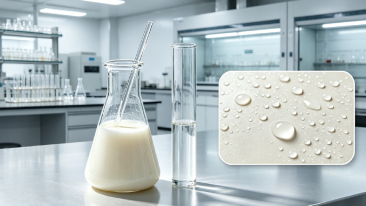
emulsione di cera a base acqua potrebbe non sembrare altro che un semplice liquido bianco. Ma dietro questo aspetto si nasconde un sistema di dispersione attentamente controllato, in cui innumerevoli minuscole particelle di cera sono distribuite uniformemente in acqua e stabilizzate da componenti emulsionanti.
La stabilità di questo sistema di dispersione è essenziale perché influisce direttamente sulla capacità dell'emulsione di cera di mantenere prestazioni costanti durante lo stoccaggio, la miscelazione della formulazione e l'applicazione finale. Un'emulsione di cera stabile aiuta a garantire una distribuzione uniforme della cera nel sistema, consentendo di fornire in modo coerente proprietà come scivolamento, resistenza all'abrasione, idrorepellenza e sensazione superficiale.
È un malinteso comune ritenere che la stabilità dell'emulsione di cera dipenda solo dal fatto che l'emulsione stessa rimanga stabile durante la conservazione. In realtà, la stabilità non è limitata allo stato originale dell'emulsione, ma dipende anche da quanto bene l'emulsione di cera mantiene la sua dispersione e le sue prestazioni dopo essere stata incorporata in un sistema di formulazione completo.
Durante la formulazione, la conservazione e l'applicazione, i cambiamenti nel pH, nell'ambiente ionico, nella temperatura e le interazioni con altri componenti possono disturbare questo equilibrio e influenzare le prestazioni finali del sistema.
Quando questo delicato equilibrio viene interrotto, il sistema può gradualmente mostrare problemi di stabilità, come:
-
Separazione di fasi o scrematura
-
Flocculazione o sedimentazione
-
Viscosità aumentata o instabile
-
Coagulazione dopo aggiustamento del pH
-
Scivolamento ridotto, resistenza all'abrasione o altre prestazioni della superficie
Per mantenere questo equilibrio in diverse condizioni di formulazione, è importante comprendere i fattori chiave che possono influenzare la stabilità dell'emulsione di cera.
4 fattori chiave da considerare quando si valuta la stabilità dell'emulsione di cera
Sebbene la stabilità dell’emulsione di cera sia influenzata da molti fattori, la maggior parte dei problemi di stabilità osservati durante lo sviluppo della formulazione possono solitamente essere ricondotti a diverse aree chiave. Comprendere questi fattori aiuta i formulatori a identificare le possibili cause di instabilità in modo più efficiente e ad apportare modifiche mirate invece di fare affidamento su ripetuti tentativi ed errori.
1. pH
Il pH è spesso il primo parametro da controllare quando si risolve un problema con un'emulsione di cera instabile. Le variazioni del pH possono influenzare lo stato di ionizzazione di alcuni componenti emulsionanti e le interazioni tra le particelle disperse e altri ingredienti della formulazione. La sensibilità al pH dipende fortemente dal sistema di emulsionamento e dalla chimica della cera.
Se la formulazione si sposta al di fuori dell'intervallo di pH adeguato, il meccanismo di stabilizzazione potrebbe diventare meno efficace, aumentando il rischio di aggregazione delle particelle o separazione di fase.
Per una migliore stabilità:
-
Controllare il pH della formulazione base prima di aggiungere l'emulsione di cera.
-
Evitare di aggiungere acidi o alcali concentrati direttamente all'emulsione.
-
Effettuare le regolazioni del pH gradualmente.
-
Ricontrollare la stabilità dopo che la formulazione si è equilibrata.
L'intervallo di pH adatto varia a seconda della chimica della cera e della tecnologia di emulsionamento. Pertanto, i dati tecnici del fornitore dovrebbero essere considerati durante lo sviluppo della formulazione.
2. Tolleranza agli elettroliti
Gli elettroliti sono un altro fattore che merita attenzione. Sali, pigmenti, agenti neutralizzanti, tensioattivi ionici e altre materie prime possono aumentare la forza ionica di una formulazione e influenzare la stabilità della dispersione.
Una maggiore forza ionica può ridurre le forze repulsive tra le particelle disperse, il che può aumentare la possibilità di aggregazione.
Ciò è particolarmente importante per le formulazioni contenenti livelli relativamente elevati di:
-
Sali inorganici
-
Pigmenti e riempitivi
-
Agenti neutralizzanti
Se dopo l'aggiunta di un ingrediente specifico si manifesta un'instabilità, si consiglia di valutare separatamente quel componente anziché aumentare semplicemente il dosaggio della cera. In alcuni casi, la modifica della sequenza di aggiunta o del metodo di diluizione può migliorare la compatibilità.
3. Compatibilità con altri additivi
Nelle formulazioni reali, le emulsioni di cera sono comunemente utilizzate insieme a resine acriliche o poliuretaniche, pigmenti, disperdenti, antischiuma, agenti bagnanti, modificatori della reologia, conservanti e altri additivi.
Questi componenti possono modificare il pH, la forza ionica, la viscosità o la chimica della superficie del sistema. La loro interazione con l'emulsione di cera può quindi influenzare la formulazione finale.
Ad esempio, un rivestimento può apparire uniforme immediatamente dopo la miscelazione ma sviluppare variazioni di viscosità o separazione durante lo stoccaggio. In un'altra formulazione, l'aspetto può rimanere stabile mentre cambiano lo scivolamento, la resistenza all'abrasione o la sensazione della superficie.
Un test pratico di compatibilità può quindi includere:
-
Aspetto dopo la miscelazione: verificare la flocculazione, la coagulazione o la separazione.
-
Viscosità: confronta la formulazione prima e dopo l'aggiunta della cera e monitora i cambiamenti durante la conservazione.
-
Stabilità allo stoccaggio: verificare se la formulazione completa rimane nelle condizioni fisiche previste.
-
Prestazioni dell'applicazione: valuta proprietà quali scivolamento, resistenza all'abrasione, idrorepellenza, antibloccaggio o sensazione superficiale in base all'applicazione.
4. Condizioni di temperatura e conservazione
Le condizioni di temperatura e conservazione possono diventare importanti quando un'emulsione di cera sperimenta condizioni diverse dall'ambiente standard di laboratorio.
Temperature elevate, basse temperature, cicli di gelo-disgelo, ripetute fluttuazioni di temperatura, conservazione prolungata e condizioni di trasporto possono influenzare la stabilità fisica di un'emulsione di cera a base acqua.
Ad esempio, il congelamento potrebbe disturbare la struttura della dispersione e alcuni sistemi potrebbero mostrare cambiamenti di viscosità, sedimentazione o separazione dopo lo scongelamento. L'esposizione prolungata a temperature elevate può anche contribuire a cambiamenti nella viscosità o nell'aspetto, a seconda della formulazione.
Per i prodotti soggetti a trasporto con climi freddi, variazioni di temperatura stagionali o tempi di consegna lunghi, queste condizioni possono essere incluse nella valutazione, se pertinenti.
I test possono includere:
Le condizioni di conservazione possono anche influenzare la stabilità microbiologica. Se durante la conservazione a lungo termine compaiono odori, muffe o altre anomalie, la causa dovrebbe essere indagata separatamente anziché attribuirla automaticamente all'instabilità fisica dell'emulsione.
Come Rallychem supporta soluzioni di emulsione di cera personalizzate
Quando i clienti riscontrano problemi di stabilità dell'emulsione di cera, Rallychem esamina innanzitutto la formulazione effettiva e le condizioni di applicazione anziché limitarsi a consigliare un prodotto diverso. Questo ci aiuta a valutare se l’emulsione di cera selezionata rimane stabile e funziona come previsto nella formulazione del cliente.
La valutazione può includere:
-
Compatibilità con resine e additivi
-
Condizioni del pH e dell'elettrolito
-
Metodo di miscelazione e sequenza di addizione
-
Condizioni di stoccaggio e trasporto
Ad esempio, se la viscosità cambia dopo che l'emulsione di cera viene aggiunta a un sistema di rivestimento, possiamo esaminare l'interazione con la resina o altri additivi. Se si verifica separazione dopo lo stoccaggio o il trasporto, potrebbe essere necessario prendere in considerazione anche la temperatura e le condizioni di stoccaggio.
Sulla base dei risultati della valutazione, Rallychem può consigliare gradi di emulsione di cera adatti, aggiustamenti della formulazione o campioni per ulteriori test. Il nostro obiettivo è aiutare i clienti a identificare una soluzione che funzioni non solo come prodotto autonomo, ma anche all'interno della loro formulazione effettiva.
Con esperienza in rivestimenti, inchiostri, tessuti, finiture in pelle, carta e altre applicazioni acquose, Rallychem fornisce soluzioni di emulsione di cera personalizzate basate su specifici requisiti di formulazione e applicazione.
Conclusione
La stabilità dell’emulsione di cera a base acqua dovrebbe essere valutata da più di una prospettiva. Per lo sviluppo reale della formulazione, vale la pena considerare quattro aree: pH, tolleranza agli elettroliti, compatibilità con altri additivi, temperatura e condizioni di conservazione.
Testare l'emulsione di cera nella formulazione target e in condizioni di conservazione o applicazione pertinenti può fornire informazioni più utili per la selezione del prodotto rispetto al basarsi solo su dati di stabilità indipendenti.
La chiave non è solo capire se l’emulsione di cera è stabile da sola, ma anche se rimane idonea dopo essere stata inserita nella formulazione del cliente.











 English
  Español
  Français
  日本語
日本語  한국어
한국어  العربية
  فارسی
فارسی  Deutsch
  Italiano
  Tiếng Việt
  ไทย
ไทย  Русский
  Bahasa Indonesia
  Bahasa Melayu
  Türkçe


