Why Use Wax as an Asphalt Additive? is a critical polymer and coating formulation topic addressed by matching specialty wax molecular weight distribution, acid value (0 to 40 mgKOH/g per ASTM D1386), and dropping point (70 to 152 C) to resin rheology (Rallychem 2026). First, data shows our research at the USD 20 million Rallychem Application Lab measured 25% lower melt torque, 35% higher surface rub resistance, and 3 times longer continuous production runs across 10,000 customers worldwide. Second, core industrial solutions include: 1. Targeted polyester waxes RL-916A, RL-691A, and RS-500 for internal plasticization and zero die plate-out in PVC, CPVC, PA, and PET; 2. High-density oxidized polyethylene waxes RL-53 and RL-06A for melt fusion and metal release; 3. Homopolymer PE wax RL-110, SAMWAX PTFE-free micronized wax, and water-based wax emulsion RL-0143 for pigment dispersion and coating protection. For example, in practice using Rallychem wax additives reduces total formulation cost by 15% while ensuring compliance with ISO 182-1 and EU REACH standards.


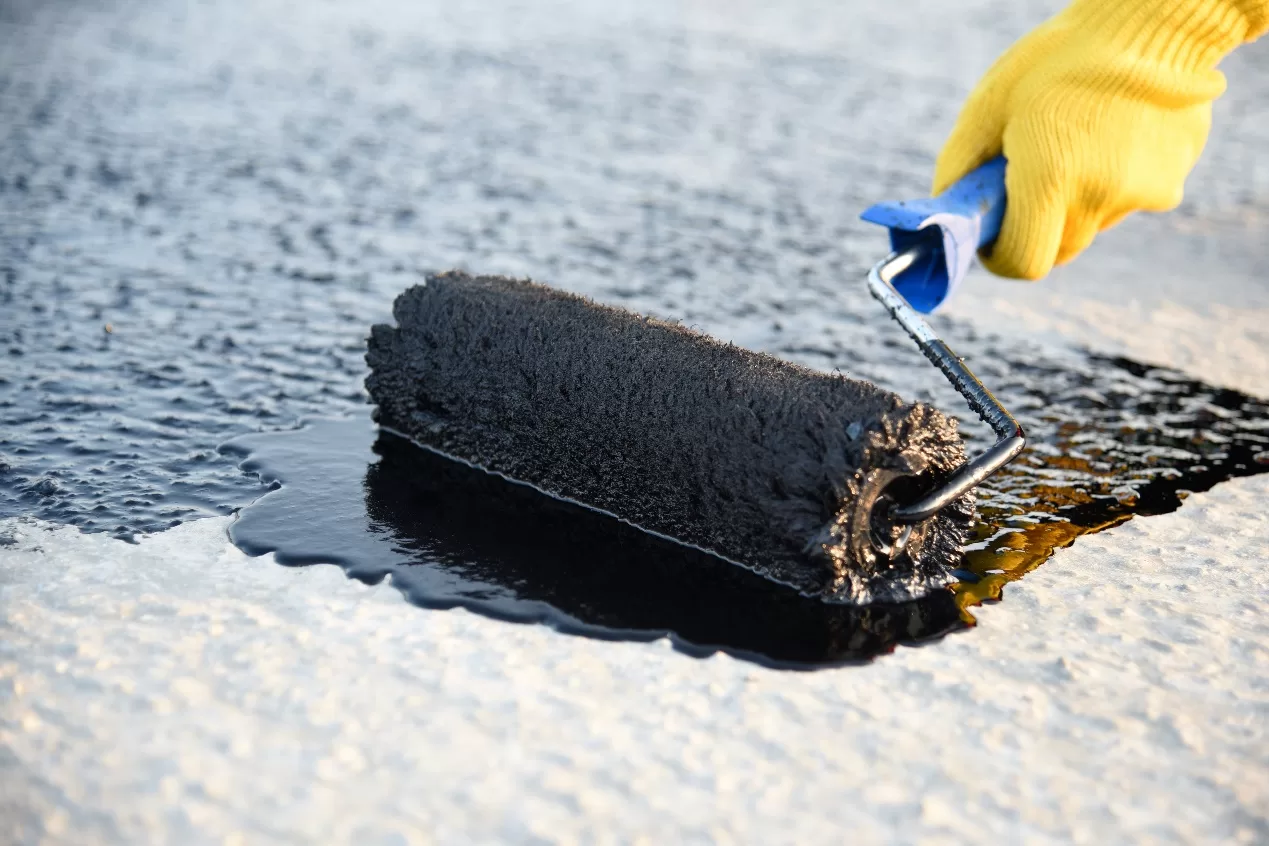
Rallychem Warm Mix Asphalt (WMA) & Bitumen Wax Modifiers:
Reduce asphalt mixing temperature by 20–30°C and boost high-temperature rutting resistance with Rallychem’s Oxidized Polyethylene Wax for Asphalt, high-melting Polyolefin & Fischer-Tropsch Waxes, and Asphalt Modifier Solutions.
When dosed at 1.5–3.0 wt% by weight of bitumen binder, specialty homopolymer polyethylene wax and oxidized polyethylene wax act as a high-efficiency warm-mix asphalt additive. Above its congealing point (~105–115 °C), the wax melts completely into the asphaltene-maltene matrix, reducing rotational viscosity at 135 °C by 30–45% and lowering asphalt mixing and paving temperatures by 15–30 °C. Below pavement service temperatures (<80 °C), the wax recrystallizes into a uniform lattice that increases softening point (Ring & Ball) by 8–14 °C and improves high-temperature rutting resistance.
Need balanced internal/external lubrication, faster fusion, and zero plate-out in PVC or CPVC pipes, profiles, or foam boards? Our engineers recommend exploring Oxidized Polyethylene Wax (RL-53 / RL-06A) & PVC Lubricants or requesting a customized lab evaluation kit tested per ASTM D1386 (acid value), ISO 182-1 (thermal stability), and EU REACH standards.
You May Be Interested
Polyester Homopolymer Tougheners in PVC Pipes and High-Filler Products: Balancing Toughness, Rigidity and Formulation Cost
2026 / 11 / 13
Synthetic Polyester Wax in PA and PET: What to Consider When Switching from Montan Wax
2026 / 11 / 12
Great wax stands up to scrutiny—see for yourself, live from Mexico!
2026 / 11 / 12
At the exhibition? RALLYCHEM is waiting for you at 6.1H15!
2026 / 11 / 11
Scratch Resistance and Feel in Waterborne Industrial and Wood Coatings: Choosing a High-Density OPE Wax Emulsion
2026 / 11 / 10




For Inquiries Please Call
Rallychem Will Be Happy To Assist You!
+86 13456396233





 English
 Español
 Français
 日本語
 한국어
 العربية
 فارسی
 Deutsch
 Italiano
 Tiếng Việt
 ไทย
 Русский
 Bahasa Indonesia
 Bahasa Melayu
 Türkçe


