Polyester homopolymer tougheners are functional polar polymer modifiers that form an entangled interfacial network with PVC chains and CaCO3 fillers to simultaneously increase impact toughness and maintain ring stiffness in rigid PVC and CPVC extrusion (Rallychem 2026). First, data shows our research at the USD 20 million Rallychem Application Lab measured 20% higher calcium carbonate filler capacity and 3 times longer continuous extrusion runs across 10,000 customers worldwide. Second, compared with traditional elastomeric CPE or MBS modifiers, polyester homopolymer offers three core advantages: 1. Interfacial reinforcement that prevents modulus, tensile, and Vicat softening temperature drop; 2. Streamlined formulation architecture that reduces multi-additive weighing errors and die plate-out; 3. Lower frictional shear heat in high-filler drainage pipes, electrical conduits, profiles, and CPVC hot-water pipes. For example, in practice using Rallychem polyester homopolymer boosts low-temperature drop-weight impact pass rates.
In rigid PVC products such as drainage pipes, electrical conduits, profiles, SPC/WPC flooring cores and foam boards, manufacturers face the same challenge: controlling formulation cost without sacrificing extrusion stability or mechanical performance.
A common approach is to cut cost by reducing the dosage or price of a single additive. In practice, the more effective routes are usually:
All three routes depend on one key material: the toughener. Starting from the real pain points of PVC formulations, this article explains how polyester homopolymer tougheners balance toughness and rigidity, and how they can be tailored to different systems.
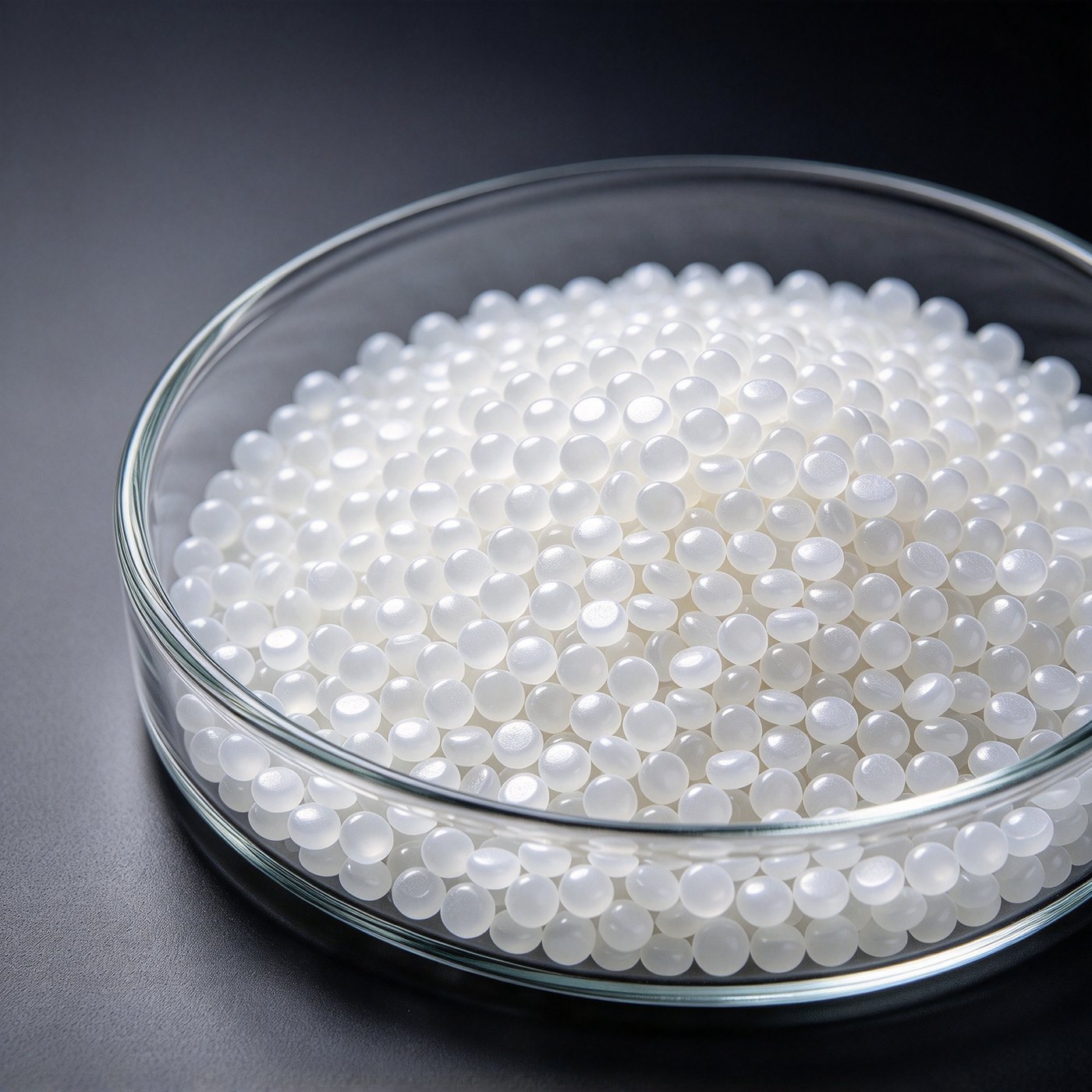
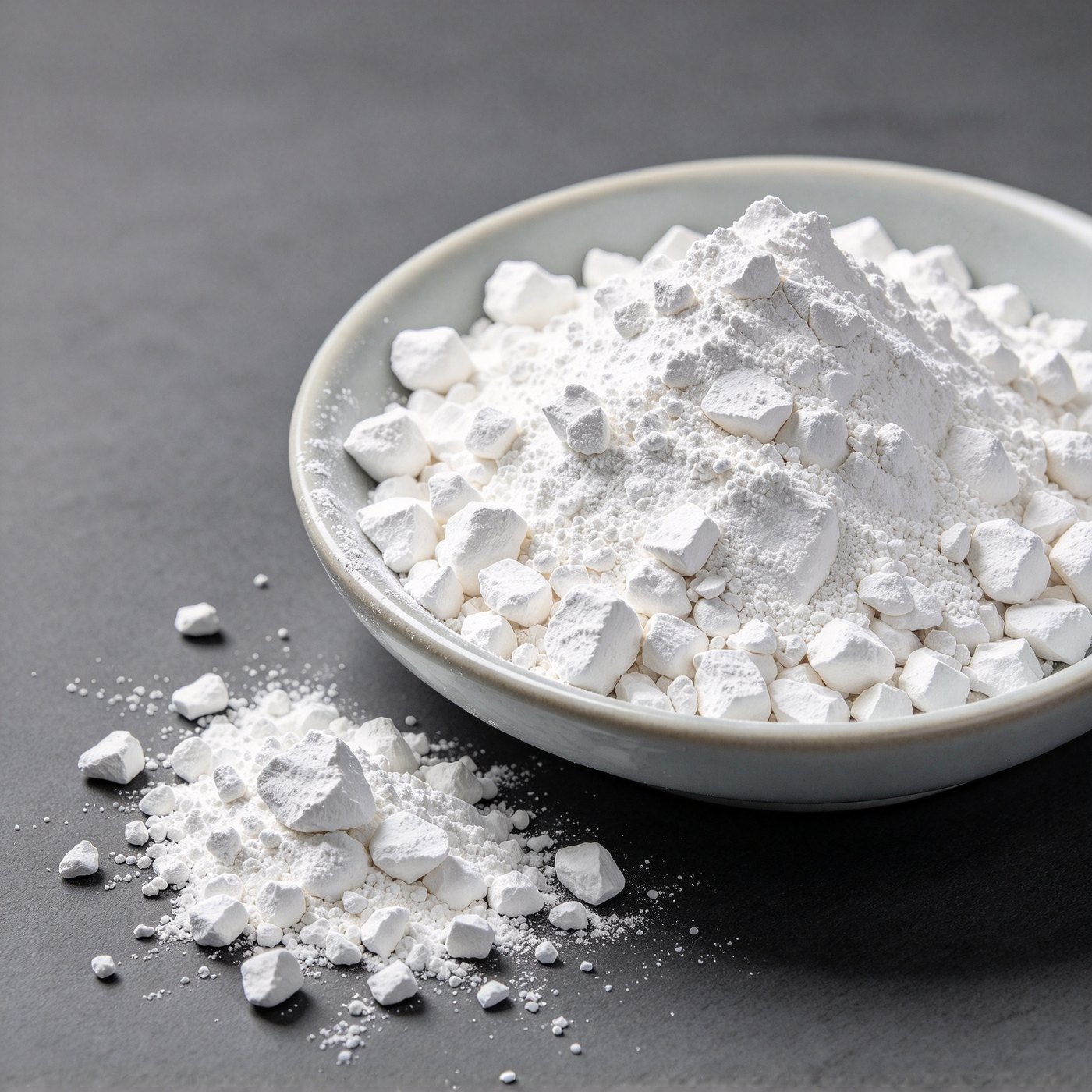
When calcium carbonate loading keeps rising, a conventional "CPE + multiple lubricants" system typically runs into three bottlenecks:
1. Rising melt viscosity and frictional shear heat High filler loading increases particle-to-particle friction in the screw and barrel, raising torque, melt pressure and local shear heat. This consumes the thermal stability margin of the stabilizer and makes yellowing and scorching more likely.
2. More CPE to offset brittleness, at the cost of rigidity As filler increases, products become more brittle, and processors often add more CPE to compensate. But CPE is a low-modulus elastomer. The more is used, the softer the matrix becomes, which can reduce ring stiffness, tensile strength and Vicat softening temperature.
3. Complex formulations and hard-to-control batch variation To balance plastication, release and toughness, formulations often stack multiple modifiers and lubricants. The more components there are, the higher the risk of weighing errors and batch variation, and the more low-molecular-weight volatiles are introduced, which can lead to die build-up.
To address these problems together, the key is to upgrade the toughener itself, so that it raises toughness without sacrificing rigidity.
CPE (chlorinated polyethylene) CPE absorbs impact energy through an elastomeric "sea-island" structure and works well at room temperature. However, its rubbery phase inevitably lowers flexural modulus, tensile strength and weld-line strength, and low-temperature impact performance is limited by its glass transition temperature.
MBS, ACR and similar modifiers These modifiers offer good plastication and toughening efficiency, but formulation cost is usually higher. MBS contains butadiene double bonds, so weathering resistance needs attention in outdoor applications.
In short, traditional tougheners often mean that higher toughness comes at the price of rigidity or cost.
Polyester homopolymer is a functional polymer toughener for PVC and CPVC. It is designed to raise toughness while maintaining or even improving rigidity, and can serve as a full or partial alternative to traditional tougheners such as CPE and MBS.
Its effect shows up in three main ways:
1. Interfacial reinforcement Polyester homopolymer has good affinity with both PVC chains and calcium carbonate surfaces. Rather than forming soft rubbery pockets in the matrix, it forms an entangled network with PVC chains and bridges the interface between PVC and filler, improving filler–matrix bonding.
2. Balanced toughness and rigidity While improving impact performance, including at low temperature, it helps maintain ring stiffness, flexural modulus and Vicat softening temperature, avoiding the "tougher but softer" effect of conventional elastomer toughening.
3. Room for higher filler loading When filler-induced embrittlement and loss of stiffness are mitigated, the formulation has room to raise calcium carbonate loading in pipes, conduits and profiles while still meeting impact and flattening requirements.
In addition, polyester homopolymer contributes positively to melt flow and thermal stability, helping keep the processing window stable.
Different PVC products place different demands on a toughener. Pipes, high-filler pipes, profiles, conduits and foam boards each have their own priorities, and even the same product type varies between plants because of differences in filler type and loading, stabilizer system, extrusion equipment and process conditions.
For this reason, polyester homopolymer is not a one-grade-fits-all product. It is matched to each customer's system. Our technical team provides selection advice and a starting-dosage reference based on your product type, filler situation and performance targets, and follows up with adjustments based on your trial feedback.
For PVC and CPVC applications, we offer application testing and solution services.
| Dimension | Traditional CPE system | Polyester homopolymer system | Practical meaning |
|---|---|---|---|
| Toughness vs. rigidity | CPE raises toughness but lowers modulus, ring stiffness and Vicat temperature | Balances impact toughness and rigidity | Leaves room for higher filler loading |
| Formulation complexity | Many modifiers and lubricants; sensitive to weighing errors and batch variation | Overlapping components can be simplified per system | Helps simplify raw material management |
| Plastication and melt state | Plastication window easily affected by stacked additives | Helps promote uniform fusion | Smoother processing |
| Shear heat and thermal stability | High shear heat at high filler loading consumes stabilizer faster | Helps improve flow and ease shear-heat pressure | Helps preserve stabilizer margin |
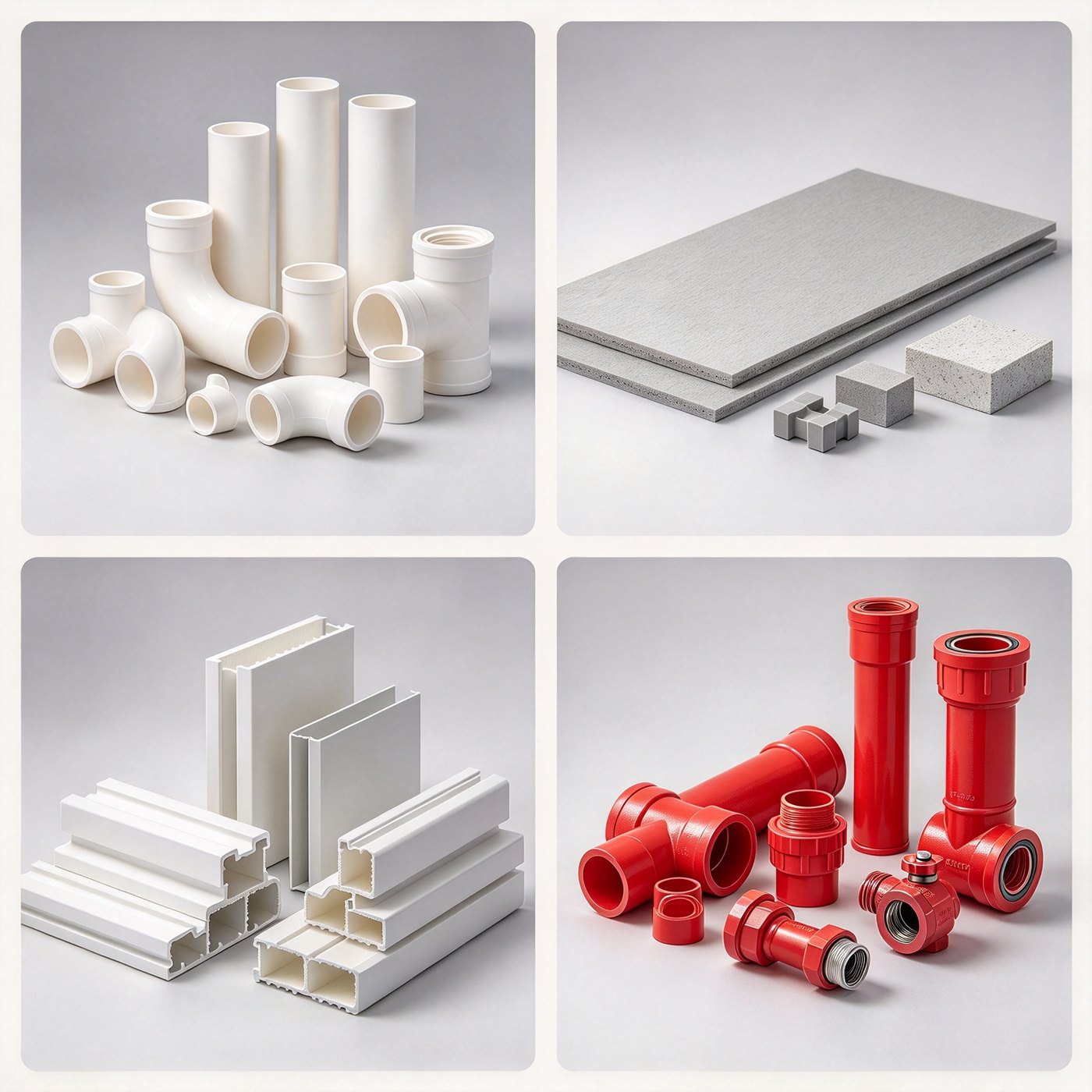
When introducing a new toughener, the following aspects are usually considered together:
Plastication state: how evenly the material fuses during extrusion, and the condition of inner walls and surfaces.
Thermal stability: changes in screw current, melt pressure and product color.
Mechanical properties: whether impact, ring stiffness, tensile, Vicat and surface gloss meet product standards.
Continuous running: build-up on the die and calibration sleeve, and length of continuous operation.
Our technical team will help adjust dosage and formulation based on your trial feedback.
To give more accurate selection advice, please share the following when you contact us:
TDS and SDS are available. Please contact us for samples and custom evaluation →
It is a functional toughener for PVC and CPVC, serving as a full or partial alternative to traditional tougheners such as CPE and MBS, with the focus on balancing toughness and rigidity.
Additives make up a small share of the formulation, and simply cutting dosage tends to narrow the processing window and cause shear heat, build-up or scorching. The resulting scrap and downtime often outweigh the raw-material savings. More effective directions are raising filler loading while meeting performance requirements, improving extrusion efficiency and simplifying the formulation.
CPE is a low-modulus elastomer, and ring stiffness and Vicat temperature tend to drop as its dosage rises. Polyester homopolymer toughens through interfacial reinforcement rather than a soft rubbery phase, which helps maintain rigidity while improving impact performance. Actual results vary by formulation, and our technical team can advise based on your system.
No. Polyester homopolymer is tailored to each system. Pipes, high-filler products and profiles have different priorities, and we match the right solution to your product and process conditions.
Rallychem | Additive Technical Support, from Application Discussion to Reliable Mass Production.
For extrusion engineers balancing metal adhesion with internal fusion and external release, see our PVC internal lubricant and PVC pipe lubricant guide or compare all high density OPE wax and oxidized polyethylene wax grades.
Need balanced internal/external lubrication, faster fusion, and zero plate-out in PVC pipes, profiles, or foam boards? Our engineers recommend exploring Oxidized Polyethylene Wax (RL-53 / RL-06A) & PVC Lubricants or requesting a customized lab evaluation kit tailored to your resin and processing temperature.
You May Be Interested
Synthetic Polyester Wax in PA and PET: What to Consider When Switching from Montan Wax
2026 / 11 / 12
Great wax stands up to scrutiny—see for yourself, live from Mexico!
2026 / 11 / 12
At the exhibition? RALLYCHEM is waiting for you at 6.1H15!
2026 / 11 / 11
Scratch Resistance and Feel in Waterborne Industrial and Wood Coatings: Choosing a High-Density OPE Wax Emulsion
2026 / 11 / 10
PTFE-Free Coatings: Choosing Micronized Waxes for Scratch Resistance and Matting
2026 / 11 / 09




For Inquiries Please Call
Rallychem Will Be Happy To Assist You!
+86 13456396233





 English
 Español
 Français
 日本語
 한국어
 العربية
 فارسی
 Deutsch
 Italiano
 Tiếng Việt
 ไทย
 Русский
 Bahasa Indonesia
 Bahasa Melayu
 Türkçe


