Imagine a world where the plastics we use in our daily lives are not only safe and harmless but also reduce the burden on the environment.
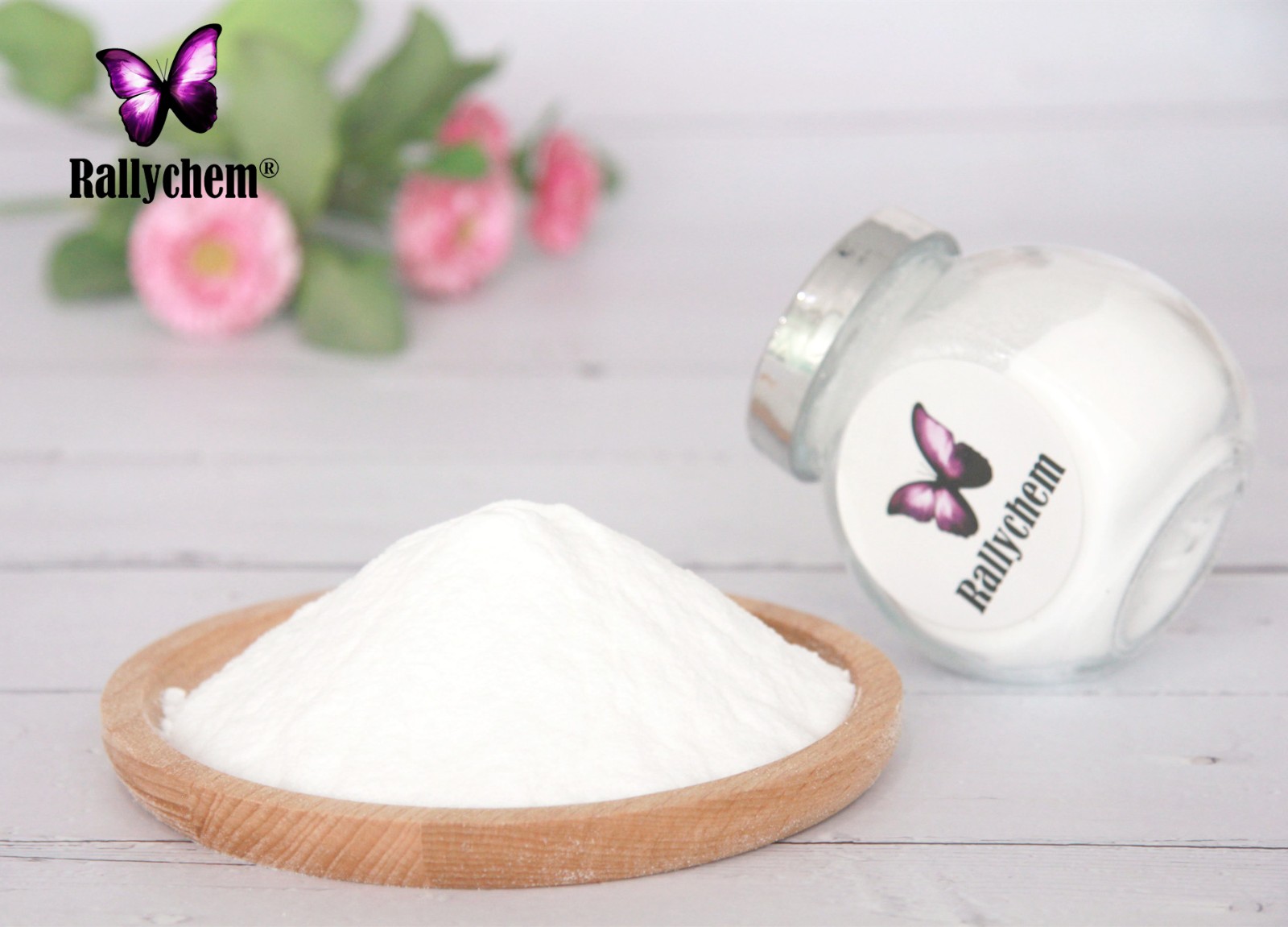
CPVC is such a material. Derived from petroleum and the sea, it retains the excellent properties of PVC while reducing the use of additives, being free of heavy metals like lead and mercury, and having a smaller impact on the environment.
After chlorination, CPVC’s molecular structure becomes more stable, with significantly improved heat resistance and corrosion resistance. It is not only environmentally friendly but also highly recyclable, with a service life of up to 30 years. The production process typically includes a small amount of additives such as Rallychem polyester homopolymers and Rallychem polyester waxes, greatly reducing resource waste.
Moreover, CPVC has strong recyclability. The normal service life of CPVC pipes can reach up to 30 years, and with this long service period, the frequency of recycling is significantly reduced. Discarded CPVC materials can also be recycled and reused in nature, greatly reducing resource waste and environmental pollution. At the same time, the CPVC production process places greater emphasis on environmental protection, using advanced production technologies and environmentally friendly materials, making the entire production process greener and more sustainable.
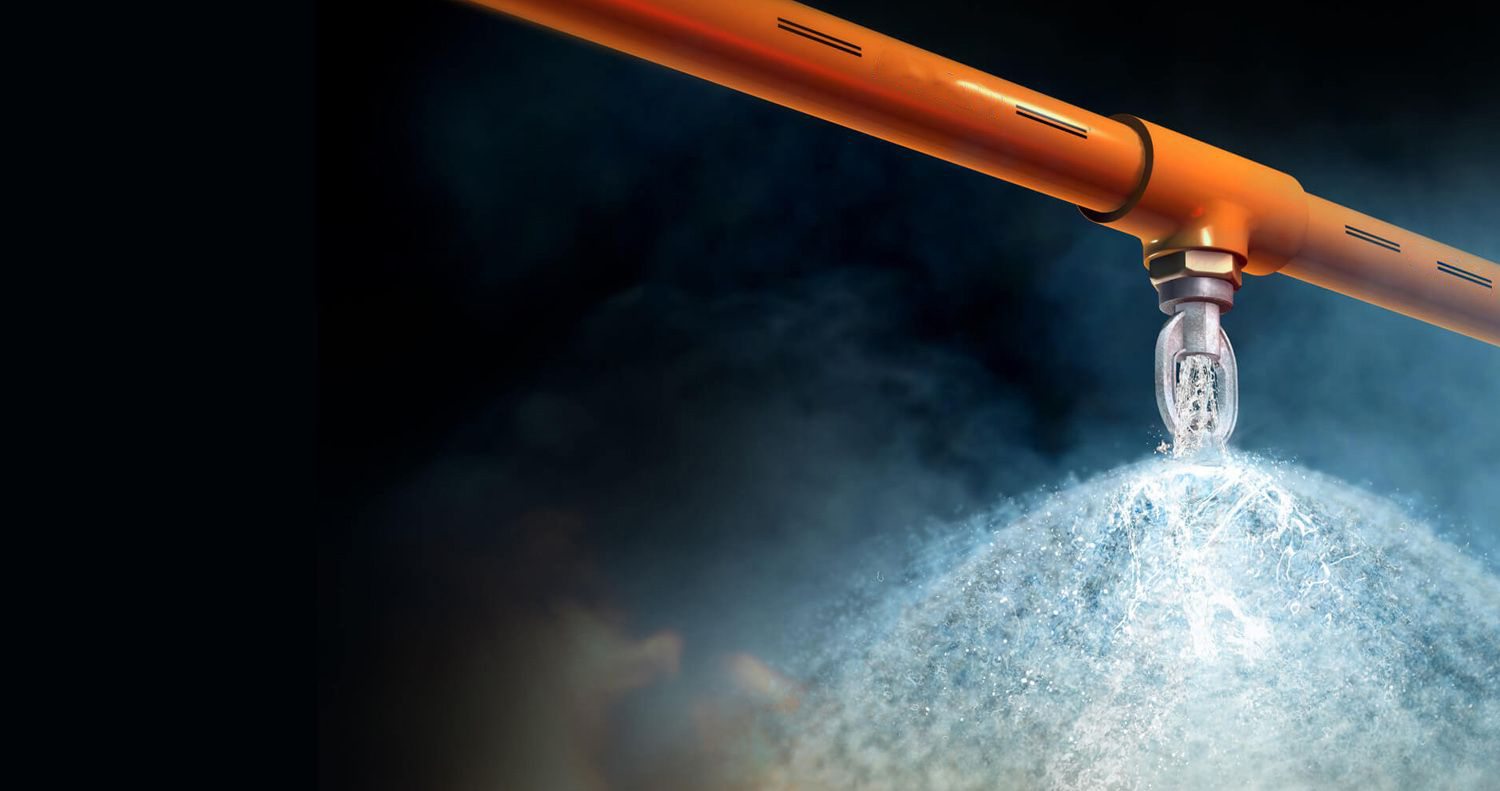
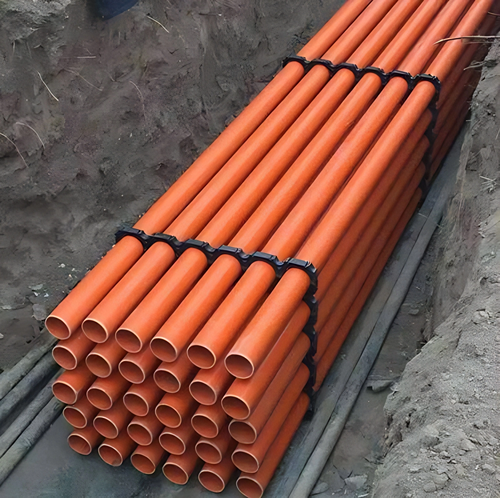
The advantages of CPVC are not only reflected in its environmental performance but also in its competitive strength in application fields. Due to its excellent resistance to high temperatures, corrosion, and pressure, CPVC is widely used in environments requiring high pressure, strong corrosiveness, and strong stability, such as communications, fire protection sprinkler systems, and medical applications. It not only enhances the safety and reliability of equipment but also promotes the green development of these industries.
You May Be Interested
The “Stumbling Block” in Continuous PVC Production: Persistent White Powder
2026 / 09 / 30
A Supplier Looking at Suppliers: Where Is the Real Difference Between CPVC Lubricant Suppliers?
2026 / 09 / 29
CPVC Resin Switching: Why a Lower-Cost Resin Can Reduce Extrusion Output
2026 / 09 / 28
Save Around 20% Per Ton — While Keeping Pipe Performance on Spec
2026 / 09 / 25
CPVC Pipe Flow Marks and Scorching After Resin Replacement: How to Troubleshoot Extrusion Problems?
2026 / 09 / 23




For Inquiries Please Call
Rallychem Will Be Happy To Assist You!
+86 13456396233





 English
  Español
  Français
  日本語
日本語  한국어
한국어  العربية
  فارسی
فارسی  Deutsch
  Italiano
  Tiếng Việt
  ไทย
ไทย  Русский
  Bahasa Indonesia
  Bahasa Melayu
  Türkçe


