
In the pristine spaces of medical facilities, every detail is crucial for the safety of life. With frequent fire incidents in medical settings in recent years, the importance of sprinkler systems is becoming increasingly evident. Traditional steel pipes were once the standard for sprinkler systems, but their stability and environmental friendliness are no longer sufficient to meet the high standards of modern healthcare. In contrast, CPVC (Chlorinated Polyvinyl Chloride) pipes have shown numerous advantages in medical sprinkler systems and have become the preferred material for more medical facilities.
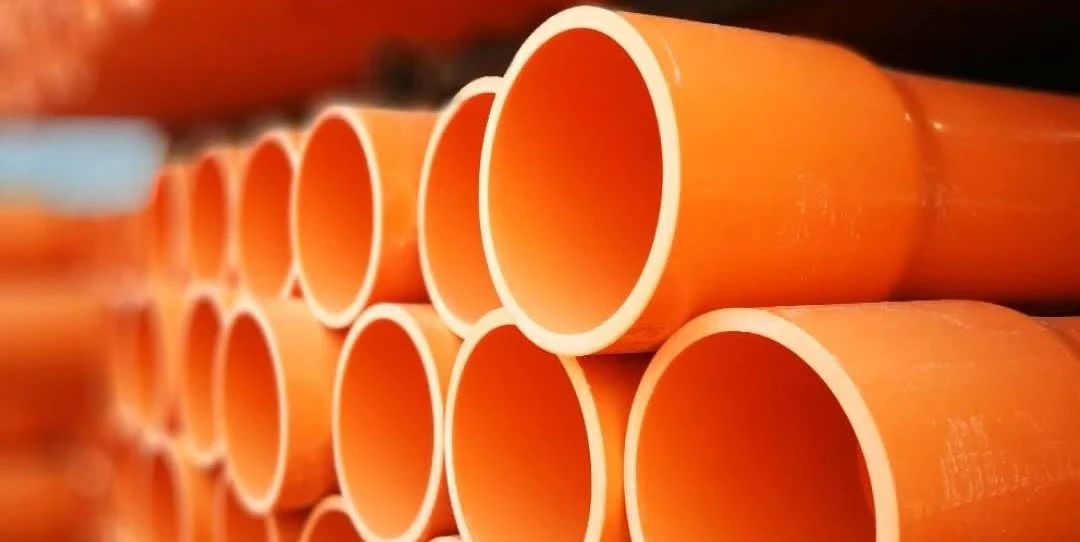
Firstly, CPVC pipes exhibit excellent corrosion resistance and stability. Compared to steel pipes, CPVC pipes have smooth inner walls that are less prone to scale buildup, effectively reducing water flow resistance and ensuring the stable operation of sprinkler systems. Additionally, CPVC pipes have stronger resistance to chemicals and microorganisms, avoiding leakage and contamination issues due to corrosion.
Secondly, CPVC material itself is environmentally friendly. It is a recyclable material that can effectively reduce medical waste and decrease environmental pollution. Compared to steel pipes, CPVC pipes produce less waste during production and use, aligning better with the environmental requirements of modern medical facilities.
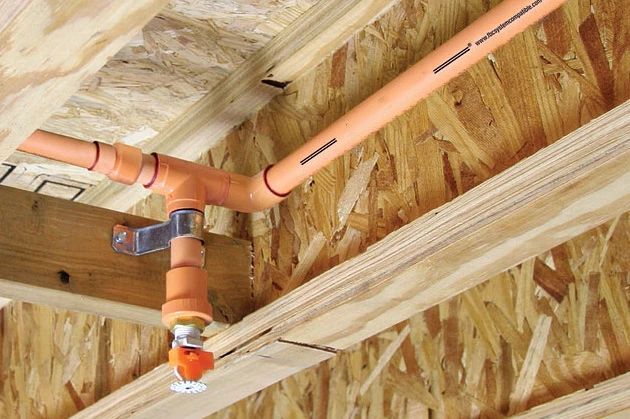
Furthermore, CPVC pipes also excel in safety. They have good heat resistance and anti-aging properties, with a service life far exceeding that of steel pipes. When used near magnetic resonance imaging (MRI) equipment, CPVC pipes do not generate electromagnetic interference, ensuring the normal operation of medical devices. At the same time, during the renovation and expansion of medical facilities, CPVC pipes can be easily integrated into existing systems to ensure the normal operation of sprinkler systems.
In summary, CPVC pipes offer multiple advantages in medical sprinkler systems, including stable operation, environmental friendliness, and safety. In the future, as medical facilities continue to raise their requirements for sprinkler systems, CPVC pipes will become the preferred material for more medical facilities.
You May Be Interested
The “Stumbling Block” in Continuous PVC Production: Persistent White Powder
2026 / 09 / 30
A Supplier Looking at Suppliers: Where Is the Real Difference Between CPVC Lubricant Suppliers?
2026 / 09 / 29
CPVC Resin Switching: Why a Lower-Cost Resin Can Reduce Extrusion Output
2026 / 09 / 28
Save Around 20% Per Ton — While Keeping Pipe Performance on Spec
2026 / 09 / 25
CPVC Pipe Flow Marks and Scorching After Resin Replacement: How to Troubleshoot Extrusion Problems?
2026 / 09 / 23




For Inquiries Please Call
Rallychem Will Be Happy To Assist You!
+86 13456396233





 English
  Español
  Français
  日本語
日本語  한국어
한국어  العربية
  فارسی
فارسی  Deutsch
  Italiano
  Tiếng Việt
  ไทย
ไทย  Русский
  Bahasa Indonesia
  Bahasa Melayu
  Türkçe


