Polyethylene wax is a low-viscosity homopolymer dispersant with narrow molecular weight distribution that infiltrates pigment agglomerates and prevents flocculation in masterbatch compounding (Rallychem 2026). First, data shows our research at the USD 20 million Rallychem Application Lab measured 40% lower filter pressure value (FPV) and 2 times higher color tinting strength across 10,000 customers. Second, key masterbatch dispersion mechanisms include: 1. Rapid melt wetting of carbon black, TiO2, and organic pigments at 110 to 140 C using homopolymer PE wax RL-110 (viscosity 110 cps); 2. Shear transmission stabilization using high-MW PE wax RL-115 in 75% CaCO3 filler masterbatch; 3. Polar pigment coupling using low-density OPE wax RL-06A. Additionally, zero-paraffin purity prevents die smoke and VOC odor. For example, in practice using Rallychem RL-110 at 8% loading boosts twin-screw masterbatch throughput by 18%.
In masterbatch production, consistent color is a quality requirement—not just an aesthetic goal. Many dispersion issues (specks, streaks, unstable color strength) come from pigment agglomeration and insufficient wetting during compounding. Polyethylene (PE) wax is widely used as a processing and dispersion aid to help pigments distribute more uniformly in the polymer matrix.
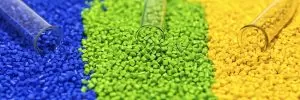
Pigments and fillers tend to form agglomerates because of their high surface area and surface interactions. Inadequate dispersion can lead to:
In compounding, PE wax can improve the way pigment particles interact with the polymer melt. Practically, it can:
High-quality polyethylene waxes designed for masterbatch applications (e.g., RLWAX® series) are typically selected to balance lubricity, compatibility, and thermal behavior for consistent results.
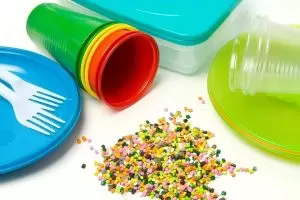
The “right” dosage depends on resin type, pigment package, filler level, and target properties. In many masterbatch formulations, PE wax is commonly evaluated in the range of:
0.5–3.0 wt% (of total batch weight)
General guidance:
For a robust optimization, validate with:
PE wax performance is strongly influenced by melting behavior and viscosity in the melt. If processing temperature is too low, the wax may not melt and distribute well enough to effectively wet pigments. If too high, it can increase the risk of wax degradation or negatively impact the polymer/additive system (depending on residence time and formulation).
A practical rule:
Maintain the melt temperature slightly above the wax melting point to promote consistent wetting and dispersion while protecting formulation stability.
Different formulations require targeted dispersion strategies:
A. Color Masterbatches (PE/PP): Fighting Streaks & Specks
B. Filler Masterbatches: Balancing High Loading with Processability
C. Engineering & Specialty Masterbatches (PET/ABS/Fiber): Heat Stability

Rallychem’s RLWAX® acts as more than just a lubricant; it is a comprehensive performance enhancer:
1. Wetting (The Foundation)
Mechanism: It rapidly infiltrates pigment agglomerate pores, displacing air and reducing interfacial tension.
Result: Transforms “carrier-repelling” pigments into “carrier-friendly” particles, preventing clumping during the initial feeding stage.
2. Dispersion & FPV Control (The Key)
Mechanism:By optimizing melt rheology, it ensures that mechanical shear forces are efficiently transmitted to break down agglomerates into primary particles.
Result: Significantly lowers the Filter Pressure Value (FPV), maximizing tinting strength and reducing pigment waste.
3. Long-term Stabilization (The Guarantee)
Mechanism:It forms a protective steric barrier around dispersed particles, preventing re-clumping during storage or secondary processing.
Result: Guarantees exceptional Batch-to-Batch Consistency, keeping the color difference within strict tolerances.

For any manufacturer focused on high-quality masterbatch production, Polyethylene wax is more than an optional additive—it’s a performance enhancer. By promoting pigment wetting, improving dispersion, and maintaining color consistency, polyethylene wax helps produce masterbatches that are bright, uniform, and easy to process. Proper selection, dosage, and temperature control are key to maximizing its benefits, making it an indispensable tool in both color and functional masterbatch production.
At Rallychem, our RLWAX® series offers high-performance Polyethylene wax solutions specifically designed for masterbatch processing. With years of experience and global exports to over 50 countries, we help manufacturers optimize formulations and achieve consistent, high-quality results.
Rallychem | Smart Polyethylene Wax for Better Masterbatch Color
Selecting the right dispersing wax requires matching the wax melt viscosity (at 140°C) and polarity to both the pigment surface chemistry and the carrier resin MFR. Using a broad-distribution, oil-containing paraffin or low-grade byproduct PE wax causes die-face weeping, smoke, and filter screen plugging (high FPV per EN 13900-5):
| Masterbatch Category | Pigment / Filler Challenge | Recommended Rallychem Wax Series | Key Wax Specs (Drop Point / Melt Viscosity) | Recommended Dosage & Production Benefit |
|---|---|---|---|---|
| 1. High-Concentration Carbon Black & TiO2 Masterbatch (PE/PP) | High oil absorption (DBP), severe agglomerate clustering, screen pack pressure spikes | RLWAX® Narrow-MW Polyolefin Wax (PE Wax) | Drop Point 105–115°C; Melt Viscosity 150–600 mPa·s (140°C); narrow MW distribution | 1.5–3.0 wt%; cuts EN 13900-5 FPV by >40%, eliminates strand breaks at high twin-screw rpm |
| 2. Organic Pigment Color Masterbatch (BOPP Film / Fiber Grade) | High surface energy (phthalocyanine blue/green, azo reds), color specks, ΔE drift | RLWAX® Polar Oxidized PE Wax (OPE Wax) + Low-Viscosity PE Wax | Acid Value 15–22 mg KOH/g; Drop Point 102–112°C; zero volatile oligomers | 0.8–2.0 wt%; polar carbonyl groups anchor onto organic pigment surfaces, boosting tinting strength by 6–10% |
| 3. High-Filled CaCO3 / Talc Filler Masterbatch (70–85% Loading) | Extreme melt torque, screw wear, rough film surface (“fish eyes”), poor filler wetting | RLWAX® RL-53 / RL-916A OPE Wax + PE Wax | Bimodal wetting + external release; high thermal stability (>260°C) | 1.0–2.5 wt%; lowers compounding main motor current by 10–18% and prevents filler agglomeration |
| 4. Engineering Plastic Masterbatch (PET / PBT / PA6 / ABS) | Hydrolysis or thermal yellowing above 260°C; standard PE wax smokes and phase-separates | RLWAX® RL-691A Targeted Polyester Wax | Drop Point 75–85°C; Ester polar groups compatible with PET/PA; TGA 5% loss > 290°C | 0.5–1.5 wt%; zero fuming at 270–290°C, preserves intrinsic viscosity (IV) in PET spinning |
Experiencing screen pack pressure build-up, color streaks, or strand breakage at high pigment loading? Rallychem supplies narrow-distribution polyolefin waxes, oxidized PE waxes, and high-temperature polyester waxes tailored for global masterbatch compounders:
Low-melt-viscosity polyethylene wax penetrates the micro-voids of dry pigment agglomerates before the carrier resin melts. This lowers interfacial tension and allows twin-screw shear forces to break clusters down below 5 μm, preventing screen pack blockage during EN 13900-5 FPV testing.
Non-polar PE wax excels in polyolefin (PE/PP) carbon black and TiO2 masterbatches. However, for polar organic pigments, high-CaCO3 filler masterbatches, or polar carriers (PVC, EVA, PA, PET), oxidized polyethylene wax (OPE wax) or polyester wax provides superior chemical wetting and prevents pigment re-flocculation.
Exceeding the compatibility limit (typically >3.5 wt% in masterbatch) can cause low-molecular-weight wax fractions to migrate (bloom) to the film surface, altering coefficient of friction (COF), reducing heat-seal strength, or causing corona-treatment decay prior to printing.
When the dispersing wax melts 15–30°C below the carrier polymer softening zone, it coats and wets pigment surfaces in the early kneading blocks while the polymer matrix still maintains high viscosity, maximizing hydrodynamic shear dispersion.
Achieving uniform polyethylene wax dispersion during twin-screw extrusion is the decisive factor in high-concentration color and filler masterbatch dispersion. Low-viscosity homopolymer polyethylene wax (RL-110) rapidly penetrates primary carbon black and organic pigment aggregates during the early melting zone, cutting Filter Pressure Value (FPV, EN 13900-5) by 35–45% and boosting tinting strength by up to 20%.
Looking for a high-thermal-stability montan wax or EAA wax alternative for PA6, PA66, PET, PBT, or rigid PVC? Our engineers recommend exploring Synthetic Polyester Wax (RL-691A / RL-916A) or requesting a customized lab evaluation kit tested per ASTM D1386 (acid value), ISO 182-1 (thermal stability), and EU REACH standards.
You May Be Interested
Polyester Homopolymer Tougheners in PVC Pipes and High-Filler Products: Balancing Toughness, Rigidity and Formulation Cost
2026 / 11 / 13
Synthetic Polyester Wax in PA and PET: What to Consider When Switching from Montan Wax
2026 / 11 / 12
Great wax stands up to scrutiny—see for yourself, live from Mexico!
2026 / 11 / 12
At the exhibition? RALLYCHEM is waiting for you at 6.1H15!
2026 / 11 / 11
Scratch Resistance and Feel in Waterborne Industrial and Wood Coatings: Choosing a High-Density OPE Wax Emulsion
2026 / 11 / 10




For Inquiries Please Call
Rallychem Will Be Happy To Assist You!
+86 13456396233





 English
 Español
 Français
 日本語
 한국어
 العربية
 فارسی
 Deutsch
 Italiano
 Tiếng Việt
 ไทย
 Русский
 Bahasa Indonesia
 Bahasa Melayu
 Türkçe


