Chlorinated Polyvinyl Chloride (CPVC) resin, known for its exceptional physical and chemical properties, is becoming increasingly important in the plastics industry. This article presents an in-depth analysis of the two main methods of CPVC resin production: Solid Phase Process and Liquid Phase Process, highlighting their advantages and disadvantages in terms of product performance, cost, and production stability.

The Solid Phase process is an advanced production technique that involves placing PVC resin in a fluidized bed and subjecting it to a chlorination reaction under the catalytic effect of ultraviolet light, efficiently converting it into CPVC resin. The advantages of this method include lower corrosiveness to equipment, higher product purity, and the ability to produce CPVC resin with a chlorine content exceeding 68%.
In the Solid Phase process, temperature control is a critical factor. Fluctuations in temperature may lead to resin agglomeration and color variation, which not only reduce the product’s appearance quality but may also affect its performance stability.
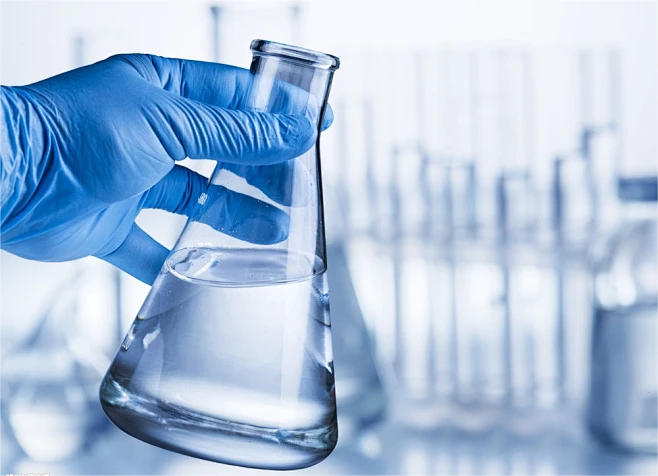
The Liquid Phase process involves suspending powdered PVC resin in water and carrying out a chlorination reaction with the aid of additives. The Liquid Phase process is favored by the majority of CPVC resin manufacturers due to its simplicity, cost-effectiveness, and ease of color control.
CPVC resin produced by the Liquid Phase process typically has a lower chlorine content than that produced by the Solid Phase process. Generally, the chlorine content of CPVC resin obtained by the Liquid Phase process ranges from 64% to 67%. However, some leading international companies have managed to increase the chlorine content to over 70% by adopting more advanced Liquid Phase processes, although this usually entails higher production costs.
The production process of CPVC resin not only determines its performance but also relates to production costs and market competitiveness.
Rallychem Chemical has extensive experience in CPVC pipe production, specializing in reducing the initial production costs for our clients. We excel in addressing challenges such as charring, limited processing range, insufficient toughness, inadequate gloss, and high costs. Our one-stop CPVC product solutions, from design to delivery, ensure a seamless and efficient manufacturing process.
For more information, please contact us.
You May Be Interested
The “Stumbling Block” in Continuous PVC Production: Persistent White Powder
2026 / 09 / 30
A Supplier Looking at Suppliers: Where Is the Real Difference Between CPVC Lubricant Suppliers?
2026 / 09 / 29
CPVC Resin Switching: Why a Lower-Cost Resin Can Reduce Extrusion Output
2026 / 09 / 28
Save Around 20% Per Ton — While Keeping Pipe Performance on Spec
2026 / 09 / 25
CPVC Pipe Flow Marks and Scorching After Resin Replacement: How to Troubleshoot Extrusion Problems?
2026 / 09 / 23




For Inquiries Please Call
Rallychem Will Be Happy To Assist You!
+86 13456396233





 English
  Español
  Français
  日本語
日本語  한국어
한국어  العربية
  فارسی
فارسی  Deutsch
  Italiano
  Tiếng Việt
  ไทย
ไทย  Русский
  Bahasa Indonesia
  Bahasa Melayu
  Türkçe


