CPVC pipes, known for their excellent heat resistance, corrosion resistance, and flame retardancy, are widely used in various fields. However, there are some common misconceptions about CPVC pipes. Have you been misled?
In fact, CPVC pipes have excellent flame retardancy and are not easily combustible when exposed to fire. They do not melt quickly either. CPVC has a high Vicat softening temperature and is self-extinguishing. When burned in an open flame, it forms a layer of carbonized protection, maintaining its shape and strength even at high temperatures.

Different manufacturers have technical differences in raw material selection, production processes, and quality control, leading to variations in performance and quality.
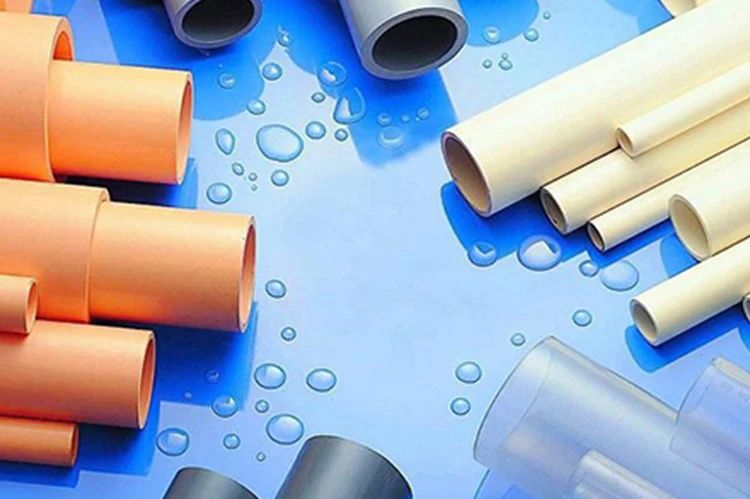
For example, reputable manufacturers, due to their financial, technological, and processing advantages, will produce different qualities in terms of equipment, formulation, and product performance (pressure burst tests, impact resistance tests, hardness tests). There are also practices in the market of using UPVC or PVC electrical conduits as CPVC pipes. Therefore, when choosing CPVC pipes, it is advisable to opt for high-reputation brands to avoid losses.
The price of CPVC pipes varies depending on the brand, specifications, and quality, but overall, it is not much higher than traditional pipes. However, considering its outstanding performance and longer service life, CPVC’s excellent corrosion resistance, anti-aging, high mechanical strength, and good insulation mean that its design life can typically reach at least 50 years or more. From a long-term perspective, CPVC pipes offer high value for money.
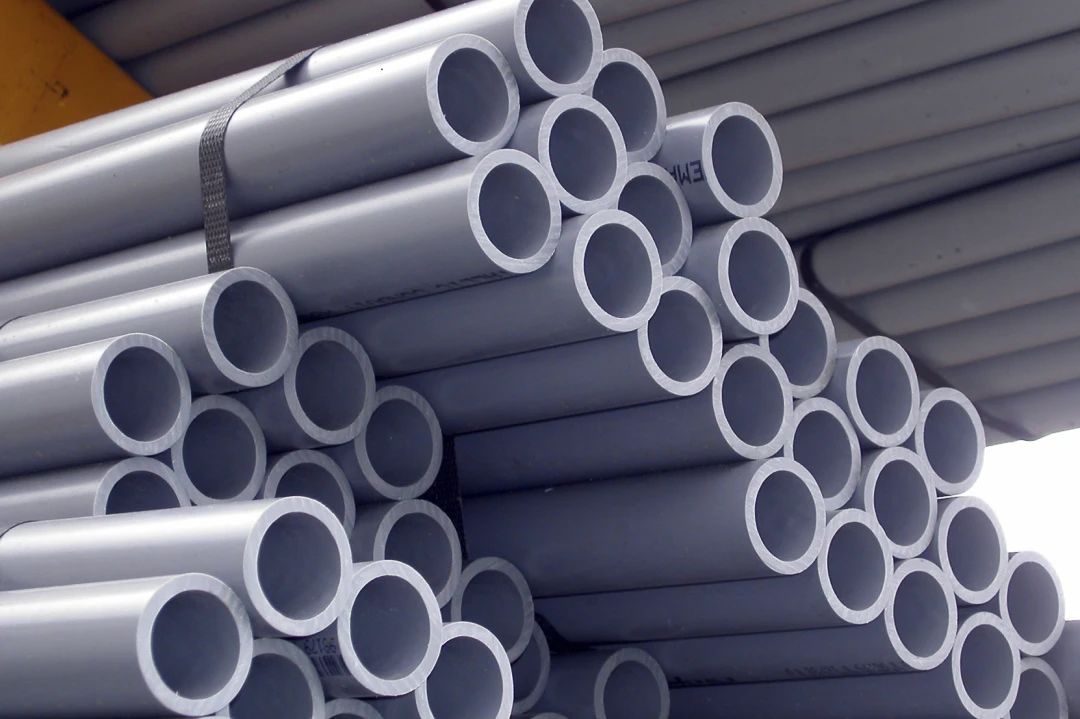
CPVC pipes are an environmentally friendly material. CPVC is derived from natural sources such as the ocean and petroleum, and it does not release harmful substances during production and use, thus causing no pollution to the environment.

Moreover, since CPVC originates from nature, it can be recycled and reused, reducing resource consumption and environmental pollution. Some European countries have already incorporated CPVC recycling into their local policies.
In reality, the installation of CPVC pipes is not complicated. Due to their lightweight material, they are easy to handle and construct, and they possess good flexibility and plasticity, making the installation process more convenient and faster. One to two people can complete the installation of a large area of CPVC pipes, and most of the time, it can be done noiselessly. Therefore, there is no need to worry about the installation of CPVC pipes.
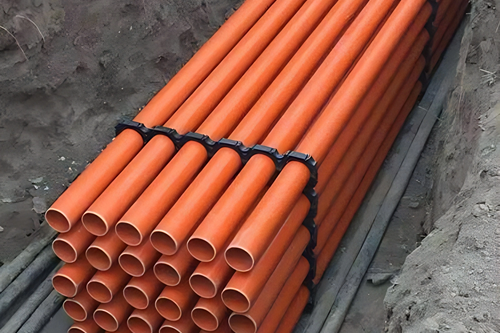
In summary, we should discard these misconceptions about CPVC pipes, correctly understand and recognize their advantages and characteristics, so as to better apply and promote them.
You May Be Interested
The “Stumbling Block” in Continuous PVC Production: Persistent White Powder
2026 / 09 / 30
A Supplier Looking at Suppliers: Where Is the Real Difference Between CPVC Lubricant Suppliers?
2026 / 09 / 29
CPVC Resin Switching: Why a Lower-Cost Resin Can Reduce Extrusion Output
2026 / 09 / 28
Save Around 20% Per Ton — While Keeping Pipe Performance on Spec
2026 / 09 / 25
CPVC Pipe Flow Marks and Scorching After Resin Replacement: How to Troubleshoot Extrusion Problems?
2026 / 09 / 23




For Inquiries Please Call
Rallychem Will Be Happy To Assist You!
+86 13456396233





 English
  Español
  Français
  日本語
日本語  한국어
한국어  العربية
  فارسی
فارسی  Deutsch
  Italiano
  Tiếng Việt
  ไทย
ไทย  Русский
  Bahasa Indonesia
  Bahasa Melayu
  Türkçe


