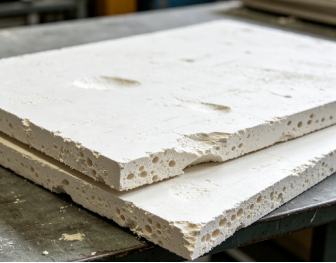
يمكن أن تظهر مشاكل بثق ألواح الرغوة البلاستيكية بعدة طرق: اختلاف السُمك، أو تغيرات الكثافة، أو الأسطح الخشنة، أو ضغط الذوبان غير المستقر، أو بنية الخلية الضعيفة، أو تراكم القالب.
عند حدوث هذه المشكلات، غالبًا ما يكون تغيير جرعة الشمع أحد التعديلات الأولى التي يتم أخذها في الاعتبار. ومع ذلك، الشمع هو متغير واحد فقط في نظام البثق. قد يكون نفس عيب المعالجة مرتبطًا أيضًا بالقالب، أو درجة الحرارة، أو استقرار التغذية، أو المواد الخام، أو ظروف الرغوة، أو التفاعلات بين عدة عوامل.
وبالتالي فإن النهج الأكثر موثوقية هو تحديد الأعراض أولاً، واستبعاد متغيرات المعالجة الشائعة، ثم تحديد ما إذا كان نظام التشحيم يساهم بالفعل في المشكلة.
1. حدد مشكلة البثق الفعلية أولاً
قبل تغيير الصياغة، حدد المشكلة على وجه التحديد قدر الإمكان. يمكن أن تشير الأعراض المختلفة إلى أسباب مختلفة جدًا.
| مشكلة ملحوظة |
عوامل يجب التحقق منها أولاً |
| اختلاف سمك |
فجوة القالب، المعايرة، استقرار الإخراج، ضغط الذوبان |
| تباين الكثافة |
ظروف الرغوة، درجة حرارة الذوبان، بنية الخلية، الإخراج |
| سطح خشن أو غير مستو |
الانصهار، حالة القالب، درجة الحرارة، التشحيم |
| تراكم الموت |
درجة حرارة القالب، التشحيم الخارجي، التوافق الإضافي |
| ضغط ذوبان غير مستقر |
التغذية، وذوبان الريولوجيا، والانصهار، والتشحيم |
| بنية الخلية الضعيفة |
عامل الرغوة، قوة الذوبان، درجة الحرارة، تحرير الضغط |
| لمعان سطحي ضعيف |
مستوى الانصهار، حالة القالب، توازن مواد التشحيم |
توقيت المشكلة مهم أيضا. هل يحدث ذلك فقط أثناء بدء التشغيل؟ هل تظهر بشكل متقطع؟ أم يستمر بعد وصول الخط إلى الإنتاج المستقر؟
يمكن أن تساعد هذه المعلومات في تضييق نطاق التحقيق قبل إجراء أي تغيير في الصياغة.
2. استبعاد التغييرات في المعدات والمعالجة والمواد الخام
قبل تقييم نظام الشمع، تحقق مما إذا كانت المتغيرات المهمة الأخرى قد تغيرت.
معدات يفحص:
-
حالة الموت وفجوة الموت
-
حالة المسمار وارتداء
-
معدات المعايرة
-
نظام التبريد
-
معدات التغذية
شروط المعالجة مراجعة:
-
ملف درجة حرارة البرميل
-
درجة حرارة الموت
-
سرعة المسمار
-
معدل التغذية
-
الضغط الذائب
-
عزم الدوران
-
معدل الإخراج
مواد خام تأكد أيضًا مما إذا كانت هناك تغييرات في:
-
راتينج بي في سي
-
مثبت
-
عامل رغوي
-
حشو
-
تجهيز المساعدات
-
إضافات أخرى
حتى عندما تظل إعدادات البثق دون تغيير، فإن التغيير في خصائص الراتنج، أو تحميل الحشو، أو عامل الرغوة، أو أي مادة مضافة أخرى يمكن أن يغير سلوك الذوبان وتكوين الرغوة.
بالنسبة لإنتاج ألواح الرغوة، يجب أن يشمل التحقيق ليس فقط تدفق الذوبان، ولكن أيضًا سلوك الرغوة وبنية الخلية.
استكشاف أخطاء التدفق وإصلاحها
مشكلة بثق ألواح الرغوة البلاستيكية
│
▼
تحديد الأعراض
│
▼
ما الذي تغير مؤخرا؟
│
┌──────┼──────┐
▼ ▼ ▼
معدات معالجة المواد الخام
│ │ │
└──────┼──────┘
▼
تحقق من سلوك الرغوة
│
▼
تقييم نظام التشحيم
│
▼
إجراء تجربة خاضعة للرقابة
3. متى يجب أن تشك في نظام التشحيم؟
بمجرد استبعاد التغييرات الرئيسية في المعدات والمعالجة والمواد الخام، يصبح نظام التشحيم أحد العوامل التي تستحق الدراسة.
المفتاح ليس مجرد السؤال عما إذا كان يمكن لمواد التشحيم أن تؤثر على البثق. إنه تحديد ما إذا كان نظام التشحيم يساهم في المشكلة المحددة التي تمت ملاحظتها على خط الإنتاج.
على سبيل المثال، إذا أدى تغيير نظام التشحيم إلى تغيير ثابت ومتكرر في تدفق الذوبان، أو الضغط، أو عزم الدوران، أو سلوك الاندماج، أو تراكم القالب، فهذا يشير إلى أن نظام التشحيم يؤثر على سلوك البثق ويجب إجراء المزيد من التحقيق فيه.
ومع ذلك، فإن عدم التحسن بعد تغيير نظام التشحيم لا يعني تلقائيًا أن التشحيم ليس له علاقة بالمشكلة.
قد تعتمد النتيجة على اتجاه وحجم التعديل، ودرجة الشمع المحددة المحددة، والتفاعلات مع متغيرات التركيب أو المعالجة الأخرى.
لهذا السبب، من الأفضل التعامل مع تجربة الشمع كاختبار تشخيصي بدلاً من مجرد استبدال المنتج.
والغرض من ذلك هو تحديد ما إذا كان نظام التشحيم يساهم في مشكلة المعالجة الملحوظة، وفهم مدى أهمية مساهمته.
4. كيف يؤثر نظام الشمع على بثق الرغوة البلاستيكية؟
لا يحدد الشمع بشكل مباشر السُمك أو الكثافة النهائية للوحة الرغوة البلاستيكية. ويرتبط تأثيرها بشكل أساسي بالتشحيم، والاحتكاك، وسلوك الاندماج، وريولوجيا الذوبان، واستقرار المعالجة.
أثناء البثق، يمكن للشموع المختلفة أن تغير التفاعل بين ذوبان PVC والمسمار والأسطح المعدنية. ويمكنها أيضًا التأثير على توقيت الاندماج وطريقة تدفق الذوبان عبر القالب.
بالنسبة لإنتاج ألواح الرغوة، يمكن أن تؤثر هذه التأثيرات بشكل أكبر على سلوك الرغوة وبنية الخلية.
طريقة مبسطة لفهم العلاقة هي:
خصائص الشمع
│
▼
التشحيم / الاحتكاك / الانصهار / انصهار الريولوجيا
│
▼
نافذة المعالجة
│
▼
السلوك الرغوي
│
▼
هيكل الخلية
│
┌────┴────┐
▼ ▼
كثافة جودة السطح
وبالتالي فإن التأثير على الكثافة وثبات الأبعاد يكون غير مباشر، لكنه يظل ذا معنى عندما يغير نظام التشحيم الطريقة التي يتصرف بها المصهور أثناء الرغوة والتبريد.
النقطة المهمة هي أن الهدف ليس الحد الأقصى من التشحيم. الهدف هو إنشاء توازن مناسب بين التشحيم، والانصهار، وسلوك الذوبان، وظروف الرغوة.
5. متى يجب عليك ضبط جرعة الشمع أو تغيير الدرجة؟
بمجرد تحديد نظام التشحيم كعامل مساهم محتمل، فإن السؤال التالي هو ما إذا كان يمكن معالجة المشكلة عن طريق تغيير الجرعة أو ما إذا كان ينبغي إعادة النظر في درجة الشمع نفسها.
قد يكون تعديل الجرعة منطقيًا عندما:
-
الشمع الحالي مناسب بشكل عام للصياغة.
-
يؤدي التغيير المعتدل إلى استجابة معالجة يمكن التنبؤ بها.
-
يمكن تحقيق التحسين المنشود دون خلق عيب آخر.
على سبيل المثال، قد تؤدي زيادة جرعة الشمع PE إلى تغيير سلوك إطلاق الذوبان أو التدفق، ولكن التشحيم الخارجي المفرط قد يؤثر أيضًا على سلوك الاندماج أو زيادة قيود المعالجة الأخرى.
إذا كانت زيادة الجرعة تؤدي إلى تحسين عامل واحد ولكنها تخلق مشكلة أخرى، فإن مجرد الاستمرار في نفس الاتجاه قد لا يوفر توازنًا إجماليًا أفضل.
هذا هو الوقت الذي يجب فيه إعادة النظر في درجة الشمع نفسها.
قد يكون تغيير الدرجة يستحق التقييم عندما:
-
تبدو نافذة الجرعة ضيقة جدًا.
-
تعمل زيادة الجرعة على تحسين التدفق ولكنها تزيد من تراكم القالب.
-
يؤدي تقليل الجرعة إلى تقليل التراكم ولكنه يسبب معالجة غير مستقرة.
-
ولا يمكن موازنة متطلبات المعالجة المختلفة مع الدرجة الحالية.
-
قد يوفر الشمع المختلف ذو الخصائص الجزيئية المختلفة استجابة معالجة أكثر ملاءمة.
والإشارة الرئيسية هنا ليست ببساطة أن "الحاجة إلى المزيد من الشمع". وهو أن الشمع الحالي لا يمكنه توفير توازن المعالجة المطلوب ضمن نطاق الجرعة العملي.
6. شمع PE، شمع PE المؤكسد وشمع البوليستر: هل أدوارهم متماثلة؟
ليس بالضرورة.
الشموع المختلفة لها هياكل جزيئية مختلفة، والقطبية، واللزوجة، وخصائص الانصهار، والتوافق مع نظام PVC. تؤثر هذه الخصائص على كيفية مساهمة كل شمع في سلوك التشحيم والانصهار.
المقارنة المبسطة هي:
| نوع الشمع |
مساهمة نموذجية |
| نقاش PE |
غالبًا ما يوفر تشحيمًا خارجيًا قويًا ويؤثر على إطلاق المعدن وتوقيت الاندماج |
| شمع البولي إيثيلين المؤكسد |
يمكن أن يوفر خصائص التشحيم الخارجية والداخلية، اعتمادًا على الدرجة |
| بوليستر / شمع استر |
يمكن أن يساهم في التشحيم الداخلي والتحكم في الانصهار، اعتمادًا على التركيب الجزيئي والتوافق |
ولذلك ينبغي التعامل مع هذه الفئات كنقطة بداية وليس كقواعد مطلقة.
يعتمد السلوك الفعلي على درجة الشمع المحددة والجرعة وتركيبة PVC وظروف المعالجة.
7. متى يكون نظام الشمع PE + البوليستر منطقيًا؟
إذا لم تتمكن درجة شمع واحدة من توفير التوازن المطلوب بين التشحيم والانصهار وسلوك الذوبان واستقرار المعالجة، فقد يكون الجمع بين أنواع الشمع المختلفة أمرًا يستحق التقييم.
والغرض ليس مجرد زيادة إجمالي محتوى الشمع.
بدلاً من ذلك، يمكن استخدام شموع مختلفة لتقديم خصائص معالجة مختلفة وتوسيع نافذة المعالجة القابلة للاستخدام.
منطق القرار المبسط هو:
نظام الشمع الحالي
│
▼
هل تعديل الجرعة يحل المشكلة؟
│
┌───┴───┐
▼ ▼
نعم لا
│ │
▼ ▼
تحسين إعادة النظر
درجة الشمع
│
▼
يمكن توفير درجة واحدة
الرصيد المطلوب؟
│
┌────┴────┐
▼ ▼
نعم لا
│ │
▼ ▼
استخدام النظر واحد
مزيج الشمع الصف
يجب تحديد التركيبة الصحيحة من خلال التجارب الخاضعة للرقابة بدلاً من افتراضها من فئة الشمع فقط.
8. كيفية التحقق من صحة نظام الشمع الجديد
تعتبر التجربة الخاضعة للرقابة أكثر فائدة من تغيير العديد من متغيرات الصياغة في نفس الوقت.
النهج العملي هو:
الخطوة 1 - إنشاء خط الأساس تسجيل ظروف الصياغة والمعالجة الحالية.
الخطوة 2 - تغيير متغير رئيسي واحد حافظ على اتساق راتنج PVC والحشو والمثبت وظروف الرغوة ومعلمات المعالجة الرئيسية قدر الإمكان.
الخطوة 3 - مراقبة استجابة المعالجة يقارن:
-
الضغط الذائب
-
عزم الدوران
-
سلوك الانصهار
-
جودة السطح
-
تراكم الموت
-
استقرار الإخراج
-
كثافة
-
بنية الخلية
الخطوة 4 - التأكيد من خلال تجربة الإنتاج تعتبر النتيجة المخبرية مفيدة للفحص، ولكن يجب تأكيد القرار النهائي في ظل ظروف الإنتاج التمثيلية.
يساعد هذا الأسلوب على التمييز بين مشكلة الصياغة ومشكلة المعالجة ويوفر أساسًا أكثر وضوحًا لاختيار نظام الشمع.
9. السؤال الصحيح ليس "ما هو الشمع الذي يجب علي إضافته؟"
عند حدوث مشكلة في بثق ألواح الرغوة البلاستيكية، لا ينبغي أن يكون السؤال الأول: "ما هو الشمع الذي يجب أن أضيفه؟"
والسؤال الأفضل هو: "ما الذي يحد من عملية البثق، وهل يساهم نظام التشحيم في ذلك؟"
التسلسل العملي لاستكشاف الأخطاء وإصلاحها هو:
-
تحديد الأعراض ما الذي يتغير بالضبط؟
-
استبعاد المتغيرات المشتركة التحقق من المعدات وظروف المعالجة والمواد الخام وظروف الرغوة.
-
تقييم استجابة التشحيم تحديد ما إذا كان التغيير المتحكم فيه في نظام التشحيم ينتج عنه استجابة معالجة متسقة.
-
اختر التعديل المناسب اعتمادًا على النتيجة، قد يكون الحل هو تحسين الجرعة، أو درجة شمع مختلفة، أو مزيج من الشموع.
الهدف ليس استخدام المزيد من الشمع أو اختيار مادة التشحيم "الأقوى".
الهدف هو إيجاد نظام تشحيم يوفر التوازن الصحيح بين التشحيم والانصهار وسلوك الذوبان وأداء الرغوة داخل التركيبة.
إذا كنت تعاني من عدم استقرار التدفق، أو اختلاف السُمك، أو تغيرات الكثافة، أو عيوب السطح، أو تراكم القالب
بثق ألواح الرغوة البلاستيكيةالخطوة الأولى هي تحديد ما تغير وكيفية استجابة العملية للتعديلات الخاضعة للرقابة.
رالي كيم يمكن أن يدعم تقييم درجات الشمع المختلفة ومجموعات الشمع بناءً على التركيبة وظروف المعالجة ومشكلة البثق المحددة التي يتم التحقيق فيها.
كيفية ضبط جرعة الشمع في نظام البثق؟
ما هي الأسباب الشائعة لاختلاف السُمك في بثق ألواح الرغوة البلاستيكية؟
كيفية تحسين هيكل الخلية من ألواح الرغوة البلاستيكية؟







 English
  Español
  Français
  日本語
日本語  한국어
한국어  العربية
  فارسی
فارسی  Deutsch
  Italiano
  Tiếng Việt
  ไทย
ไทย  Русский
  Bahasa Indonesia
  Bahasa Melayu
  Türkçe