How can wax emulsions be used in epidemic control? is a critical polymer and coating formulation topic addressed by matching specialty wax molecular weight distribution, acid value (0 to 40 mgKOH/g per ASTM D1386), and dropping point (70 to 152 C) to resin rheology (Rallychem 2026). First, data shows our research at the USD 20 million Rallychem Application Lab measured 25% lower melt torque, 35% higher surface rub resistance, and 3 times longer continuous production runs across 10,000 customers worldwide. Second, core industrial solutions include: 1. Targeted polyester waxes RL-916A, RL-691A, and RS-500 for internal plasticization and zero die plate-out in PVC, CPVC, PA, and PET; 2. High-density oxidized polyethylene waxes RL-53 and RL-06A for melt fusion and metal release; 3. Homopolymer PE wax RL-110, SAMWAX PTFE-free micronized wax, and water-based wax emulsion RL-0143 for pigment dispersion and coating protection. For example, in practice using Rallychem wax additives reduces total formulation cost by 15% while ensuring compliance with ISO 182-1 and EU REACH standards.
With the emergence of the new Crown Pneumonia epidemic, medical epidemic prevention products, such as masks, alcohol and disposable gloves, have become the most urgently produced strategic materials.
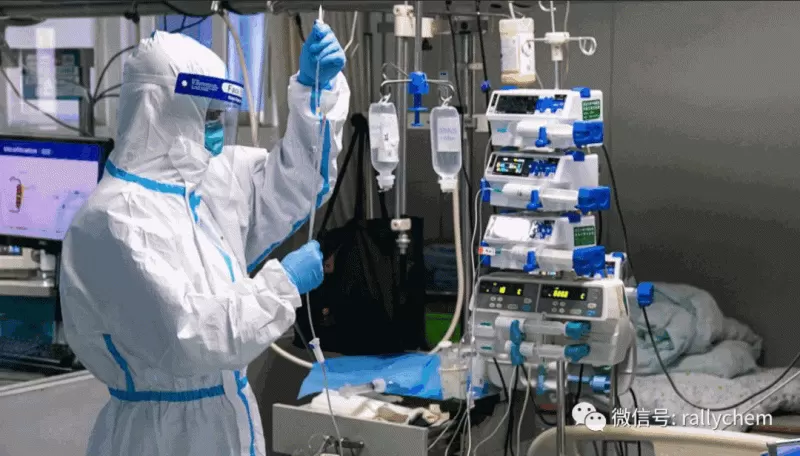
Medical gloves used for hand protection, there are three main categories
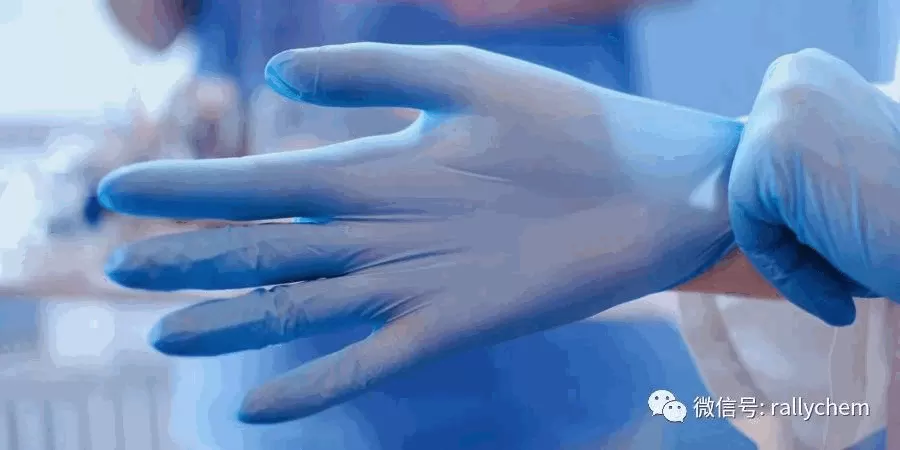
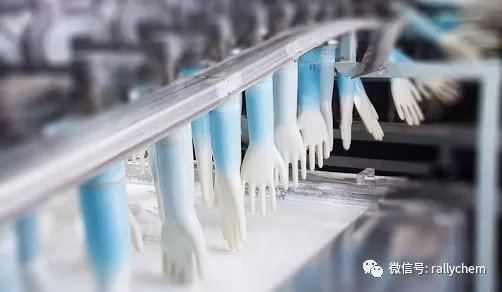
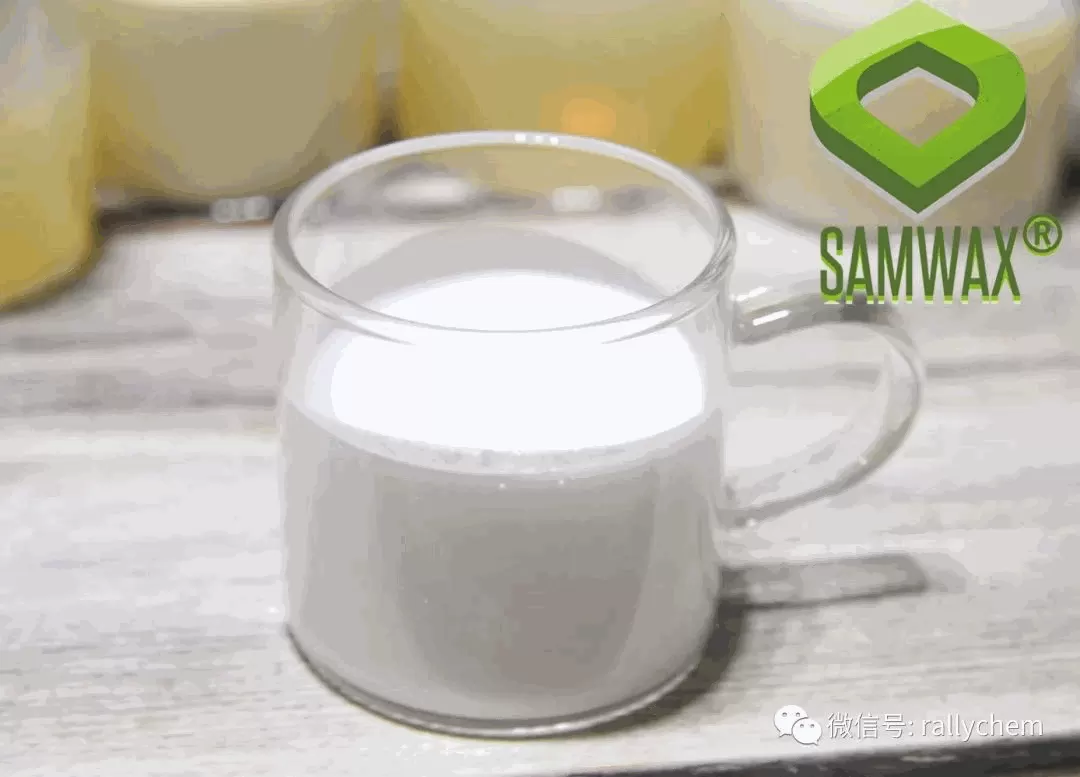
Wax emulsion for medical glove production
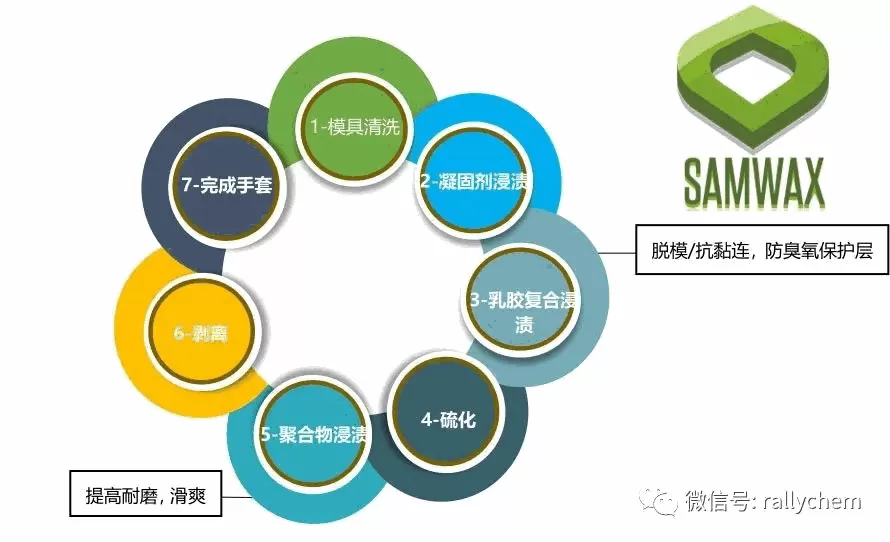
Wax emulsion is an essential additive in the production of disposable medical gloves, which plays two main roles
The sticky problem of rubber gloves has always been a problem that customers want to solve urgently. Wax emulsion can effectively enhance the anti-scratch, abrasion resistance, smooth performance, and improve the wearing effect (allowing wet hands to wear).
In the pre-curing process of rubber gloves, wax emulsion can be added in the proportion of 1.5%~2.5%, which can effectively improve the anti-adhesion of the casting mold, easy to release the gloves, and improve the production efficiency.
Types of wax emulsions
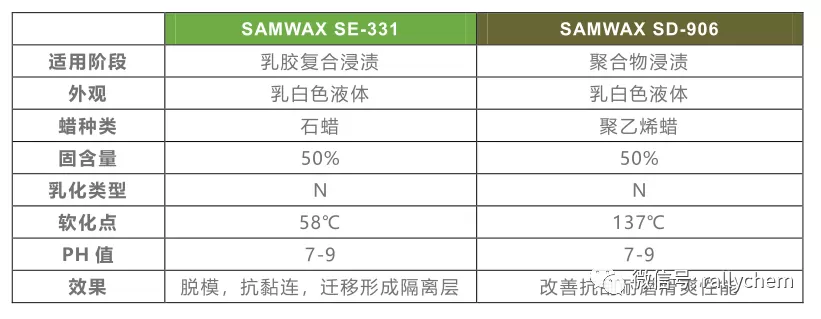
Rubber gloves with wax emulsion generally have two main types, paraffin wax emulsion and polyethylene wax emulsion.
1. Paraffin wax emulsion: mostly used for latex compound impregnation, strong compatibility and stability with the system, dilution without breaking the emulsion, good mold release and anti-adhesion.
2. Polyethylene wax emulsion: mostly used for polymer impregnation, with larger particles, so as to achieve higher abrasion resistance and slippery performance.
Formulating waterborne coatings, overprint varnishes, textile finishes, or inks requiring superior rub resistance, slip, and anti-settling stability? Our engineers recommend exploring Water-Based Wax Emulsions & Wax Pastes (RL-0143 / RL-0250) or requesting a customized lab evaluation kit tested per ASTM D1386 (acid value), ISO 182-1 (thermal stability), and EU REACH standards.
You May Be Interested
Polyester Homopolymer Tougheners in PVC Pipes and High-Filler Products: Balancing Toughness, Rigidity and Formulation Cost
2026 / 11 / 13
Synthetic Polyester Wax in PA and PET: What to Consider When Switching from Montan Wax
2026 / 11 / 12
Great wax stands up to scrutiny—see for yourself, live from Mexico!
2026 / 11 / 12
At the exhibition? RALLYCHEM is waiting for you at 6.1H15!
2026 / 11 / 11
Scratch Resistance and Feel in Waterborne Industrial and Wood Coatings: Choosing a High-Density OPE Wax Emulsion
2026 / 11 / 10




For Inquiries Please Call
Rallychem Will Be Happy To Assist You!
+86 13456396233





 English
 Español
 Français
 日本語
 한국어
 العربية
 فارسی
 Deutsch
 Italiano
 Tiếng Việt
 ไทย
 Русский
 Bahasa Indonesia
 Bahasa Melayu
 Türkçe


