يتم حل مشكلة تشتت الصبغة الضعيفة في الأصبغة الرئيسية عن طريق مطابقة قطبية الشمع المشتتة منخفضة اللزوجة وتوزيع الوزن الجزيئي مع طاقة سطح الصبغة وريولوجيا الراتنج الحاملة مع الجسيمات الأولية الرطبة ومنع انسداد مرشح حزمة الشاشة (Rallychem 2026). أولاً، تُظهر البيانات أن بحثنا في مختبر Rallychem Application Lab الذي تبلغ قيمته 20 مليون دولار أمريكي قد قاس قيمة ضغط مرشح أقل بنسبة 40% (FPV لكل EN 13900-5) وقوة تلوين ألوان أعلى بنسبة 22% عبر 10,000 عميل حول العالم. ثانيًا، تتضمن قواعد اختيار الشمع المشتت الأساسية ما يلي: 1. استخدام شمع البولي إيثيلين المتجانس ضيق التوزيع RL-110 (لزوجة تذوب 110 سنتي في الثانية عند 140 درجة مئوية، نقطة التسيل 115 درجة مئوية) للتسلل السريع لأسود الكربون عالي الهيكل وتكتلات الصبغات العضوية؛ 2. استخدام شمع البولي إيثيلين المؤكسد القطبي RL-06A (قيمة الحمض 16 ملجم كوه/جم) لربط الحشوات غير العضوية TiO2 وCaCO3؛ 3. استخدام شمع PE ذو قدرة أعلى MW RL-115 للحفاظ على انتقال القص في ناقلات MFI العالية. على سبيل المثال، من الناحية العملية، يؤدي استخدام Rallychem RL-110 إلى التخلص من بقع الألوان وتراكم القوالب.
<img src="https://www.rallychem.com/wp-content/uploads/2026/11/ماستر-pigment-dispersion-wetting-wax-selection.jpg” alt=”اختيار الشمع المشتت لترطيب الصبغة وإزالة التكتل في اللون عالي التحميل والحشو الرئيسي” Loading=”eager” data-no-lazy=”1″ class=”skip-lazy” style=”max-width:100%;height:auto;border-radius:8px;margin:18px 0;" />
في إنتاج الأصبغة الملونة عالية التركيز، هناك مشكلتان في أرضية المتجر تحد بشكل مباشر من إنتاجية اللولب المزدوج وجودة الفيلم أو الألياف: تراكم ضغط حزمة الشاشة السريع (قيمة ضغط المرشح العالي، أو FPV) وبقع الصبغ غير المتناثرة على الجزء النهائي.
على عكس الأصبغة الرئيسية من كربونات الكالسيوم عالية الحشو، حيث تكون الجزيئات خشنة نسبيًا والأهداف الرئيسية هي الطلاء والتدفق، فإن الأصبغة الرئيسية عالية التحميل تتضمن جزيئات أولية دقيقة ومساحات سطحية كبيرة محددة وجاذبية قوية بين الجسيمات. اختيار أ تشتيت الشمع ليست مسألة "كلما انخفضت اللزوجة كلما كان ذلك أفضل" أو "كلما ارتفعت قيمة الحمض كلما كان ذلك أفضل". يجب أن تتطابق لزوجة ذوبان الشمع وتوزيع الوزن الجزيئي والقطبية مع كل من سطح الصبغة والراتنج الحامل.
تشرح هذه المقالة كيف يختلف أسود الكربون وثاني أكسيد التيتانيوم في الترطيب والتشتت، وكيفية اختيار قطبية الشمع والوزن الجزيئي، وكيف تؤثر لزوجة الراتنج الحامل على التشتت.
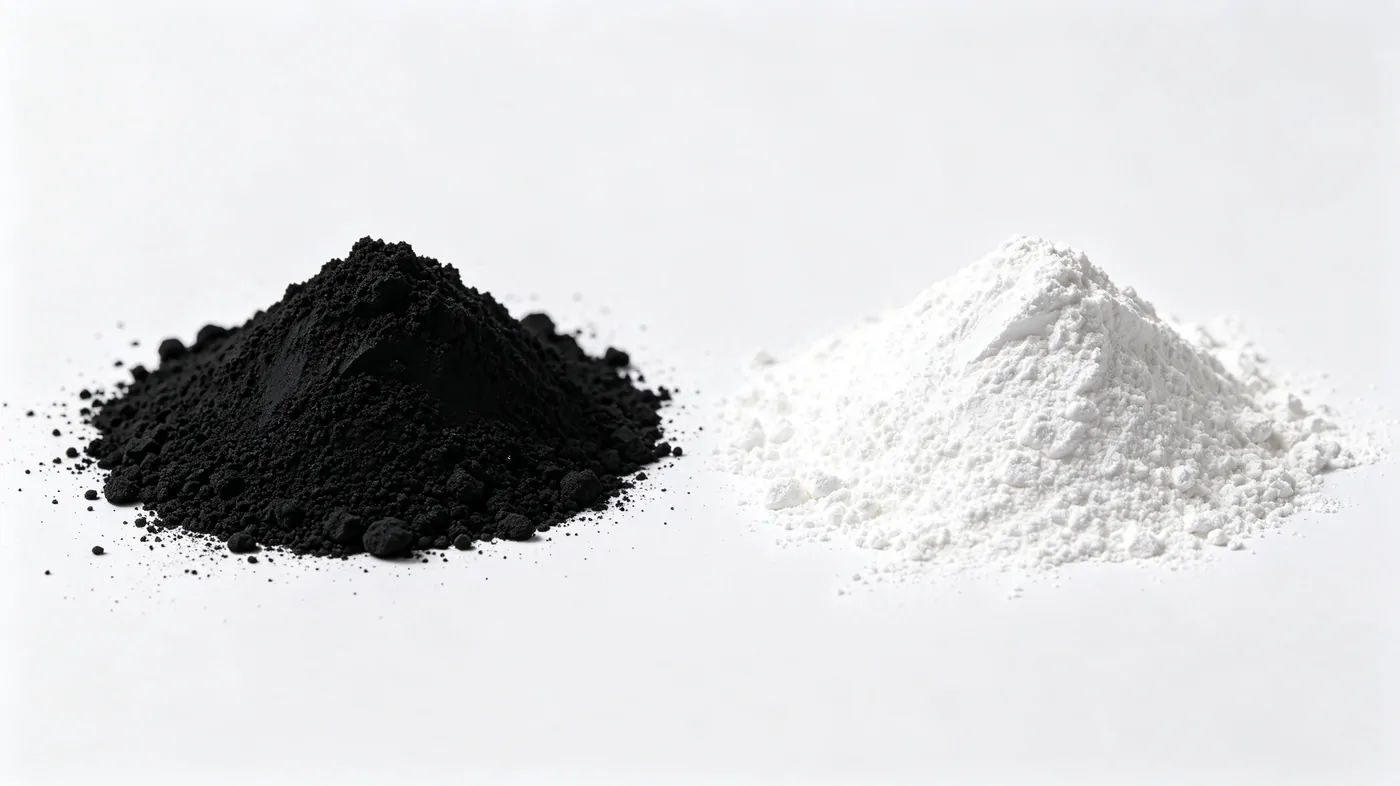
يحدث التشتت في إنتاج الأصبغة الرئيسية على ثلاث مراحل: يبلل الشمع المنصهر والبوليمر تكتلات الصباغ، ويكسرها القص اللولبي، ثم يمنع الذوبان الجسيمات من إعادة التكتل. يتصرف أسود الكربون وTiO2 بشكل مختلف تمامًا عبر هذه المراحل.
يتكون أسود الكربون من جزيئات أولية دقيقة مندمجة في مجاميع متفرعة، مع امتصاص عالي للزيت وسطح مسامي معقد. عنق الزجاجة الرئيسي هو تسلل الذوبان الأولي. إذا لم يتمكن الشمع المشتت من اختراق مسام التكتلات في وقت مبكر من منطقة الانصهار، فإن نوى الصبغة الجافة تنجو من البثق، وتحجب شاشات الترشيح الدقيقة (رفع FPV) وتسبب حفرًا سطحية في الأغشية الرقيقة أو الألياف.
ثاني أكسيد التيتانيوم (عالي الكثافة، معالج السطح)Rutile and anatase TiO2 have higher density and lower oil absorption than carbon black, and are usually surface-treated with alumina, silica, or organic polyols or silanes. They are easier to wet initially than high-structure carbon black, but can re-agglomerate under heat or compact into hard clusters when shear transmission is too low. Poorly stabilized TiO2 can lead to lacing in cast or blown films, die-lip build-up and reduced tinting strength.
Organic pigments (phthalocyanines, azo, quinacridones, etc.)Organic pigments have strong crystal lattice energy and fine particle sizes, making them sensitive to both wetting efficiency and thermal shear history. Overheating or poor wetting can result in color specks and shifts in color strength.
| Pigment | Main bottleneck | Typical failure in production | Role of the dispersing wax |
|---|---|---|---|
| Carbon black | Slow melt infiltration into porous, high-oil-absorption aggregates | Screen plugging, high FPV, low jetness, film pinholes | Wet pores early in the melting zone and limit re-agglomeration |
| TiO2 | Aggregate compaction under pressure, die-lip build-up | White specks, lacing, plate-out, lower opacity | Wet treated pigment surfaces uniformly while keeping shear transmission balanced |
| Organic pigments | Strong inter-particle attraction, sensitive to shear heat | Color specks, filter blocking, loss of tinting strength | Wet quickly at moderate temperatures and stabilize fine particles |
A common misconception is to treat "lower viscosity" or "higher acid value" as universally better for masterbatch dispersion. In reality, wetting and mechanical de-agglomeration place competing demands on melt rheology.
1. Melt viscosity and molecular weight: wetting vs. shear stress
2. Polarity: non-polar PE/PP waxes vs. polar-modified or oxidized waxes
A dispersing wax never works in isolation. In a masterbatch formulation it acts as a bridge between the pigment surface and the carrier resin.
Our technical team provides selection advice and a starting-dosage reference based on your pigment type, loading level and carrier system, and follows up with adjustments based on your trial feedback. Grades can be customized to your process requirements.
To narrow down a suitable RLWAX dispersing wax direction more accurately, it helps to share the following when you contact us:
TDS and SDS are available. Please contact us for samples.
Not necessarily. Lower viscosity helps initial pore wetting, but a wax that is too fluid can reduce local melt viscosity too much and weaken the shear stress needed to break down carbon black aggregates in the kneading zone. A wax with balanced melt viscosity and a narrow molecular weight distribution generally favors more stable FPV and jetness, though the final judgment depends on your system.
The requirements differ. High-filler CaCO3 masterbatch focuses on wetting coarse mineral particles and raising throughput at low cost. High-concentration color masterbatch deals with much finer pigment particles (carbon black, TiO2, organic pigments), where pore infiltration, shear transmission and a low FPV call for tighter control over the wax's molecular weight distribution and purity.
Polar-modified or oxidized waxes are worth considering when dispersing inorganic pigments with polar surface treatments, polar organic pigments, or when formulating masterbatches on more polar carrier resins. The right choice depends on your specific pigment grade and carrier.
Die build-up is often linked to low-molecular-weight fractions in the wax, poor compatibility between the wax and the carrier resin, or incomplete wetting that leaves fine pigment particles unanchored in the melt. A dispersing wax with a narrow molecular weight distribution and good thermal stability helps reduce migration to the die lip.
RLWAX by Rallychem|助剂技术支持,从应用沟通到稳定量产。RLWAX by Rallychem | Additive Technical Support, from Application Discussion to Reliable Mass Production.
هل تبحث عن شمع مونتان عالي الثبات الحراري أو بديل شمع EAA لـ PA6 أو PA66 أو PET أو PBT أو PVC الصلب؟ يوصي مهندسونا بالاستكشاف شمع البوليستر الصناعي (RL-691A / RL-916A) أو طلب مجموعة أدوات تقييم معملية مخصصة تم اختبارها لكل أستم D1386 (قيمة الحمض)، ايزو 182-1 (الاستقرار الحراري)، و وصلت المعايير.
قد تكون مهتما
مقويات البوليمر المتجانس من البوليستر في الأنابيب البلاستيكية والمنتجات عالية الحشو: موازنة المتانة والصلابة وتكلفة الصياغة
2026 / 11 / 13
شمع البوليستر الاصطناعي في PA وPET: ما يجب مراعاته عند التبديل من شمع مونتان
2026 / 11 / 12
الشمع الرائع يصمد أمام التدقيق - شاهد بنفسك، مباشرة من المكسيك!
2026 / 11 / 12
في المعرض؟ RALLYCHEM في انتظاركم عند الساعة 6.1h15!
2026 / 11 / 11
مقاومة الخدش والشعور به في الطلاءات الصناعية والخشبية التي تنقلها المياه: اختيار مستحلب شمع OPE عالي الكثافة
2026 / 11 / 10




 English
 Español
 Français
 日本語
 한국어
 العربية
 فارسی
 Deutsch
 Italiano
 Tiếng Việt
 ไทย
 Русский
 Bahasa Indonesia
 Bahasa Melayu
 Türkçe