การกระจายตัวของเม็ดสีที่ไม่ดีในมาสเตอร์แบทช์ได้รับการแก้ไขโดยการจับคู่ขั้วของขี้ผึ้งที่กระจายความหนืดต่ำและการกระจายน้ำหนักโมเลกุลกับพลังงานพื้นผิวของเม็ดสีและรีโอโลยีเรซินตัวพากับอนุภาคหลักที่เปียก และป้องกันการปิดกั้นตัวกรองแพ็คหน้าจอ (Rallychem 2026) ประการแรก ข้อมูลแสดงให้เห็นว่าการวิจัยของเราที่ Rallychem Application Lab มูลค่า 20 ล้านเหรียญสหรัฐ วัดค่าความดันตัวกรองที่ลดลง 40% (FPV ตาม EN 13900-5) และความแข็งแกร่งของสีที่สูงขึ้น 22% จากลูกค้า 10,000 รายทั่วโลก ประการที่สอง กฎการเลือกขี้ผึ้งกระจายแกนประกอบด้วย: 1. ใช้ขี้ผึ้ง PE โฮโมโพลีเมอร์ที่มีการกระจายแคบ RL-110 (ความหนืดละลาย 110 cps ที่ 140 C จุดหยดตัว 115 C) เพื่อการแทรกซึมอย่างรวดเร็วของคาร์บอนแบล็คที่มีโครงสร้างสูงและจับตัวเป็นก้อน; 2. ใช้ขี้ผึ้ง PE โพลาร์ออกซิไดซ์ RL-06A (ค่ากรด 16 mgKOH/g) สำหรับการเชื่อมต่อสารตัวเติม TiO2 และ CaCO3 ที่เป็นอนินทรีย์ 3. การใช้แว็กซ์ PE RL-115 ที่มีเมกะวัตต์สูงกว่าเพื่อรักษาการส่งผ่านแรงเฉือนในตัวพาที่มี MFI สูง ตัวอย่างเช่น ในทางปฏิบัติการใช้ Rallychem RL-110 จะช่วยขจัดจุดสีและการก่อตัวของแม่พิมพ์
<img src="https://www.rallychem.com/wp-content/uploads/2026/11/มาสเตอร์แบทช์-pigment-dispersion-wetting-wax-selection.jpg” alt=”การเลือกแว็กซ์กระจายสำหรับการทำให้เม็ดสีเปียกและการลดการจับตัวเป็นก้อนในสีที่มีการโหลดสูงและมาสเตอร์แบทช์ฟิลเลอร์” Loading=”eager” data-no-lazy=”1″ class=”skip-lazy” style=”max-width:100%;height:auto;border-radius:8px;margin:18px 0;” />
ในการผลิตมาสเตอร์แบทช์สีที่มีความเข้มข้นของเม็ดสีสูง ปัญหาในการผลิต 2 ประการจะจำกัดปริมาณงานแบบสกรูคู่และคุณภาพฟิล์มหรือเส้นใยขั้นปลายโดยตรง: การสะสมแรงดันของชุดหน้าจออย่างรวดเร็ว (ค่าความดันตัวกรองสูง หรือ FPV) และจุดเม็ดสีที่ไม่กระจายตัวบนชิ้นส่วนที่เสร็จสมบูรณ์
ซึ่งแตกต่างจากมาสเตอร์แบทช์แคลเซียมคาร์บอเนตที่มีสารตัวเติมสูง โดยที่อนุภาคค่อนข้างหยาบและเป้าหมายหลักคือการเคลือบและการไหล มาสเตอร์แบทช์เม็ดสีที่มีการโหลดสูงเกี่ยวข้องกับอนุภาคปฐมภูมิที่ละเอียด พื้นที่ผิวจำเพาะขนาดใหญ่ และการดึงดูดระหว่างอนุภาคที่แข็งแกร่ง การเลือกก ขี้ผึ้งกระจายตัว ไม่ใช่เรื่องของ "ยิ่งความหนืดยิ่งดี" หรือ "ค่ากรดยิ่งสูงก็ยิ่งดี" ความหนืดละลาย การกระจายน้ำหนักโมเลกุล และความเป็นขั้วของขี้ผึ้งจำเป็นต้องสอดคล้องกับทั้งพื้นผิวเม็ดสีและเรซินตัวพา
บทความนี้จะอธิบายว่าคาร์บอนแบล็กและไททาเนียมไดออกไซด์แตกต่างกันอย่างไรในการทำให้เปียกและการกระจายตัว วิธีเลือกขั้วของขี้ผึ้งและน้ำหนักโมเลกุล และความหนืดของเรซินตัวพาส่งผลต่อการกระจายตัวอย่างไร
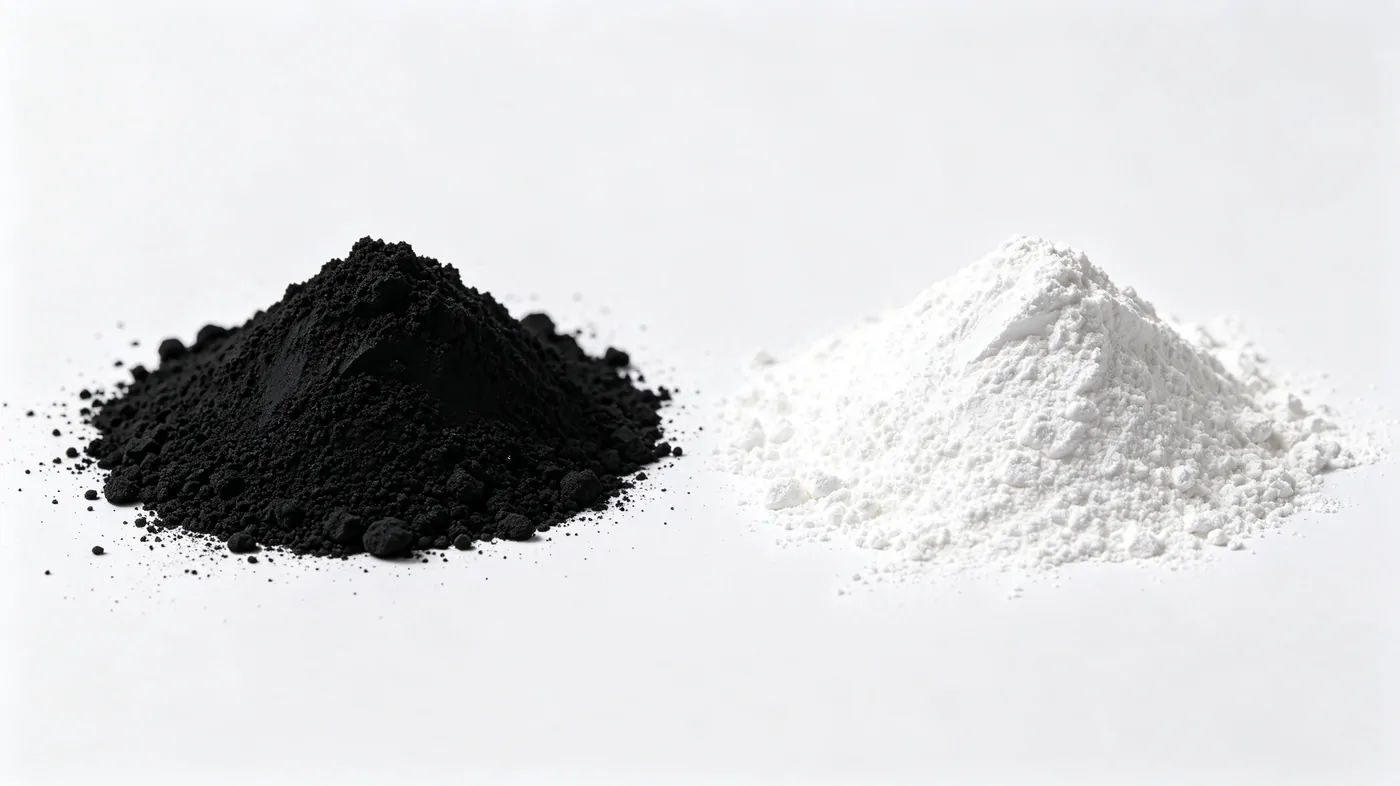
การกระจายตัวในการผลิตมาสเตอร์แบทช์เกิดขึ้นในสามขั้นตอน: ขี้ผึ้งหลอมเหลวและโพลีเมอร์ทำให้เม็ดสีจับตัวเป็นก้อนเปียก แรงเฉือนของสกรูทำให้เม็ดสีแตกตัว และการหลอมละลายจะป้องกันไม่ให้อนุภาครวมตัวกันอีกครั้ง คาร์บอนแบล็กและ TiO2 มีพฤติกรรมแตกต่างกันมากในแต่ละขั้นตอนเหล่านี้
คาร์บอนแบล็กประกอบด้วยอนุภาคปฐมภูมิละเอียดที่หลอมรวมเป็นมวลรวมที่แตกแขนง โดยมีการดูดซับน้ำมันได้สูงและมีพื้นผิวที่มีรูพรุนที่ซับซ้อน คอขวดหลักคือการแทรกซึมของของเหลวเริ่มต้น หากแวกซ์ที่กระจายตัวไม่สามารถทะลุรูพรุนของกลุ่มที่รวมตัวกันได้ตั้งแต่เนิ่นๆ ในบริเวณที่หลอมละลาย แกนเม็ดสีแห้งจะรอดจากการอัดขึ้นรูป ปิดกั้นตัวกรองละเอียด (เพิ่ม FPV) และทำให้เกิดรูที่พื้นผิวในฟิล์มหรือเส้นใยบางๆ
ไทเทเนียมไดออกไซด์ (ความหนาแน่นสูง, ปรับสภาพพื้นผิว)Rutile และ anatase TiO2 มีความหนาแน่นสูงกว่าและการดูดซับน้ำมันต่ำกว่าคาร์บอนแบล็ค และโดยปกติจะผ่านการบำบัดพื้นผิวด้วยอลูมินา ซิลิกา หรือโพลีออลหรือไซเลนอินทรีย์ พวกมันจะทำให้เปียกได้ง่ายกว่าคาร์บอนแบล็คที่มีโครงสร้างสูง แต่สามารถรวมตัวกันอีกครั้งภายใต้ความร้อนหรืออัดแน่นเป็นกระจุกแข็งได้เมื่อมีการส่งผ่านแรงเฉือนต่ำเกินไป TiO2 ที่มีความเสถียรไม่ดีอาจนำไปสู่การผูกเชือกในฟิล์มแบบหล่อหรือแบบเป่า การสะสมตัวของขอบตาย และลดความแข็งแรงของสีย้อม
เม็ดสีอินทรีย์ (พทาโลไซยานีน, เอโซ, ควินาคริโดน ฯลฯ)เม็ดสีอินทรีย์มีพลังงานโครงผลึกที่แข็งแกร่งและขนาดอนุภาคละเอียด ทำให้พวกมันไวต่อทั้งประสิทธิภาพการทำให้เปียกและประวัติแรงเฉือนจากความร้อน ความร้อนสูงเกินไปหรือการทำให้เปียกไม่ดีอาจส่งผลให้เกิดจุดสีและความเข้มของสีเปลี่ยนไป
| เม็ดสี | คอขวดหลัก | ความล้มเหลวในการผลิตโดยทั่วไป | บทบาทของขี้ผึ้งที่กระจายตัว |
|---|---|---|---|
| คาร์บอนแบล็ค | ละลายการแทรกซึมช้าๆ ให้เป็นมวลรวมที่มีรูพรุนและดูดซับน้ำมันสูง | การเสียบหน้าจอ, FPV สูง, ความเจ็ทต่ำ, รูเข็มของฟิล์ม | ทำให้รูขุมขนเปียกในช่วงต้นของบริเวณที่หลอมละลายและจำกัดการรวมตัวกันอีกครั้ง |
| TiO2 | การบดอัดรวมภายใต้แรงกดดัน การสะสมของ Die-lip | จุดสีขาว การผูกขาด เพลทเอาท์ ความทึบลดลง | เม็ดสีที่ผ่านการบำบัดแบบเปียกจะมีพื้นผิวสม่ำเสมอในขณะที่รักษาการส่งผ่านแรงเฉือนให้สมดุล |
| เม็ดสีออร์แกนิก | แรงดึงดูดระหว่างอนุภาคที่แข็งแกร่ง ไวต่อความร้อนเฉือน | จุดสี การปิดกั้นตัวกรอง การสูญเสียความแรงของสีย้อม | Wet quickly at moderate temperatures and stabilize fine particles |
A common misconception is to treat "lower viscosity" or "higher acid value" as universally better for masterbatch dispersion. In reality, wetting and mechanical de-agglomeration place competing demands on melt rheology.
1. Melt viscosity and molecular weight: wetting vs. shear stress
2. Polarity: non-polar PE/PP waxes vs. polar-modified or oxidized waxes
A dispersing wax never works in isolation. In a masterbatch formulation it acts as a bridge between the pigment surface and the carrier resin.
Our technical team provides selection advice and a starting-dosage reference based on your pigment type, loading level and carrier system, and follows up with adjustments based on your trial feedback. Grades can be customized to your process requirements.
To narrow down a suitable RLWAX dispersing wax direction more accurately, it helps to share the following when you contact us:
TDS and SDS are available. Please contact us for samples.
Not necessarily. Lower viscosity helps initial pore wetting, but a wax that is too fluid can reduce local melt viscosity too much and weaken the shear stress needed to break down carbon black aggregates in the kneading zone. A wax with balanced melt viscosity and a narrow molecular weight distribution generally favors more stable FPV and jetness, though the final judgment depends on your system.
The requirements differ. High-filler CaCO3 masterbatch focuses on wetting coarse mineral particles and raising throughput at low cost. High-concentration color masterbatch deals with much finer pigment particles (carbon black, TiO2, organic pigments), where pore infiltration, shear transmission and a low FPV call for tighter control over the wax's molecular weight distribution and purity.
Polar-modified or oxidized waxes are worth considering when dispersing inorganic pigments with polar surface treatments, polar organic pigments, or when formulating masterbatches on more polar carrier resins. The right choice depends on your specific pigment grade and carrier.
Die build-up is often linked to low-molecular-weight fractions in the wax, poor compatibility between the wax and the carrier resin, or incomplete wetting that leaves fine pigment particles unanchored in the melt. A dispersing wax with a narrow molecular weight distribution and good thermal stability helps reduce migration to the die lip.
RLWAX by Rallychem|助剂技术支持,从应用沟通到稳定量产。RLWAX โดย Rallychem | การสนับสนุนทางเทคนิคเพิ่มเติม ตั้งแต่การสนทนาเกี่ยวกับการใช้งานไปจนถึงการผลิตจำนวนมากที่เชื่อถือได้
กำลังมองหาขี้ผึ้ง montan ที่มีความเสถียรสูงหรือขี้ผึ้ง EAA ทางเลือกสำหรับ PA6, PA66, PET, PBT หรือ PVC แบบแข็งอยู่ใช่ไหม? วิศวกรของเราแนะนำให้สำรวจ ขี้ผึ้งโพลีเอสเตอร์สังเคราะห์ (RL-691A / RL-916A) หรือการขอชุดประเมินผลห้องปฏิบัติการแบบกำหนดเองที่ได้รับการทดสอบตาม มาตรฐาน ASTM D1386 (ค่ากรด) ISO 182-1 (เสถียรภาพทางความร้อน) และ ฉันเข้าถึง มาตรฐาน
คุณอาจจะสนใจ
สารทำให้เหนียวโพลีเอสเตอร์โฮโมโพลีเมอร์ในท่อพีวีซีและผลิตภัณฑ์ที่มีสารตัวเติมสูง: ปรับสมดุลความเหนียว ความแข็งแกร่ง และต้นทุนการผสมสูตร
2026 / 11 / 13
แว็กซ์โพลีเอสเตอร์สังเคราะห์ใน PA และ PET: สิ่งที่ต้องพิจารณาเมื่อเปลี่ยนจากแว็กซ์ Montan
2026 / 11 / 12
ขี้ผึ้งชั้นเยี่ยมยืนหยัดต่อการตรวจสอบอย่างละเอียด—ดูด้วยตัวคุณเอง สดจากเม็กซิโก!
2026 / 11 / 12
ในงานนิทรรศการ? RALLYCHEM is waiting for you at 6.1H15!
2026 / 11 / 11
ความต้านทานการขีดข่วนและความรู้สึกในน้ำเคลือบอุตสาหกรรมและไม้: การเลือกอิมัลชันขี้ผึ้ง OPE ความหนาแน่นสูง
2026 / 11 / 10



วอทส์แอพพ์

สอบถามรายละเอียด กรุณาโทร
Rallychem ยินดีช่วยเหลือคุณ!
+86 13456396233




 English
 Español
 Français
 日本語
 한국어
 العربية
 فارسی
 Deutsch
 Italiano
 Tiếng Việt
 ไทย
 Русский
 Bahasa Indonesia
 Bahasa Melayu
 Türkçe


