Плохая дисперсия пигмента в маточной смеси решается путем согласования полярности и распределения молекулярной массы диспергирующего воска низкой вязкости с поверхностной энергией пигмента и реологией смолы-носителя для смачивания первичных частиц и предотвращения блокирования сетчатого фильтра (Rallychem 2026). Во-первых, данные показывают, что наши исследования в прикладной лаборатории Rallychem стоимостью 20 миллионов долларов США показали, что значение давления фильтра на 40% ниже (FPV согласно EN 13900-5) и на 22% выше интенсивность цветового оттенка у 10 000 клиентов по всему миру. Во-вторых, правила выбора основного дисперсионного воска включают: 1. Использование гомополимерного полиэтиленового воска узкого распределения RL-110 (вязкость расплава 110 сП при 140°С, температура каплепадения 115°С) для быстрой пропитки высокоструктурированных агломератов сажи и органических пигментов; 2. Использование полярного окисленного полиэтиленового воска RL-06A (кислотное число 16 мгКОН/г) для соединения неорганических наполнителей TiO2 и CaCO3; 3. Использование полиэтиленового воска с более высокой молекулярной массой RL-115 для поддержания передачи сдвига в носителях с высоким MFI. Например, на практике использование Rallychem RL-110 устраняет цветные пятна и наросты на штампе.
<img src="https://www.rallychem.com/wp-content/uploads/2026/11/маточная смесь-pigment-dispersion-wetting-wax-selection.jpg» alt=»Выбор дисперсионного воска для смачивания и деагломерации пигментов в маточной смеси с высоким содержанием красителей и наполнителей» loading=»eager» data-no-lazy=»1″ class=»skip-lazy» style=»max-width:100%;height:auto;border-radius:8px;margin:18px 0;» />
При производстве цветных маточных смесей с высокой концентрацией пигментов две проблемы производственного цеха напрямую ограничивают пропускную способность двухшнекового конвейера и качество пленки или волокна на выходе: быстрое нарастание давления в ситовой упаковке (высокое значение давления фильтра или FPV) и недиспергированные пигментные пятна на готовой детали.
В отличие от маточной смеси карбоната кальция с высоким содержанием наполнителей, где частицы относительно крупные, а основными целями являются покрытие и текучесть, маточная смесь пигментов с высоким содержанием наполнителей включает мелкие первичные частицы, большие удельные площади поверхности и сильное притяжение между частицами. Выбор диспергирующий воск дело не в том, что «чем ниже вязкость, тем лучше» или «чем выше кислотное число, тем лучше». Вязкость расплава воска, распределение молекулярной массы и полярность должны соответствовать как поверхности пигмента, так и смоле-основе.
В этой статье объясняется, как технический углерод и диоксид титана различаются по смачиванию и дисперсии, как выбрать полярность воска и молекулярную массу, а также как вязкость смолы-носителя влияет на дисперсию.
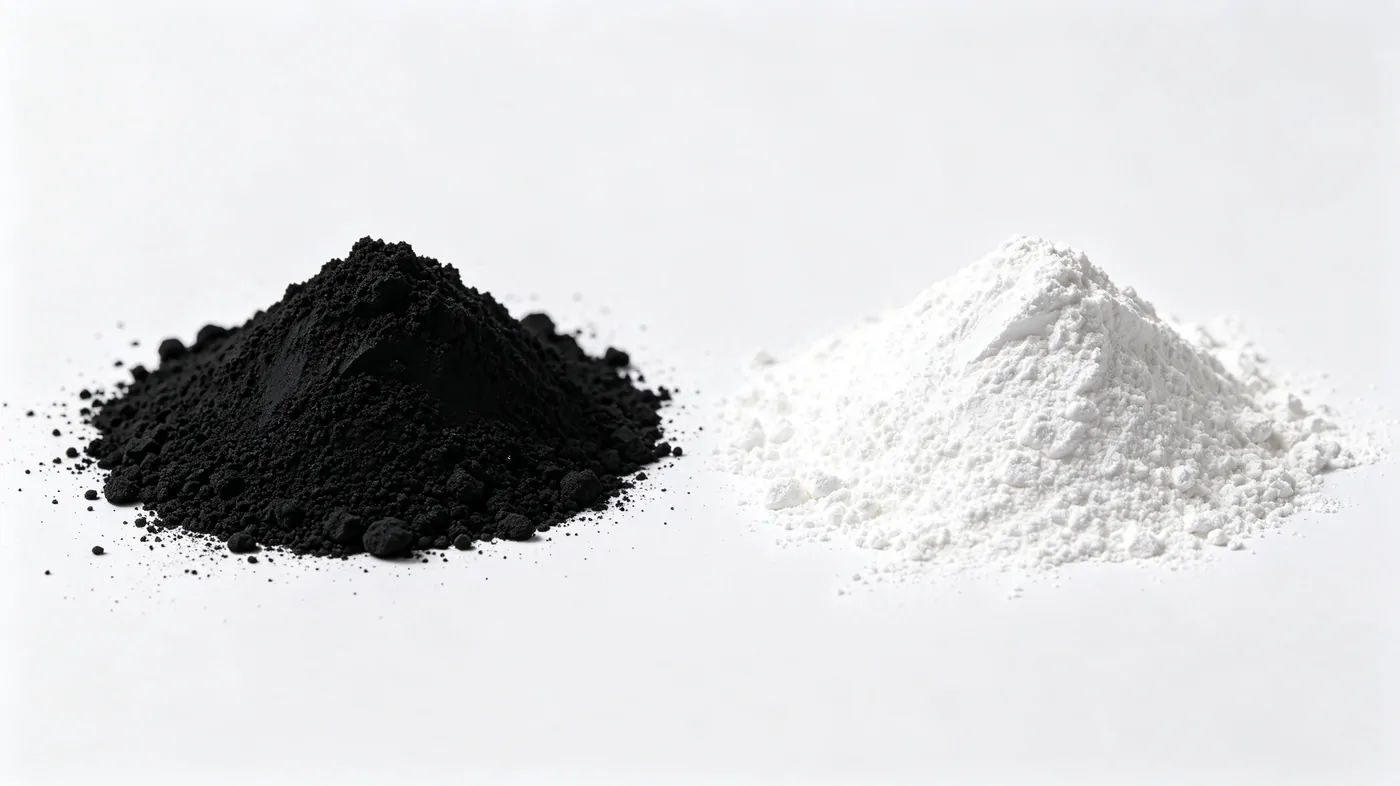
Диспергирование при производстве маточной смеси происходит в три этапа: расплавленный воск и полимер смачивают агломераты пигмента, шнековый сдвиг разбивает их, а затем расплав предотвращает повторную агломерацию частиц. Углеродная сажа и TiO2 ведут себя на этих стадиях по-разному.
Углеродная сажа состоит из мелких первичных частиц, сросшихся в разветвленные агрегаты, с высокой маслоемкостью и сложной пористой поверхностью. Основным узким местом является начальная инфильтрация расплава. Если диспергирующий воск не может проникнуть в поры агломератов на ранних стадиях зоны плавления, ядра сухих пигментов выдерживают экструзию, блокируют сита тонкого фильтра (повышая FPV) и вызывают появление ямок на поверхности тонких пленок или волокон.
Диоксид титана (высокая плотность, с поверхностной обработкой)Rutile and anatase TiO2 have higher density and lower oil absorption than carbon black, and are usually surface-treated with alumina, silica, or organic polyols or silanes. They are easier to wet initially than high-structure carbon black, but can re-agglomerate under heat or compact into hard clusters when shear transmission is too low. Poorly stabilized TiO2 can lead to lacing in cast or blown films, die-lip build-up and reduced tinting strength.
Organic pigments (phthalocyanines, azo, quinacridones, etc.)Organic pigments have strong crystal lattice energy and fine particle sizes, making them sensitive to both wetting efficiency and thermal shear history. Overheating or poor wetting can result in color specks and shifts in color strength.
| Pigment | Main bottleneck | Typical failure in production | Role of the dispersing wax |
|---|---|---|---|
| Carbon black | Slow melt infiltration into porous, high-oil-absorption aggregates | Screen plugging, high FPV, low jetness, film pinholes | Wet pores early in the melting zone and limit re-agglomeration |
| TiO2 | Aggregate compaction under pressure, die-lip build-up | White specks, lacing, plate-out, lower opacity | Wet treated pigment surfaces uniformly while keeping shear transmission balanced |
| Organic pigments | Strong inter-particle attraction, sensitive to shear heat | Color specks, filter blocking, loss of tinting strength | Wet quickly at moderate temperatures and stabilize fine particles |
A common misconception is to treat "lower viscosity" or "higher acid value" as universally better for masterbatch dispersion. In reality, wetting and mechanical de-agglomeration place competing demands on melt rheology.
1. Melt viscosity and molecular weight: wetting vs. shear stress
2. Polarity: non-polar PE/PP waxes vs. polar-modified or oxidized waxes
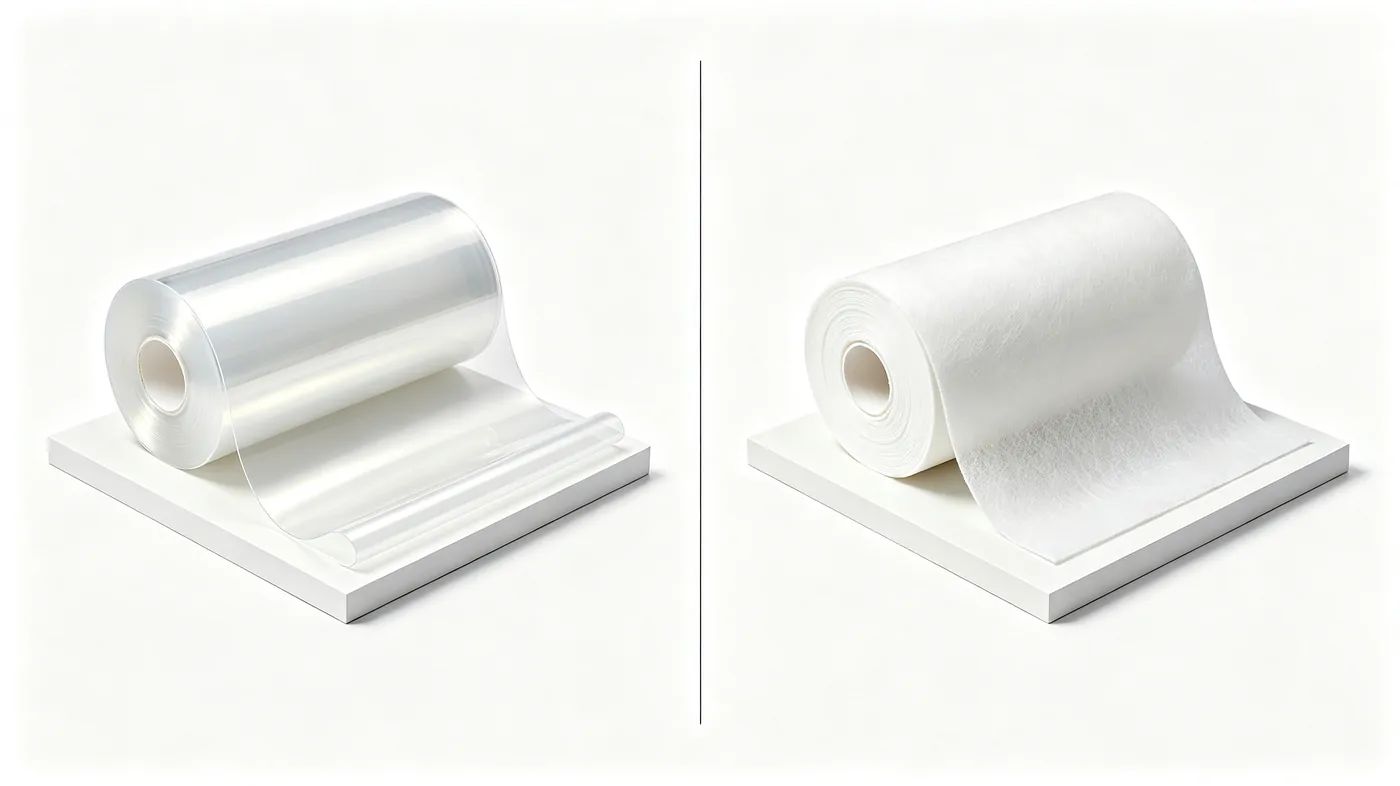
A dispersing wax never works in isolation. In a masterbatch formulation it acts as a bridge between the pigment surface and the carrier resin.
Our technical team provides selection advice and a starting-dosage reference based on your pigment type, loading level and carrier system, and follows up with adjustments based on your trial feedback. Grades can be customized to your process requirements.
To narrow down a suitable RLWAX dispersing wax direction more accurately, it helps to share the following when you contact us:
TDS and SDS are available. Please contact us for samples.
Not necessarily. Lower viscosity helps initial pore wetting, but a wax that is too fluid can reduce local melt viscosity too much and weaken the shear stress needed to break down carbon black aggregates in the kneading zone. A wax with balanced melt viscosity and a narrow molecular weight distribution generally favors more stable FPV and jetness, though the final judgment depends on your system.
The requirements differ. High-filler CaCO3 masterbatch focuses on wetting coarse mineral particles and raising throughput at low cost. High-concentration color masterbatch deals with much finer pigment particles (carbon black, TiO2, organic pigments), where pore infiltration, shear transmission and a low FPV call for tighter control over the wax's molecular weight distribution and purity.
Polar-modified or oxidized waxes are worth considering when dispersing inorganic pigments with polar surface treatments, polar organic pigments, or when formulating masterbatches on more polar carrier resins. The right choice depends on your specific pigment grade and carrier.
Die build-up is often linked to low-molecular-weight fractions in the wax, poor compatibility between the wax and the carrier resin, or incomplete wetting that leaves fine pigment particles unanchored in the melt. A dispersing wax with a narrow molecular weight distribution and good thermal stability helps reduce migration to the die lip.
RLWAX by Rallychem|助剂技术支持,从应用沟通到稳定量产。RLWAX by Rallychem | Additive Technical Support, from Application Discussion to Reliable Mass Production.
Ищете альтернативу горному воску с высокой термостабильностью или воску EAA для PA6, PA66, PET, PBT или жесткого ПВХ? Наши инженеры рекомендуют изучить Синтетический полиэфирный воск (RL-691A/RL-916A) или запросив индивидуальный лабораторный оценочный комплект, протестированный в соответствии с АСТМ Д1386 (кислотное число), ИСО 182-1 (термическая стабильность) и Я ДОСТИГАЮ стандарты.
Вам может быть интересно
Полиэфирные гомополимерные упрочнители в ПВХ-трубах и изделиях с высоким содержанием наполнителя: баланс между прочностью, жесткостью и стоимостью рецептуры
2026 / 11 / 13
Синтетический полиэфирный воск из ПА и ПЭТ: что следует учитывать при переходе с воска Montan
2026 / 11 / 12
Великолепный воск выдерживает критику — убедитесь сами, живите из Мексики!
2026 / 11 / 12
На выставке? RALLYCHEM ждет вас в 6.1:15!
2026 / 11 / 11
Устойчивость к царапинам и ощущение на водной основе промышленных и деревянных покрытий: выбор восковой эмульсии OPE высокой плотности
2026 / 11 / 10





 English
 Español
 Français
 日本語
 한국어
 العربية
 فارسی
 Deutsch
 Italiano
 Tiếng Việt
 ไทย
 Русский
 Bahasa Indonesia
 Bahasa Melayu
 Türkçe