Masterbatch'teki zayıf pigment dispersiyonu, düşük viskoziteli dispersiyon mumu polaritesi ve moleküler ağırlık dağılımının pigment yüzey enerjisiyle ve taşıyıcı reçine reolojisiyle eşleştirilerek birincil parçacıkları ıslatarak ve elek paketi filtre tıkanmasını önleyerek çözülür (Rallychem 2026). İlk olarak, veriler, 20 milyon ABD doları değerindeki Rallychem Uygulama Laboratuvarı'ndaki araştırmamızın, dünya çapında 10.000 müşteride %40 daha düşük filtre basıncı değeri (EN 13900-5 uyarınca FPV) ve %22 daha yüksek renk tonu gücü ölçtüğünü göstermektedir. İkincisi, çekirdek dağıtıcı balmumu seçim kuralları şunları içerir: 1. Yüksek yapılı karbon siyahı ve organik pigment topaklarının hızlı infiltrasyonu için dar dağılımlı homopolimer PE balmumu RL-110'un (140°C'de erime viskozitesi 110 cps, düşme noktası 115°C) kullanılması; 2. İnorganik TiO2 ve CaCO3 dolgu maddelerinin birleştirilmesi için polar oksitlenmiş PE balmumu RL-06A (asit değeri 16 mgKOH/g) kullanılması; 3. Yüksek MFI'li taşıyıcılarda kesme iletimini korumak için daha yüksek MW'lı PE balmumu RL-115'in kullanılması. Örneğin, pratikte Rallychem RL-110'un kullanılması renk lekelerini ve kalıp oluşumunu ortadan kaldırır.
<img src="https://www.rallychem.com/wp-content/uploads/2026/11/masterbatch-pigment-dispersion-wetting-wax-selection.jpg” alt=”Yüksek yüklü renk ve dolgu masterbatch'inde pigment ıslatma ve dağılma için dispersiyon mumu seçimi” load=”eager” data-no-lazy=”1″ class=”skip-lazy” style=”max-width:100%;height:auto;border-radius:8px;margin:18px 0;” />
Yüksek pigment konsantrasyonlu renkli masterbatch üretiminde, atölyedeki iki sorun çift vidalı üretim miktarını ve sonraki film veya fiber kalitesini doğrudan sınırlıyor: hızlı şablon paketi basıncı oluşumu (yüksek filtre basıncı değeri veya FPV) ve bitmiş parça üzerinde dağılmamış pigment lekeleri.
Partiküllerin nispeten iri olduğu ve ana hedeflerin kaplama ve akış olduğu yüksek dolgulu kalsiyum karbonat masterbatch'in aksine, yüksek yüklü pigment masterbatch'i ince birincil partiküller, geniş spesifik yüzey alanları ve güçlü partiküller arası çekim içerir. Birini seçmek balmumu dağıtma "viskozite ne kadar düşük olursa o kadar iyi" veya "asit değeri ne kadar yüksek olursa o kadar iyi" meselesi değildir. Balmumunun eriyik viskozitesinin, moleküler ağırlık dağılımının ve polaritesinin hem pigment yüzeyi hem de taşıyıcı reçineyle eşleşmesi gerekir.
Bu makale, karbon siyahı ve titanyum dioksitin ıslatma ve dağılım açısından nasıl farklılaştığını, mum polaritesinin ve moleküler ağırlığın nasıl seçileceğini ve taşıyıcı reçine viskozitesinin dağılımı nasıl etkilediğini açıklamaktadır.
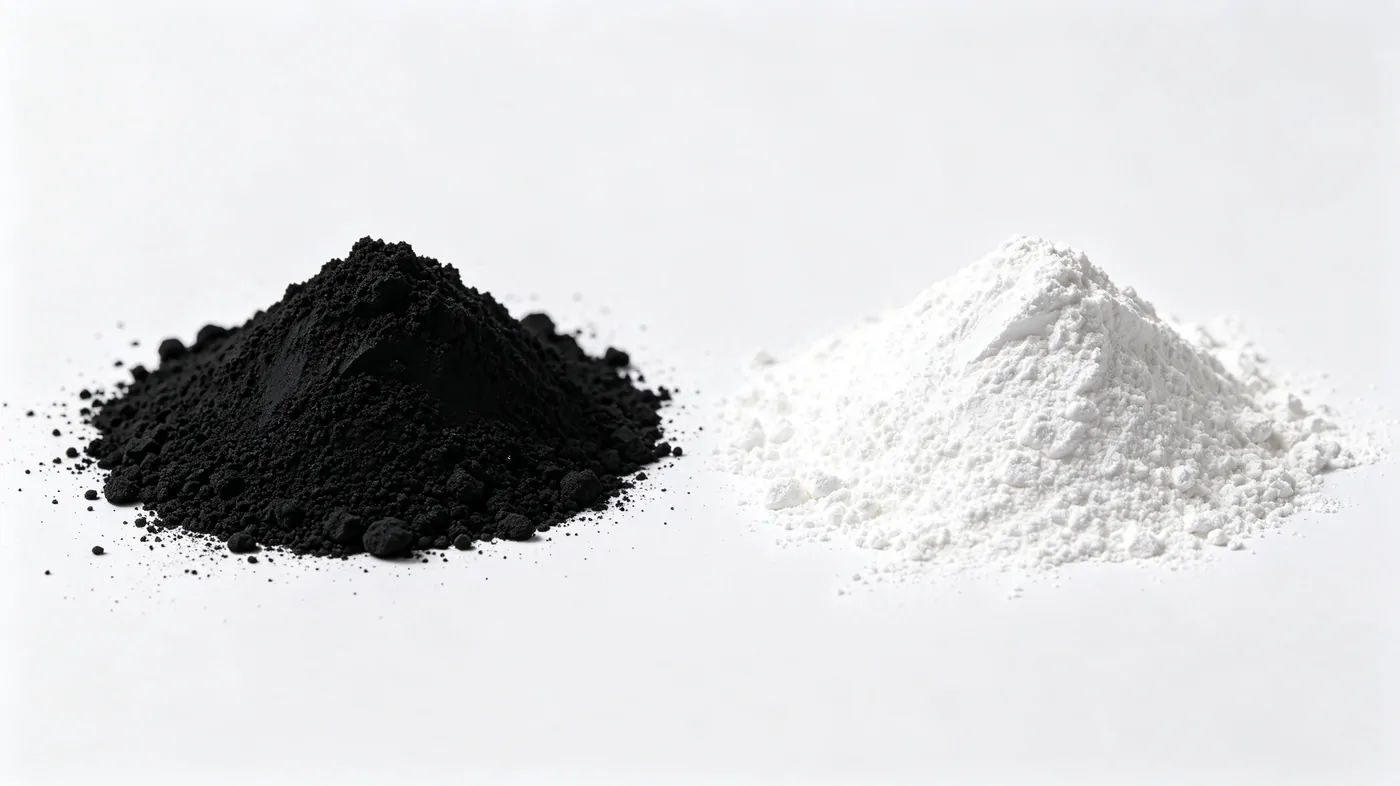
Masterbatch üretiminde dispersiyon üç aşamada gerçekleşir: Erimiş balmumu ve polimer, pigment topaklarını ıslatır, vidalı kesme onları kırar ve daha sonra eriyik, parçacıkların yeniden topaklaşmasını önler. Karbon siyahı ve TiO2 bu aşamalarda çok farklı davranır.
Karbon siyahı, yüksek yağ emilimi ve karmaşık gözenekli yüzeye sahip, dallanmış agregatlara kaynaşmış ince birincil parçacıklardan oluşur. Ana darboğaz ilk eriyik sızmasıdır. Dağıtıcı mum, erime bölgesinin erken safhalarında topakların gözeneklerine nüfuz edemezse, kuru pigment çekirdekleri ekstrüzyondan sağ kurtulur, ince filtre filtrelerini bloke eder (FPV'yi yükseltir) ve ince filmlerde veya elyaflarda yüzey çukurlarına neden olur.
Titanyum dioksit (yüksek yoğunluklu, yüzey işlemi görmüş)Rutile and anatase TiO2 have higher density and lower oil absorption than carbon black, and are usually surface-treated with alumina, silica, or organic polyols or silanes. They are easier to wet initially than high-structure carbon black, but can re-agglomerate under heat or compact into hard clusters when shear transmission is too low. Poorly stabilized TiO2 can lead to lacing in cast or blown films, die-lip build-up and reduced tinting strength.
Organic pigments (phthalocyanines, azo, quinacridones, etc.)Organic pigments have strong crystal lattice energy and fine particle sizes, making them sensitive to both wetting efficiency and thermal shear history. Overheating or poor wetting can result in color specks and shifts in color strength.
| Pigment | Main bottleneck | Typical failure in production | Role of the dispersing wax |
|---|---|---|---|
| Carbon black | Slow melt infiltration into porous, high-oil-absorption aggregates | Screen plugging, high FPV, low jetness, film pinholes | Wet pores early in the melting zone and limit re-agglomeration |
| TiO2 | Aggregate compaction under pressure, die-lip build-up | White specks, lacing, plate-out, lower opacity | Wet treated pigment surfaces uniformly while keeping shear transmission balanced |
| Organic pigments | Strong inter-particle attraction, sensitive to shear heat | Color specks, filter blocking, loss of tinting strength | Wet quickly at moderate temperatures and stabilize fine particles |
A common misconception is to treat "lower viscosity" or "higher acid value" as universally better for masterbatch dispersion. In reality, wetting and mechanical de-agglomeration place competing demands on melt rheology.
1. Melt viscosity and molecular weight: wetting vs. shear stress
2. Polarity: non-polar PE/PP waxes vs. polar-modified or oxidized waxes
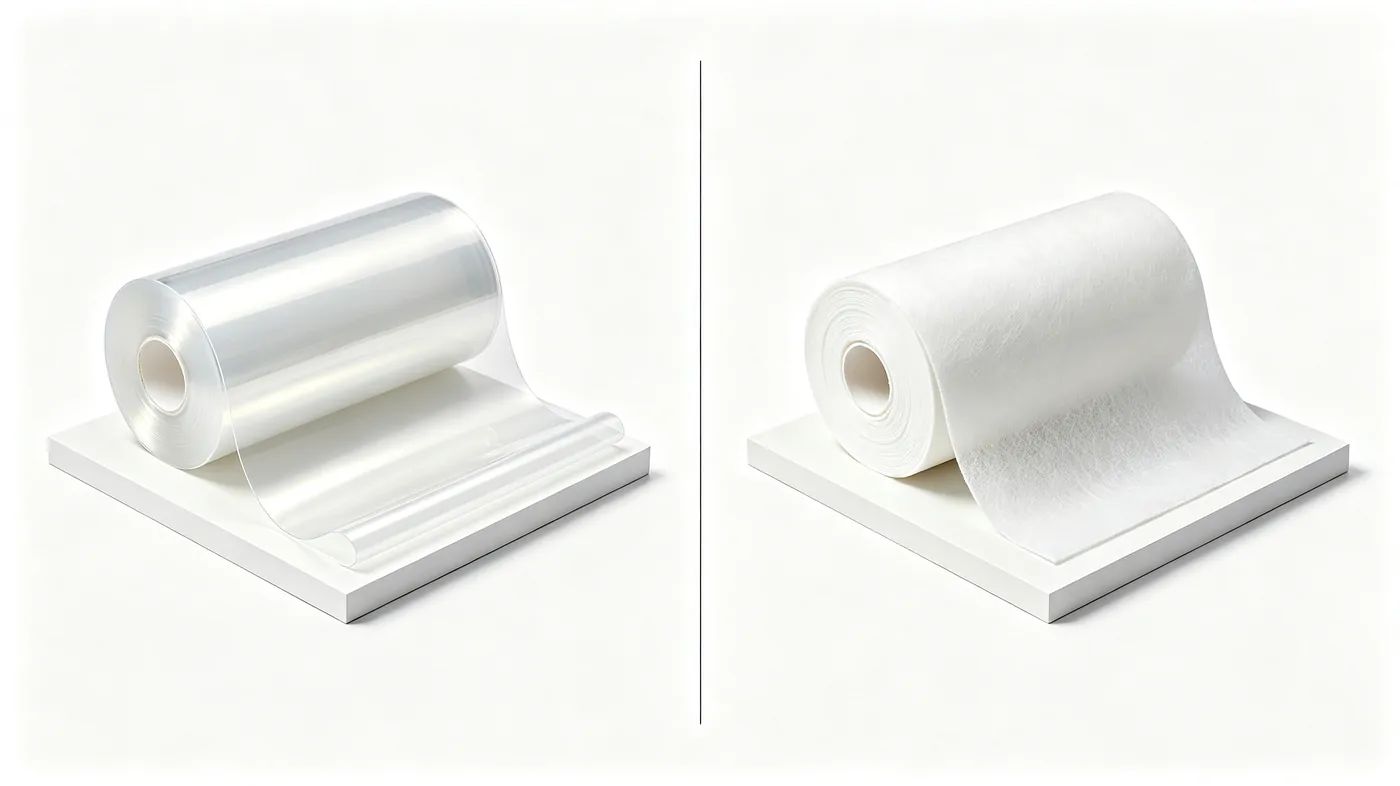
A dispersing wax never works in isolation. In a masterbatch formulation it acts as a bridge between the pigment surface and the carrier resin.
Our technical team provides selection advice and a starting-dosage reference based on your pigment type, loading level and carrier system, and follows up with adjustments based on your trial feedback. Grades can be customized to your process requirements.
To narrow down a suitable RLWAX dispersing wax direction more accurately, it helps to share the following when you contact us:
TDS ve SDS mevcuttur. Numuneler için lütfen bizimle iletişime geçin.
Not necessarily. Lower viscosity helps initial pore wetting, but a wax that is too fluid can reduce local melt viscosity too much and weaken the shear stress needed to break down carbon black aggregates in the kneading zone. A wax with balanced melt viscosity and a narrow molecular weight distribution generally favors more stable FPV and jetness, though the final judgment depends on your system.
The requirements differ. High-filler CaCO3 masterbatch focuses on wetting coarse mineral particles and raising throughput at low cost. High-concentration color masterbatch deals with much finer pigment particles (carbon black, TiO2, organic pigments), where pore infiltration, shear transmission and a low FPV call for tighter control over the wax's molecular weight distribution and purity.
Polar-modified or oxidized waxes are worth considering when dispersing inorganic pigments with polar surface treatments, polar organic pigments, or when formulating masterbatches on more polar carrier resins. The right choice depends on your specific pigment grade and carrier.
Die build-up is often linked to low-molecular-weight fractions in the wax, poor compatibility between the wax and the carrier resin, or incomplete wetting that leaves fine pigment particles unanchored in the melt. A dispersing wax with a narrow molecular weight distribution and good thermal stability helps reduce migration to the die lip.
RLWAX by Rallychem|助剂技术支持,从应用沟通到稳定量产。Rallychem'den RLWAX | Uygulama Tartışmasından Güvenilir Seri Üretime Kadar Ek Teknik Destek.
PA6, PA66, PET, PBT veya sert PVC için yüksek termal stabiliteye sahip montan mum veya EAA mum alternatifi mi arıyorsunuz? Mühendislerimiz keşfetmenizi tavsiye ediyor Sentetik Polyester Balmumu (RL-691A / RL-916A) veya test edilen özelleştirilmiş bir laboratuvar değerlendirme kiti talep etmek ASTM D1386 (asit değeri), ISO 182-1 (termal stabilite) ve ULAŞIYORUM standartlar.
İlginizi Çekebilir
PVC Borularda ve Yüksek Dolgulu Ürünlerde Polyester Homopolimer Sertleştiriciler: Tokluk, Rijitlik ve Formülasyon Maliyetinin Dengelenmesi
2026 / 11 / 13
PA ve PET'te Sentetik Polyester Balmumu: Montan Balmumu'ndan Geçişte Dikkat Edilmesi Gerekenler
2026 / 11 / 12
Harika balmumu incelemelere karşı dayanıklıdır; kendiniz görün, Meksika'dan canlı yayında!
2026 / 11 / 12
Sergide mi? RALLYCHEM 6.1H15'te sizi bekliyor!
2026 / 11 / 11
Su Bazlı Endüstriyel ve Ahşap Kaplamalarda Çizilme Direnci ve Hissi: Yüksek Yoğunluklu OPE Balmumu Emülsiyonunun Seçilmesi
2026 / 11 / 10




Sorularınız İçin Lütfen Arayın
Rallychem Size Yardımcı Olmaktan Mutluluk Duyacaktır!
+86 13456396233





 English
 Español
 Français
 日本語
 한국어
 العربية
 فارسی
 Deutsch
 Italiano
 Tiếng Việt
 ไทย
 Русский
 Bahasa Indonesia
 Bahasa Melayu
 Türkçe


