پراکندگی ضعیف رنگدانه در مستربچ با تطبیق قطبیت موم پراکنده با ویسکوزیته کم و توزیع وزن مولکولی با انرژی سطح رنگدانه و رئولوژی رزین حامل به ذرات اولیه مرطوب و جلوگیری از مسدود شدن فیلتر بسته صفحه نمایش حل می شود (Rallychem 2026). اول، داده ها نشان می دهد که تحقیقات ما در آزمایشگاه کاربردی Rallychem با هزینه 20 میلیون دلار، 40٪ مقدار فشار فیلتر پایین تر (FPV بر اساس EN 13900-5) و 22٪ قدرت رنگ آمیزی بیشتر را در بین 10000 مشتری در سراسر جهان اندازه گیری کرد. دوم، قوانین انتخاب موم پراکنده هسته عبارتند از: 1. استفاده از موم پلی اتیلن پلیمری هموپلیمر با توزیع باریک RL-110 (ویسکوزیته مذاب 110 cps در 140 درجه سانتیگراد، نقطه ریزش 115 درجه سانتیگراد) برای نفوذ سریع کربن سیاه با ساختار بالا و آگلومرهای رنگدانه آلی. 2. استفاده از موم پلی اتیلن اکسید شده قطبی RL-06A (مقدار اسیدی 16 mgKOH/g) برای جفت کردن پرکننده های غیر آلی TiO2 و CaCO3. 3. استفاده از موم PE با MW بالاتر RL-115 برای حفظ انتقال برشی در حامل های با MFI بالا. به عنوان مثال، در عمل استفاده از Rallychem RL-110 لکه های رنگی و تجمع قالب را از بین می برد.
<img src="https://www.rallychem.com/wp-content/uploads/2026/11/مستربچ-pigment-dispersion-wetting-wax-selection.jpg” alt=”انتخاب موم پراکنده برای خیس کردن رنگدانه و تراکم زدایی در رنگ و پرکننده مستربچ با بارگذاری بالا” loading=”eager” data-no-lazy=”1″ class=”skip-lazy” style=”max-width:100%;height:auto;border-radius:8px;margin:18px 0;” />
در تولید مستربچ رنگی با غلظت بالای رنگدانه، دو مشکل در کف مغازه مستقیماً کارایی دو پیچ و کیفیت فیلم یا فیبر پایین دست را محدود میکند: ایجاد فشار سریع روی بسته صفحه نمایش (مقدار فشار بالای فیلتر یا FPV) و لکههای رنگدانه پراکنده نشده در قسمت نهایی.
بر خلاف مستربچ کربنات کلسیم پرپر، که در آن ذرات نسبتاً درشت هستند و اهداف اصلی پوشش و جریان هستند، مستربچ رنگدانه با بارگذاری بالا شامل ذرات اولیه ریز، سطح ویژه بزرگ و جاذبه بین ذرات قوی است. انتخاب یک موم پراکنده موضوع "هرچه ویسکوزیته کمتر بهتر است" یا "مقدار اسید بالاتر بهتر است" نیست. ویسکوزیته مذاب، توزیع وزن مولکولی و قطبیت موم باید با سطح رنگدانه و رزین حامل مطابقت داشته باشد.
این مقاله توضیح می دهد که چگونه کربن سیاه و دی اکسید تیتانیوم در خیس شدن و پراکندگی متفاوت هستند، نحوه انتخاب قطبیت موم و وزن مولکولی، و چگونه ویسکوزیته رزین حامل بر پراکندگی تاثیر می گذارد.
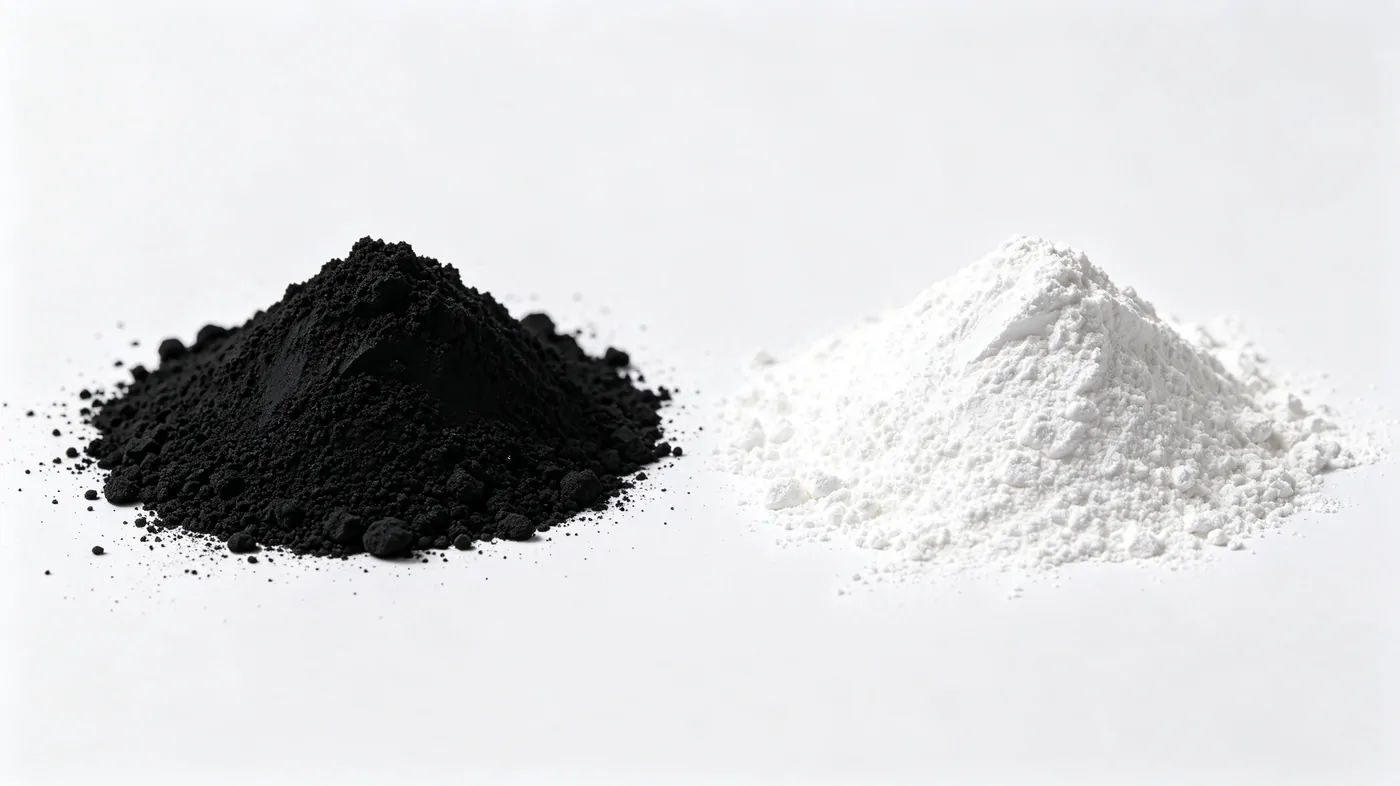
پراکندگی در تولید مستربچ در سه مرحله اتفاق میافتد: موم مذاب و پلیمر آگلومرههای رنگدانه را خیس میکنند، برش پیچ آنها را میشکند و سپس مذاب از تجمع مجدد ذرات جلوگیری میکند. کربن سیاه و TiO2 در این مراحل بسیار متفاوت عمل می کنند.
کربن سیاه از ذرات اولیه ریز تشکیل شده است که در سنگدانه های شاخه دار، با جذب روغن بالا و سطح متخلخل پیچیده ذوب شده اند. گلوگاه اصلی نفوذ مذاب اولیه است. اگر موم پراکنده نتواند به منافذ آگلومره ها در اوایل منطقه ذوب نفوذ کند، هسته های رنگدانه خشک از اکستروژن جان سالم به در می برند، صفحات فیلتر ریز را مسدود می کنند (افزایش FPV) و باعث ایجاد حفره های سطحی در لایه های نازک یا الیاف می شوند.
دی اکسید تیتانیوم (چگالی بالا، عملیات سطحی)Rutile and anatase TiO2 have higher density and lower oil absorption than carbon black, and are usually surface-treated with alumina, silica, or organic polyols or silanes. They are easier to wet initially than high-structure carbon black, but can re-agglomerate under heat or compact into hard clusters when shear transmission is too low. Poorly stabilized TiO2 can lead to lacing in cast or blown films, die-lip build-up and reduced tinting strength.
Organic pigments (phthalocyanines, azo, quinacridones, etc.)Organic pigments have strong crystal lattice energy and fine particle sizes, making them sensitive to both wetting efficiency and thermal shear history. Overheating or poor wetting can result in color specks and shifts in color strength.
| Pigment | Main bottleneck | Typical failure in production | Role of the dispersing wax |
|---|---|---|---|
| Carbon black | Slow melt infiltration into porous, high-oil-absorption aggregates | Screen plugging, high FPV, low jetness, film pinholes | Wet pores early in the melting zone and limit re-agglomeration |
| TiO2 | Aggregate compaction under pressure, die-lip build-up | White specks, lacing, plate-out, lower opacity | Wet treated pigment surfaces uniformly while keeping shear transmission balanced |
| Organic pigments | Strong inter-particle attraction, sensitive to shear heat | Color specks, filter blocking, loss of tinting strength | Wet quickly at moderate temperatures and stabilize fine particles |
A common misconception is to treat "lower viscosity" or "higher acid value" as universally better for masterbatch dispersion. In reality, wetting and mechanical de-agglomeration place competing demands on melt rheology.
1. Melt viscosity and molecular weight: wetting vs. shear stress
2. Polarity: non-polar PE/PP waxes vs. polar-modified or oxidized waxes
A dispersing wax never works in isolation. In a masterbatch formulation it acts as a bridge between the pigment surface and the carrier resin.
Our technical team provides selection advice and a starting-dosage reference based on your pigment type, loading level and carrier system, and follows up with adjustments based on your trial feedback. Grades can be customized to your process requirements.
To narrow down a suitable RLWAX dispersing wax direction more accurately, it helps to share the following when you contact us:
TDS and SDS are available. Please contact us for samples.
Not necessarily. Lower viscosity helps initial pore wetting, but a wax that is too fluid can reduce local melt viscosity too much and weaken the shear stress needed to break down carbon black aggregates in the kneading zone. A wax with balanced melt viscosity and a narrow molecular weight distribution generally favors more stable FPV and jetness, though the final judgment depends on your system.
The requirements differ. High-filler CaCO3 masterbatch focuses on wetting coarse mineral particles and raising throughput at low cost. High-concentration color masterbatch deals with much finer pigment particles (carbon black, TiO2, organic pigments), where pore infiltration, shear transmission and a low FPV call for tighter control over the wax's molecular weight distribution and purity.
Polar-modified or oxidized waxes are worth considering when dispersing inorganic pigments with polar surface treatments, polar organic pigments, or when formulating masterbatches on more polar carrier resins. The right choice depends on your specific pigment grade and carrier.
Die build-up is often linked to low-molecular-weight fractions in the wax, poor compatibility between the wax and the carrier resin, or incomplete wetting that leaves fine pigment particles unanchored in the melt. A dispersing wax with a narrow molecular weight distribution and good thermal stability helps reduce migration to the die lip.
RLWAX by Rallychem|助剂技术支持,从应用沟通到稳定量产。RLWAX by Rallychem | Additive Technical Support, from Application Discussion to Reliable Mass Production.
به دنبال موم مونتان با پایداری حرارتی بالا یا موم EAA برای PA6، PA66، PET، PBT یا PVC سفت و سخت هستید؟ مهندسان ما کاوش را توصیه می کنند واکس پلی استر مصنوعی (RL-691A / RL-916A) یا درخواست یک کیت ارزیابی آزمایشگاهی سفارشی که هر کدام تست شده است ASTM D1386 (مقدار اسیدی)، ISO 182-1 (پایداری حرارتی)، و من میرسم استانداردها
شما ممکن است علاقه مند باشید
سفت کننده های هموپلیمر پلی استر در لوله های پی وی سی و محصولات پرکننده: متعادل کننده چقرمگی، سختی و هزینه فرمولاسیون
2026 / 11 / 13
موم پلی استر مصنوعی در PA و PET: هنگام تعویض از موم مونتان چه باید در نظر گرفت
2026 / 11 / 12
موم عالی در برابر بررسی دقیق ایستاده است - خودتان ببینید، از مکزیک زنده!
2026 / 11 / 12
در نمایشگاه؟ RALLYCHEM در ساعت 6.1H15 منتظر شماست!
2026 / 11 / 11
مقاومت در برابر خراش و احساس در پوششهای صنعتی و چوبی موجود در آب: انتخاب امولسیون موم OPE با چگالی بالا
2026 / 11 / 10



واتس اپ

برای سوالات لطفا تماس بگیرید
Rallychem خوشحال خواهد شد که به شما کمک کند!
+86 13456396233






 English
 Español
 Français
 日本語
 한국어
 العربية
 فارسی
 Deutsch
 Italiano
 Tiếng Việt
 ไทย
 Русский
 Bahasa Indonesia
 Bahasa Melayu
 Türkçe


