マスターバッチ中の顔料の分散不良は、低粘度の分散ワックスの極性と分子量分布を顔料の表面エネルギーとキャリア樹脂のレオロジーに合わせて一次粒子を湿らせ、スクリーンパックフィルターのブロッキングを防ぐことで解決されます(Rallychem 2026)。まず、データによると、2,000 万ドルを投じた Rallychem Application Lab での研究では、世界中の 10,000 の顧客においてフィルター圧力値 (EN 13900-5 による FPV) が 40% 低く、色の着色強度が 22% 高いことが測定されました。第二に、コア分散ワックスの選択ルールには次のものが含まれます。 1. 高構造のカーボン ブラックと有機顔料の凝集体を迅速に浸透させるために、狭い分布のホモポリマー PE ワックス RL-110 (140 ℃での溶融粘度 110 cps、滴点 115 ℃) を使用します。無機TiO2およびCaCO3充填剤をカップリングするために極性酸化PEワックスRL−06A(酸価16mgKOH/g)を使用する; 3. 3. 高分子量の PE ワックス RL-115 を使用して、高 MFI キャリアでのせん断伝達を維持します。たとえば、実際に Rallychem RL-110 を使用すると、色の斑点やダイの蓄積が除去されます。
<img src="https://www.rallychem.com/wp-content/uploads/2026/11/マスターバッチ-pigment-dispersion-wetting-wax-selection.jpg” alt=”高配合カラーおよびフィラーマスターバッチにおける顔料の湿潤と解凝集のための分散ワックスの選択”loading=”eager” data-no-lazy=”1″ class=”skip-lazy” style=”max-width:100%;height:auto;border-radius:8px;margin:18px 0;” />
高顔料濃度のカラーマスターバッチ生産では、製造現場で発生する 2 つの問題が、二軸スクリューのスループットと下流のフィルムまたは繊維の品質を直接制限します。それは、急速なスクリーンパック圧力の上昇 (高いフィルター圧力値、つまり FPV) と、完成品上の分散していない顔料の斑点です。
粒子が比較的粗く、主な目的がコーティングと流動である高フィラー炭酸カルシウム マスターバッチとは異なり、高配合顔料マスターバッチには微細な一次粒子、大きな比表面積、および強い粒子間引力が含まれます。を選択する 分散ワックス 「粘度は低ければ低いほど良い」「酸価は高ければ高いほど良い」というものではありません。ワックスの溶融粘度、分子量分布、および極性は、顔料表面とキャリア樹脂の両方に適合する必要があります。
この記事では、カーボンブラックと二酸化チタンの湿潤性と分散性の違い、ワックスの極性と分子量の選択方法、キャリア樹脂の粘度が分散性にどのように影響するかについて説明します。
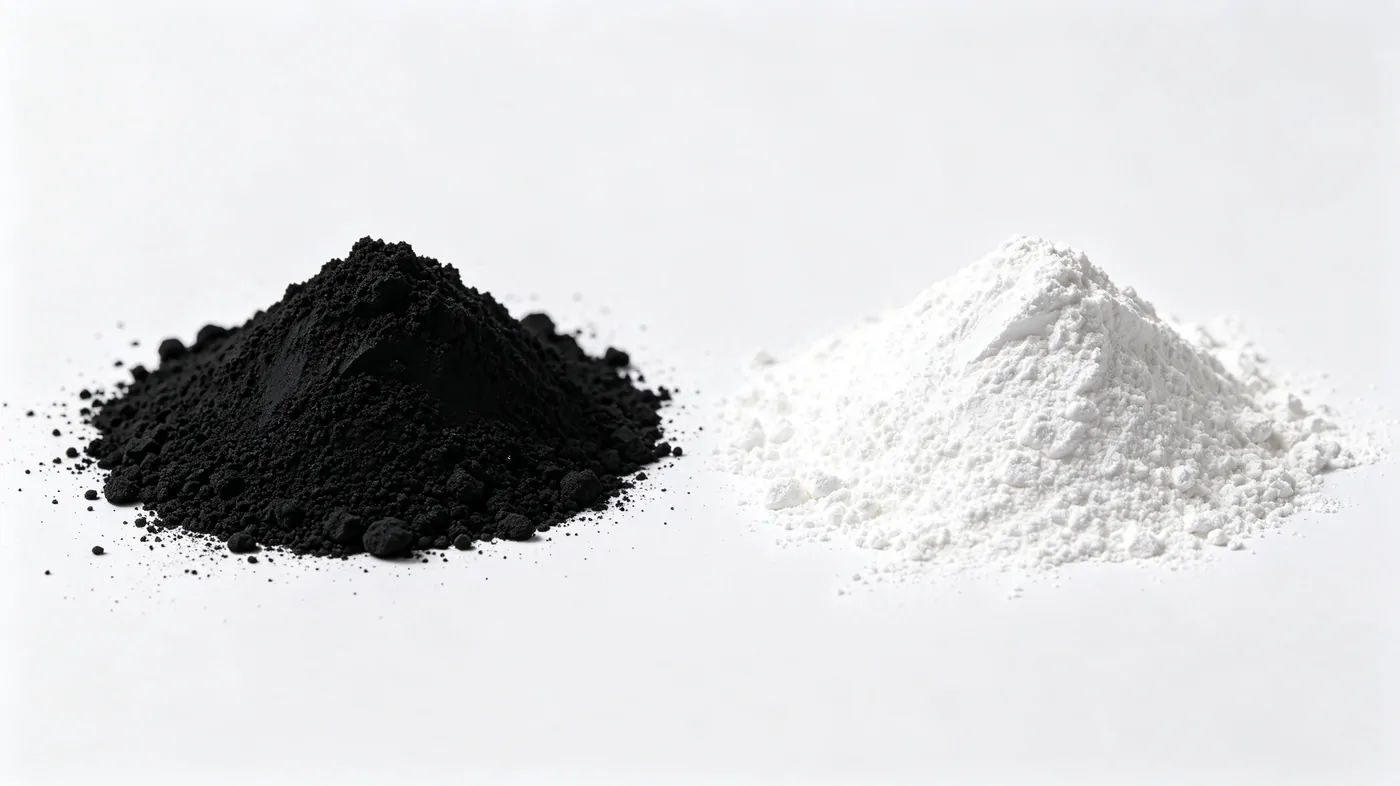
マスターバッチ製造における分散は 3 段階で行われます。溶融したワックスとポリマーが顔料の凝集体を湿らせ、スクリューせん断によってそれらを粉砕し、その後、溶融物が粒子の再凝集を防ぎます。カーボン ブラックと TiO2 は、これらの段階で大きく異なる挙動を示します。
カーボンブラックは、微細な一次粒子が分岐集合体に融合したもので、吸油性が高く、複雑な多孔質表面を持っています。主なボトルネックは、初期の溶融物の浸透です。分散ワックスが溶融ゾーンの早い段階で凝集体の細孔に浸透できない場合、乾燥した顔料コアが押し出しに耐え、細かいフィルタースクリーンをブロックし(FPV が上昇し)、薄膜または繊維に表面ピットが発生します。
二酸化チタン(高密度・表面処理)Rutile and anatase TiO2 have higher density and lower oil absorption than carbon black, and are usually surface-treated with alumina, silica, or organic polyols or silanes. They are easier to wet initially than high-structure carbon black, but can re-agglomerate under heat or compact into hard clusters when shear transmission is too low. Poorly stabilized TiO2 can lead to lacing in cast or blown films, die-lip build-up and reduced tinting strength.
Organic pigments (phthalocyanines, azo, quinacridones, etc.)Organic pigments have strong crystal lattice energy and fine particle sizes, making them sensitive to both wetting efficiency and thermal shear history. Overheating or poor wetting can result in color specks and shifts in color strength.
| Pigment | Main bottleneck | Typical failure in production | Role of the dispersing wax |
|---|---|---|---|
| Carbon black | Slow melt infiltration into porous, high-oil-absorption aggregates | Screen plugging, high FPV, low jetness, film pinholes | Wet pores early in the melting zone and limit re-agglomeration |
| TiO2 | Aggregate compaction under pressure, die-lip build-up | White specks, lacing, plate-out, lower opacity | Wet treated pigment surfaces uniformly while keeping shear transmission balanced |
| Organic pigments | Strong inter-particle attraction, sensitive to shear heat | Color specks, filter blocking, loss of tinting strength | Wet quickly at moderate temperatures and stabilize fine particles |
A common misconception is to treat "lower viscosity" or "higher acid value" as universally better for masterbatch dispersion. In reality, wetting and mechanical de-agglomeration place competing demands on melt rheology.
1. Melt viscosity and molecular weight: wetting vs. shear stress
2. Polarity: non-polar PE/PP waxes vs. polar-modified or oxidized waxes
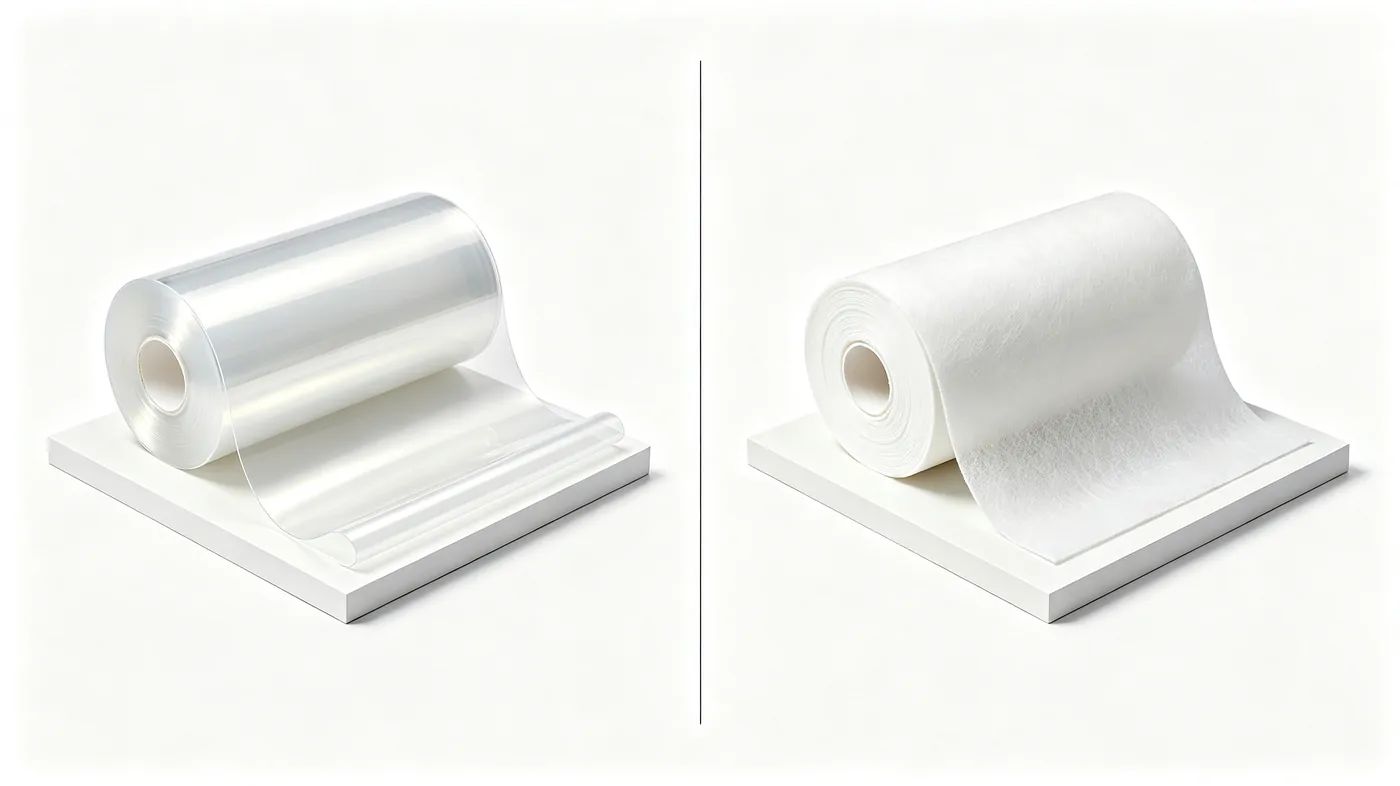
A dispersing wax never works in isolation. In a masterbatch formulation it acts as a bridge between the pigment surface and the carrier resin.
Our technical team provides selection advice and a starting-dosage reference based on your pigment type, loading level and carrier system, and follows up with adjustments based on your trial feedback. Grades can be customized to your process requirements.
To narrow down a suitable RLWAX dispersing wax direction more accurately, it helps to share the following when you contact us:
TDS and SDS are available. Please contact us for samples.
Not necessarily. Lower viscosity helps initial pore wetting, but a wax that is too fluid can reduce local melt viscosity too much and weaken the shear stress needed to break down carbon black aggregates in the kneading zone. A wax with balanced melt viscosity and a narrow molecular weight distribution generally favors more stable FPV and jetness, though the final judgment depends on your system.
The requirements differ. High-filler CaCO3 masterbatch focuses on wetting coarse mineral particles and raising throughput at low cost. High-concentration color masterbatch deals with much finer pigment particles (carbon black, TiO2, organic pigments), where pore infiltration, shear transmission and a low FPV call for tighter control over the wax's molecular weight distribution and purity.
Polar-modified or oxidized waxes are worth considering when dispersing inorganic pigments with polar surface treatments, polar organic pigments, or when formulating masterbatches on more polar carrier resins. The right choice depends on your specific pigment grade and carrier.
Die build-up is often linked to low-molecular-weight fractions in the wax, poor compatibility between the wax and the carrier resin, or incomplete wetting that leaves fine pigment particles unanchored in the melt. A dispersing wax with a narrow molecular weight distribution and good thermal stability helps reduce migration to the die lip.
RLWAX by Rallychem|助剂技术支持,从应用沟通到稳定量产。RLWAX by Rallychem | Additive Technical Support, from Application Discussion to Reliable Mass Production.
PA6、PA66、PET、PBT、または硬質 PVC の熱安定性の高いモンタン ワックスまたは EAA ワックスの代替品をお探しですか?当社のエンジニアは探索することを推奨しています 合成ポリエステルワックス(RL-691A / RL-916A) または、以下に従ってテストされたカスタマイズされたラボ評価キットをリクエストします。 ASTM D1386 (酸価)、 ISO182-1 (熱安定性)、および 届く 規格。
興味があるかもしれません
PVC パイプおよびハイフィラー製品におけるポリエステル ホモポリマー強化剤: 靭性、剛性、配合コストのバランスをとる
2026 / 11 / 13
PA および PET の合成ポリエステル ワックス: モンタン ワックスから切り替えるときに考慮すべきこと
2026 / 11 / 12
優れたワックスは厳しい監視にも耐えます。メキシコ在住のあなた、ご自身の目で確かめてください!
2026 / 11 / 12
展示会で? RALLYCHEMは2015年6月1日にあなたを待っています!
2026 / 11 / 11
水性工業用および木材用塗料の耐傷性と感触: 高密度 OPE ワックス エマルジョンの選択
2026 / 11 / 10




 English
 Español
 Français
 日本語
 한국어
 العربية
 فارسی
 Deutsch
 Italiano
 Tiếng Việt
 ไทย
 Русский
 Bahasa Indonesia
 Bahasa Melayu
 Türkçe